
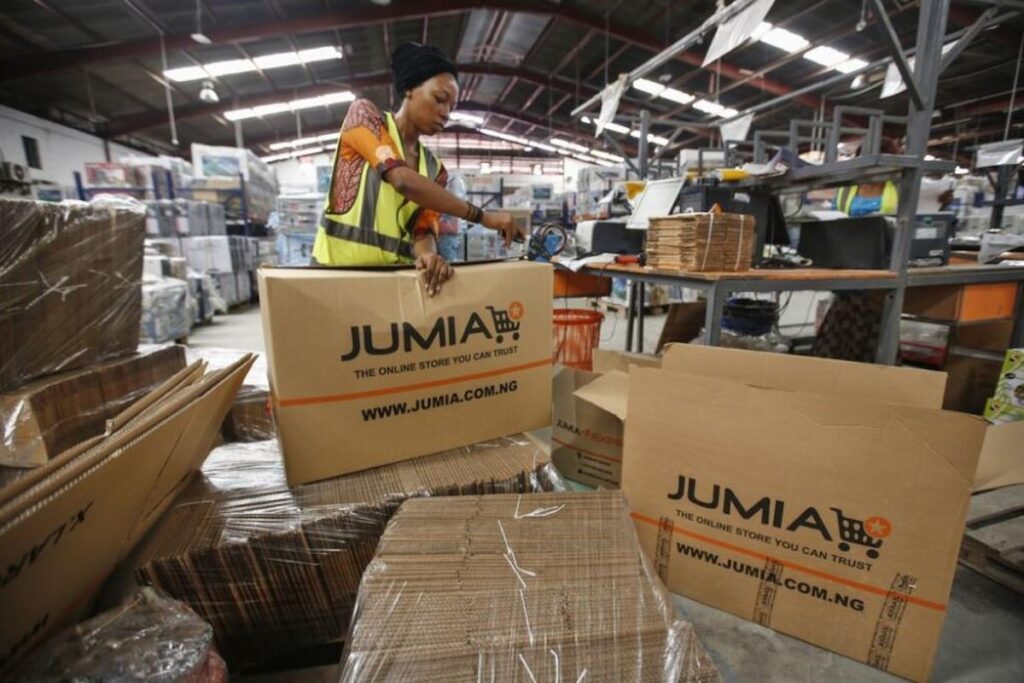
Africa, a continent of vibrant cultures, vast potential, and resilient people, is rapidly emerging as a global hub of innovation and opportunity. At the forefront of this transformation is Jumia, a Nigerian-founded e-commerce platform that has redefined online shopping across the continent since its launch in 2012. From its humble beginnings in Lagos to its expansion into 14 African countries, Jumia has become a symbol of African ingenuity, resilience, and ambition.
By connecting millions of consumers with over 100,000 sellers, offering innovative services like JumiaPay, and building a logistics network that rivals global giants, Jumia has not only transformed commerce but also showcased Africa’s ability to lead in the digital age. This essay explores Jumia’s journey, its impact on Africa’s economy, and its role in promoting the continent’s boundless prospects to the world.
The Birth of a Vision in Lagos
Jumia was born in 2012 in Lagos, Nigeria, a bustling metropolis known for its entrepreneurial spirit. Founded by Jeremy Hodara, Sacha Poignonnec, Tunde Kehinde, and Raphael Afaedor, the platform emerged at a time when e-commerce was still in its infancy in Africa. Internet penetration was low, logistical infrastructure was underdeveloped, and consumer trust in online transactions was minimal. Yet, the founders saw an opportunity to bridge these gaps and create a platform that would empower African businesses and consumers alike.
Inspired by global e-commerce giants like Amazon, Jumia tailored its model to suit Africa’s unique challenges and opportunities. The platform began as an online retailer, selling electronics, fashion, and household goods directly to consumers. However, the founders quickly realised that Africa’s diverse markets required innovative solutions. This vision led to the creation of a marketplace model, robust logistics services, and secure payment systems, all designed to overcome barriers like unreliable delivery networks and limited banking access.
Expanding Across the Continent
Jumia’s ambition extended far beyond Nigeria. By 2018, the platform had expanded to 14 African countries, including Egypt, Morocco, Kenya, South Africa, Ghana, Algeria, Tunisia, Uganda, Senegal, Côte d’Ivoire, Cameroon, Tanzania, Rwanda, and the Democratic Republic of Congo. Each market presented unique challenges, from language barriers to varying levels of infrastructure development. Yet, Jumia adapted with remarkable agility, localizing its offerings and building trust with consumers and sellers.
The platform’s expansion was not just geographical but also operational. In 2013, Jumia launched Jumia Travel, a hotel booking service, and Jumia Food, a food delivery platform, diversifying its portfolio to meet the growing needs of African consumers. These services tapped into Africa’s burgeoning tourism and urban food delivery markets, further solidifying Jumia’s role as a one-stop digital solution.
A Marketplace for All
In 2014, Jumia transitioned from a direct retail model to a marketplace model, allowing third-party vendors to sell their products on the platform. This pivot was a game-changer, enabling small and medium-sized enterprises (SMEs) across Africa to reach a broader customer base without the need for physical stores or complex logistics. By 2023, Jumia connected over 100,000 sellers to millions of consumers, empowering entrepreneurs in cities and rural areas alike.
The marketplace model democratized commerce in Africa, giving artisans, farmers, and small business owners access to national and international markets. For example, a fashion designer in Nairobi could sell handmade clothing to customers in Lagos, while a farmer in Ghana could offer organic produce to urban consumers in Accra. This inclusivity has been a cornerstone of Jumia’s mission, fostering economic growth and showcasing the diversity of African products.
Overcoming Challenges with Innovation
Africa’s e-commerce landscape is fraught with challenges, from unreliable road networks to low banking penetration. Jumia tackled these hurdles head-on with innovative solutions. The company built a logistics network that reportedly surpasses DHL’s fleet in Africa, with warehouses, delivery hubs, and last-mile solutions tailored to each market. In rural areas, where addresses are often informal, Jumia’s delivery agents use GPS and local knowledge to ensure packages reach their destinations.
Payment barriers were another obstacle. Many Africans lacked access to credit cards or bank accounts, and cash-on-delivery became a popular option. However, to promote digital payments and enhance security, Jumia launched JumiaPay in 2017. This secure payment system allows users to pay for goods and services using mobile money, bank cards, or other digital methods. By 2023, JumiaPay had processed millions of transactions, contributing to financial inclusion and reducing reliance on cash.
A Tech Unicorn and Global Recognition
Jumia’s success did not go unnoticed. In 2016, the company became Africa’s first tech unicorn, achieving a valuation of over $1 billion. This milestone was a testament to Africa’s growing influence in the global tech ecosystem and a signal to investors that the continent was ripe for innovation. In April 2019, Jumia made history again by going public on the New York Stock Exchange (NYSE), raising $196 million in its initial public offering (IPO). The listing was a landmark moment, showcasing African businesses’ ability to compete on the global stage.
Strategic partnerships further strengthened Jumia’s offerings. Collaborations with global brands like Carrefour brought high-quality groceries to African consumers, while partnerships with telecom providers like MTN and financial institutions like Mastercard enhanced digital access and payment solutions. These alliances underscored Jumia’s role as a catalyst for economic integration and modernization.
Resilience Amid Competition and Challenges
Jumia’s journey has not been without setbacks. The company faced fierce competition, notably from Konga in Nigeria, as well as global players like Amazon and Alibaba eyeing African markets. Infrastructural challenges, such as unreliable electricity and internet connectivity, posed ongoing hurdles. Additionally, banking complexities and consumer scepticism about online shopping required continuous education and trust-building efforts.
To remain competitive, Jumia made strategic decisions to streamline operations. Between 2019 and 2022, the company suspended services in less profitable markets like Cameroon, Tanzania, and Rwanda to focus on core markets such as Nigeria, Kenya, and Egypt. This restructuring allowed Jumia to optimize resources and strengthen its presence in high-growth regions. By 2022, when Jumia celebrated its 10th anniversary in Nigeria, it had solidified its position as a market leader, demonstrating resilience and adaptability.
Impact on Africa’s Digital Economy
Jumia’s contributions to Africa’s digital economy are profound. The platform has created thousands of jobs, from delivery agents and warehouse staff to tech developers and customer service representatives.
It has also empowered entrepreneurs, particularly women and youth, by providing them with a platform to grow their businesses. According to a 2021 report, SMEs on Jumia’s platform generated significant revenue, contributing to local economies and reducing unemployment.
Beyond economics, Jumia has driven behavioral change. By making online shopping accessible and reliable, the platform has encouraged millions of Africans to embrace digital solutions. In rural areas, where access to physical stores is limited, Jumia’s delivery services have brought essential goods like school supplies, healthcare products, and electronics to communities. During the COVID-19 pandemic, Jumia played a critical role in ensuring access to essentials, highlighting the importance of e-commerce in crisis response.
Jumia’s logistics and payment innovations have also set a benchmark for other African businesses. By proving that e-commerce can thrive despite infrastructural challenges, Jumia has inspired a wave of startups in fintech, agritech, and edtech, further diversifying Africa’s tech ecosystem. The platform’s success has attracted global investment, with venture capital flowing into African start-ups at unprecedented rates. In 2022 alone, African tech start-ups raised over $3 billion, with e-commerce and logistics among the top sectors.
Promoting Africa’s Prospects to the World
Jumia’s story is a powerful narrative for promoting Africa’s prospects. It challenges stereotypes of Africa as a continent defined by challenges, instead showcasing its potential for innovation, growth, and global leadership. Jumia’s ability to operate in diverse markets, from the deserts of Morocco to the rainforests of Ghana, demonstrates Africa’s adaptability and resilience. Its IPO on the NYSE sent a clear message: African companies can compete with the best in the world.
For audiences unaware of Africa’s achievements, Jumia serves as a gateway to understanding the continent’s dynamic economies. Nigeria, where Jumia was founded, is Africa’s largest economy, with a GDP of over $400 billion in 2023. Kenya, another key market, is a global leader in mobile money through platforms like M-Pesa.
Morocco and Egypt are hubs for manufacturing and tourism, while Ghana and South Africa boast robust financial sectors. Jumia’s presence in these markets highlights its diversity and interconnectedness, inviting the world to invest in Africa’s future.
Moreover, Jumia’s focus on sustainability and inclusion resonates with global values. The platform promotes eco-friendly products, supports local artisans, and invests in digital literacy programs to bridge the digital divide. By empowering women entrepreneurs and rural communities, Jumia aligns with global goals for equitable growth, making it a model for socially responsible business.
Looking Ahead: Jumia’s Vision for Africa
As of 2025, Jumia continues to innovate and expand its impact. The platform is exploring artificial intelligence to personalise shopping experiences, drones for last-mile delivery in remote areas, and blockchain for secure transactions. These advancements position Jumia at the cutting edge of global e-commerce while addressing Africa’s unique needs.
Jumia’s vision extends beyond commerce. By fostering digital inclusion, creating jobs, and building infrastructure, the platform is laying the foundation for a connected, prosperous Africa. Its success inspires young Africans to pursue careers in tech, entrepreneurship, and innovation, ensuring that the continent’s digital revolution is driven by its people.
Conclusion
Jumia is more than an e-commerce platform; it is a testament to Africa’s ability to innovate, overcome challenges, and lead in the global economy. From its launch in Lagos in 2012 to its status as a tech unicorn and NYSE-listed company, Jumia has transformed how Africans shop, sell, and connect. By building a robust logistics network, launching JumiaPay, and empowering SMEs, the platform has driven economic growth and digital adoption across 14 countries. Its resilience in the face of competition and infrastructural hurdles showcases the determination and ingenuity of African entrepreneurs.
For the world, Jumia is an invitation to discover Africa’s prospects, a continent where innovation thrives, diversity fuels growth, and opportunity knows no bounds. As Jumia continues to shape Africa’s digital future, it stands as a beacon of what is possible when vision meets resilience. Africa is open for business, and Jumia is leading the way.