Fintech Frontiers: South Africa’s Startup Surge in 2025

Students contemplating their future

South Africa’s Startup Ecosystem in 2025: A Passionate Journey of Innovation and Resilience. Step into the heart of Cape Town, where coders in bustling tech hubs craft AI tools to revolutionise farming, or Johannesburg, where fintech startups empower millions with digital wallets. South Africa’s startup ecosystem in 2025 is a vibrant tapestry of innovation, resilience, and hope, leading Africa’s charge toward a digital future.

Despite historical struggles, apartheid’s legacy, economic inequality, and unemployment, South Africans have built a tech scene that’s raised over $6 billion and fuels a $180 billion digital economy. For readers new to this landscape, this blog dives into the nation’s startup journey with passion and clarity, unpacking technical concepts and celebrating achievements in fintech, healthtech, and agritech.

Early 2000s: Rising from Challenges

South Africa’s startup story begins in the early 2000s, a time when the nation was healing from apartheid’s scars, which ended in 1994. With 2% internet penetration and a GDP reliant on mining, tech was a distant dream.

Unemployment hovered at 25%, and access to education and capital was unequal, especially for Black and female entrepreneurs. Yet, South Africans dreamed big. The National Development Plan (2008) set a vision to diversify the economy, emphasising ICT (Information and Communications Technology), tools like computers and networks for digital data.

The government laid fibre-optic cables, boosting internet access to 10% by 2010. Cape Town and Johannesburg emerged as tech hubs, with pioneers like Yoco, founded in 2013 to offer card payments for small businesses, sparking hope.

Funding was tough, startups leaned on personal savings or rare angel investors (wealthy backers of early ventures). Only 5% of startups were female-led by 2015, per the World Bank, and Black founders faced systemic barriers. Still, Cape Innovation and Technology Initiative (CiTi), launched in 1999, provided incubation, mentorship and resources, nurturing dreams of an inclusive tech future.

2010s: Building a Vibrant Ecosystem

Fintech Boom: South Africa Startups 2025

The 2010s were a turning point. By 2019, South Africa boasted 500+ startups, with 40% in fintech, per UVU Africa. Cape Town led in insurtech (insurance tech) and e-commerce, while Johannesburg shone in fintech, hosting 74 startups like Luno, a cryptocurrency platform. mLab Southern Africa (2012) in Cape Town offered R500,000 grants for mobile apps, supporting IoT (Internet of Things), connected devices like smart sensors, and healthtech.
This era saw South Africans tackling local issues, like financial exclusion, with global impact.


Venture capital (VC) funding for high-growth startups surged, with $500 million invested in 2022. Policies like Section 12J tax incentives drew local VCs, and international funds like Partech Africa joined. Yet, challenges loomed: 90% of startups failed within three years due to market risks, and only 10% of VC reached female-led firms.

Injini (2017) for edtech and BioCiTi for biotech supported diverse founders, while Cape Town’s Silicon Cape connected innovators. By 2019, South Africa ranked 52nd globally in startup ecosystems, outpacing Serbia, with aspirations to rival global hubs.

2020s: A Powerhouse in 2025

Fast-forward to 2025, and South Africa’s startup ecosystem is a continental leader, with 3,000+ startups driving a $180 billion digital economy. After a 57% funding drop in H1 2024 ($780 million vs. $1.8 billion in 2023), 2025 rebounds with $3.2 billion raised, led by fintech (60% of equity funding).

Cape Town hosts 450+ tech firms, excelling in healthtech, while Johannesburg dominates fintech. Emerging hubs like Stellenbosch (agritech) and Pretoria (R&D) diversify the landscape. The ecosystem is set to create 115,000 jobs, tackling unemployment projected at 33.2%.

Key Sectors and Trailblazers

Fintech: TymeBank, a 2024 unicorn valued over $1 billion, serves 10 million customers with digital banking. Stitch pioneers open banking, secure financial data sharing, while PayCurve uses AI for payroll efficiency.

Healthtech: Itakane Health leverages AI for diagnostics, enhancing rural healthcare. Finclusion Group offers digital insurance, reaching marginalized communities.

Agritech: Aerobotics uses drones and AI for precision farming, boosting yields by 20%. Agrigistics digitizes farm labor management.

Sustainability and Mobility: Green Riders trains youth for e-bike delivery, aiming for 50,000 jobs and lower emissions. BATTALION Technologies builds autonomous vehicles for renewable energy.

Emerging Innovators: Dark Pools fights financial crime with AI, and The Compost Kitchen transforms waste into compost, cutting landfill use.

Funding Resilience

Funding challenges persist, banks demand collateral, and institutional investors like pension funds allocate only 10% to private equity. Yet, VCs like Launch Africa Ventures and Flourish Ventures fuel fintech and agritech, with investments like LittleFish’s seed round.

Debt financing rose to 31% of funding in 2024, reflecting cautious strategies. The SA SME Fund’s R300 million seed fund supports 50+ startups, while angel networks like Jozi Angels bridge early-stage gaps.

Championing Gender Diversity

Gender inclusion is a priority, though only 15% of 2024 funding went to startups with female founders, and 8% to female-led ventures. South Africa’s response is inspiring:
Grindstone Ventures (Knife Capital) targets female and Black founders.
SA SME Fund mandates diversity, backing inclusive startups.

Dazzle Angels, a women-led angel group, empowers female entrepreneurs.
She Wins Africa (IFC) provides training and investor connections.
IQ-EQ Launchpad supports female fund managers, diversifying VC decisions.
Agritech leads with gender parity in funding, with women like Nthabiseng Mosia (Easy Solar) shining. These efforts aim for 30% female-led startups by 2030, reflecting South Africa’s diverse population.

Struggles and Resilience: Overcoming Barriers

South Africa’s startup journey mirrors its broader struggles, economic inequality, with 55% of wealth held by the top 10%, and a weakening rand deterring investors. Startups face:

Early-Stage Funding Gaps: Limited institutional capital forces reliance on personal networks.
Regulatory Hurdles: Exchange controls complicate moving IP or funds, slowing foreign investment.

Bias: 80% of VC goes to male-led firms, and Black founders are underrepresented.
Economic Volatility: Inflation and currency risks challenge scalability.
Yet, South Africans shine with resilience. Corporate partnerships, like MTN’s API marketplace, integrate startups into value chains. Accelerators like mLab and UVU Africa offer grants and mentorship. The Startup Act, under review in 2025, promises tax breaks and visa reforms, signaling commitment to growth.

Vision for 2025 and Beyond: A Bold Future

South Africans envision a tech ecosystem leading Africa’s digital economy by 2030, contributing 10% to GDP (up from 2% in 2020). Key aspirations include:
Digital Inclusion: 87% smartphone penetration by 2030 fuels e-commerce and fintech.
Global Investment: VCs like Norrsken22 see “untapped potential,” with $408 million raised in Q1 2025.

Sustainability: Cleantech startups like Open Access Energy align with 2050 carbon neutrality goals.

Diversity: Programs like AWCA Forum aim for equitable funding, empowering women and Black founders.

New Hubs: Durban (logistics tech) and Stellenbosch (agritech) expand the ecosystem.

The vision is inclusive: tech solving unemployment, improving healthcare, and ensuring food security, with youth and women leading. By 2030, South Africa aims to rival global hubs like Tel Aviv, leveraging its English-speaking workforce and 43% internet penetration.
Why South Africa’s Ecosystem Inspires

For readers worldwide, South Africa’s startup ecosystem is a story of triumph over adversity. From Cape Town’s scenic Table Mountain to Johannesburg’s financial pulse, its 60 million people form a diverse market. Startups like TymeBank and Aerobotics address global challenges, poverty, climate change, drawing giants like Uber and Blockchain Capital. With a median age of 27, South Africa’s youth are its heartbeat, coding solutions for a $3 trillion African market. Its stability and reforms make it a gateway to opportunity. Investing here is a stake in a continent’s rise.

South Africa’s startup ecosystem in 2025 is a testament to passion and perseverance. From Yoco’s humble beginnings to TymeBank’s unicorn status, its 3,000+ startups and $6 billion in funding redefine Africa’s digital frontier. Challenges, funding gaps, and bias persist, but initiatives like She Wins Africa and Grindstone Ventures light the way. For dreamers, investors, and allies, South Africa beckons: join a nation crafting an inclusive, tech-driven future. Dive into this vibrant ecosystem, Africa’s innovation starts here!

Resource Nationalism in Nigeria’s Oil and Gas Sector: A Blueprint for Africa’s Energy Future

Resource Nationalism: Nigeria’s Oil

Nigeria’s resource nationalism, driven by IOC divestments and the PIA, empowers local firms like Seplat and Oando, offering a model for Africa’s energy sovereignty amid governance and environmental challenges.

The historic shift in Nigeria’s oil and gas sector in 2024, marked by local companies acquiring major onshore and offshore assets from International oil companies (IOCs), reverberates far beyond Nigeria’s borders.

With deals like Renaissance Africa Energy Holdings’ $1.3 billion acquisition of Shell’s SPDC, Seplat Energy’s $1.28 billion purchase of ExxonMobil’s assets, Oando PLC’s $783 million takeover of Eni’s NAOC, Chappal Energies’ $860 million deal with TotalEnergies, and the NNPC-led Project Odin, Nigeria has set a precedent for domestic control over critical resources.

This transformation, driven by IOC divestments, Nigeria’s Petroleum Industry Act (PIA), and local ambition, offers both opportunities and cautionary lessons for Africa. This blog explores the broader implications for the continent across economic, political, environmental, and geopolitical dimensions, cutting through establishment narratives to assess what Nigeria’s pivot means for Africa’s energy future.

Economic Implications: A Model for Resource Nationalism

  1. Boosting Local Ownership

Nigeria’s success in transferring control from IOCs to indigenous firms like Renaissance, Seplat, and Oando signals a potential blueprint for African countries seeking to reclaim resource wealth. Across the continent, foreign companies have historically dominated extractive industries, repatriating profits while host nations grapple with limited economic benefits. Nigeria’s deals, enabled by the PIA’s local content provisions, demonstrate how policy reforms can empower domestic players. For example, Seplat’s plan to double production to 200,000 boepd and Oando’s near-doubling of reserves to 1 billion boe highlight how local firms can drive upstream growth.

Africa-Wide Impact: Countries like Angola, Ghana, and Algeria, which also host significant oil and gas reserves, could adopt similar frameworks. Angola’s Sonangol, for instance, has pursued partial privatisations to boost local participation, while Ghana’s Petroleum Commission has pushed for greater indigenous involvement in offshore fields. Nigeria’s model could inspire these nations to renegotiate contracts with IOCs, prioritising local firms and retaining more value domestically.

  1. Economic Diversification and Intra-African Trade

The rise of Nigerian firms strengthens Africa’s energy markets, potentially fostering intra-African trade under the African Continental Free Trade Area (AfCFTA). Nigeria’s increased control over assets like the Qua Iboe and Brass River terminals could stabilise regional oil supply chains, benefiting neighbours like Benin and Togo, which rely on Nigerian fuel exports. Additionally, Nigeria’s focus on gas, for instance, TotalEnergies’ Ubeta project supplying Nigeria LNG, aligns with Africa’s push for cleaner energy, potentially positioning Nigeria as a gas hub for West Africa.

Africa-Wide Impact: This could spur cross-border energy projects, such as the Nigeria-Morocco Gas Pipeline, enhancing energy access in West Africa. However, for Africa to fully capitalise, countries must address infrastructure gaps and harmonise regulations, as Afcfta’s success hinges on seamless trade.

  1. Challenges of Capital and Capacity

While Nigeria’s deals showcase ambition, they also expose financial and technical constraints. Local firms like Chappal Energies relied on IOC financing, raising concerns about debt burdens. Across Africa, indigenous companies often lack the capital and expertise to manage complex assets, risking operational inefficiencies or reliance on foreign partners.
Africa-Wide Impact: This cautionary tale applies to countries like Uganda, developing its Lake Albert oil project, or Mozambique, scaling up LNG projects. Without robust financing mechanisms such as Africa’s proposed $100 billion energy transition fund or investments in technical training, other nations may struggle to replicate Nigeria’s success.

Political Implications: Governance and Sovereignty

  1. Strengthening Resource Sovereignty

Nigeria’s shift reflects a broader African trend toward resource nationalism, as governments seek greater control over strategic assets. The NNPC’s role in Project Odin and the PIA’s empowerment of the Nigerian Upstream Petroleum Regulatory Commission (NUPRC) underscore state-led efforts to prioritise national interests. This resonates with movements in countries like Namibia, where recent oil discoveries have prompted calls for equitable contracts, or Zimbabwe, which has tightened mining regulations to favour local players.

Africa-Wide Impact: Nigeria’s example could embolden African governments to challenge IOC dominance, renegotiating production-sharing agreements or imposing stricter local content rules. However, success depends on transparent governance, as political elites often capture resource wealth, as seen in Angola’s past mismanagement of oil revenues.

  1. Risks of Political Capture

The Oando deal, tainted by allegations of cronyism due to CEO Wale Tinubu’s ties to President Bola Tinubu, highlights the risk of political influence undermining reforms. Nigeria’s history of elite capture in oil governance mirrors challenges across Africa, where resource wealth often fuels corruption rather than development.

Africa-Wide Impact: Countries like South Sudan, where oil revenues have funded conflict, or Equatorial Guinea, marked by kleptocratic governance, face similar risks. Nigeria’s experience underscores the need for independent regulatory bodies and public accountability to ensure resource nationalism benefits citizens, not just elites.

Environmental Implications: Opportunities and Liabilities

  1. Local Accountability for Environmental Challenges

IOCs’ divestments in Nigeria were partly driven by environmental liabilities, with the Niger Delta suffering thousands of oil spills annually, costing communities billions in damages. Being closer to affected regions, local firms may prioritise community engagement and remediation, as seen in Renaissance’s plans to address SPDC’s legacy issues.
Africa-Wide Impact: This could set a precedent for environmental accountability in countries like Sudan or Chad, where oil extraction has caused ecological harm. However, local firms often lack the resources for large-scale cleanups, and weak regulatory enforcement is common across Africa, which could exacerbate environmental degradation.

  1. Aligning with Global Energy Transitions

Nigeria’s focus on gas projects, like those acquired by Oando and Chappal, aligns with Africa’s role in the global energy transition. Gas is seen as a bridge fuel, and Nigeria’s LNG exports could support Africa’s energy needs while meeting global demand. This mirrors strategies in Mozambique and Tanzania, which are developing LNG to attract investment.
Africa-Wide Impact: Nigeria’s pivot could position Africa as a key player in gas markets, but it risks over-reliance on fossil fuels amid global shifts to renewables. African nations must balance short-term gains with investments in solar, wind, and green hydrogen, as seen in South Africa’s Just Energy Transition Partnership.

Geopolitical Implications: Shifting Global Alliances

  1. Reducing Western Influence
    The exit of Western IOCs like Shell, ExxonMobil, and TotalEnergies from Nigeria’s onshore fields weakens their historical grip on African resources, a legacy tied to colonial and post-colonial exploitation. Nigeria’s empowerment of local firms challenges the Western-dominated energy order, aligning with Africa’s broader push for economic independence.

Africa-Wide Impact: This shift could encourage African nations to diversify partnerships, engaging with non-Western players like China, India, or Russia. For instance, China’s growing investments in Angola’s oil and gas sector reflect this trend. However, new dependencies on non-Western powers risk replicating old patterns of exploitation.

  1. Navigating Global Energy Dynamics

As IOCs pivot to deepwater and LNG projects, Nigeria and other African producers face competition from global players like Qatar and Australia. Additionally, the global energy transition threatens long-term demand for African oil, as Europe accelerates decarbonization.

Africa-Wide Impact: African nations must strategically position themselves in a changing energy landscape. Nigeria’s focus on gas and local production could inspire countries like Algeria or Libya to bolster domestic control, but they must also invest in renewable energy to remain competitive. Regional cooperation, through bodies like the African Union, could amplify Africa’s voice in global energy negotiations.

Challenges and Risks for Africa
Governance Gaps: Nigeria’s political controversies highlight a continent-wide challenge: weak institutions and corruption can undermine resource nationalism. Without transparent regulatory frameworks, as seen in Nigeria’s PIA, other African nations risk mismanaging similar transitions.

Environmental and Social Costs: The Niger Delta’s environmental crisis is a warning for countries like Ghana or Uganda, where new oil projects could exacerbate ecological and community tensions. Local firms must prioritise sustainable practices, but limited resources and regulatory oversight pose barriers.

Global Marginalisation: As Western IOCS exit and global demand shifts, Africa risks being sidelined in energy markets unless it diversifies its economies and energy portfolios. Nigeria’s reliance on oil, despite its reforms, mirrors vulnerabilities in Angola and Gabon.
Opportunities for Africa

Regional Leadership: Nigeria’s transformation positions it as a leader in African energy markets, potentially driving regional initiatives like the AfCFTA or cross-border pipelines. Its success could inspire smaller producers like Senegal or Mauritania to emulate its model.

Capacity Building: The rise of Nigerian firms highlights the importance of investing in local expertise. Africa-wide initiatives, such as the African Energy Chamber’s training programs, could scale up technical capacity, enabling more countries to manage their resources.

Energy Transition Leverage: By balancing oil and gas with renewables, African nations can attract investment from both traditional and green energy sectors. Nigeria’s gas focus could pave the way for regional hubs in clean energy, as seen in Morocco’s solar projects.

A Critical Perspective: Beyond the Optimism

While Nigeria’s shift is hailed as a victory for African agency, it exposes deeper structural issues. IOC divestments are less about empowering Africa and more about Western firms dodging liabilities while pivoting to profitable deepwater and LNG ventures. The environmental and social burdens left behind, as in the Niger Delta, risk becoming Africa’s responsibility, with local firms ill-equipped to address them. Moreover, political capture, as seen in Nigeria, reflects a continent-wide pattern where elites exploit resource wealth, perpetuating inequality.

Globally, Africa faces a double standard: Western nations push decarbonization while offloading dirty assets to developing countries. Nigeria’s experience should prompt African leaders to demand accountability from IOCs and invest in diversified economies to avoid over-reliance on volatile commodity markets. The continent’s future hinges on collective action, transparent governance, and strategic alignment with global energy trends.

Conclusion: A Catalyst for African Transformation?

Nigeria’s 2024 oil and gas transformation is a defining moment for Africa, offering a roadmap for resource nationalism, economic empowerment, and energy security. The rise of local firms and state-led initiatives like Project Odin signals a shift toward sovereignty, with the potential to inspire countries from Angola to Mozambique. Yet, the risks of political capture, environmental neglect, and global marginalisation loom large. For Africa to capitalise, it must prioritise governance reforms, regional cooperation, and investments in both fossil fuels and renewables. Nigeria’s journey is a beacon, but also a warning: true transformation requires not just control, but accountability and vision for the continent’s people.
Word Count: 1,996
This analysis draws on Nigeria’s 2024 oil deals to assess continent-wide implications, grounded in data and critical of establishment narratives, as requested.

Jumia: Pioneering E-Commerce and Shaping Africa’s Digital Future

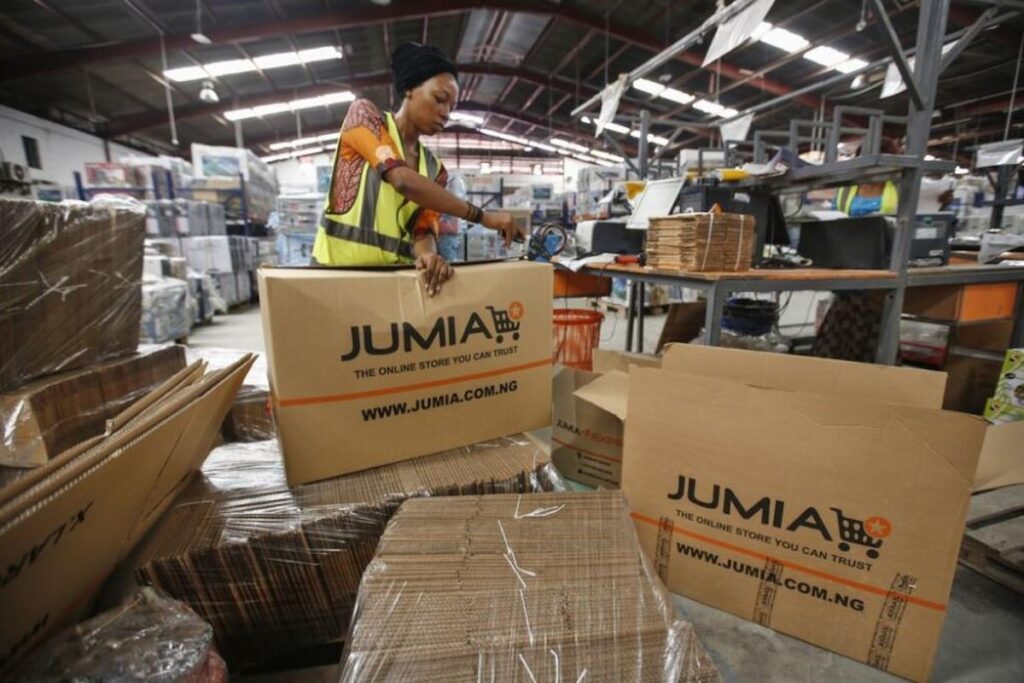
Jumia Worker

Africa, a continent of vibrant cultures, vast potential, and resilient people, is rapidly emerging as a global hub of innovation and opportunity. At the forefront of this transformation is Jumia, a Nigerian-founded e-commerce platform that has redefined online shopping across the continent since its launch in 2012. From its humble beginnings in Lagos to its expansion into 14 African countries, Jumia has become a symbol of African ingenuity, resilience, and ambition.

By connecting millions of consumers with over 100,000 sellers, offering innovative services like JumiaPay, and building a logistics network that rivals global giants, Jumia has not only transformed commerce but also showcased Africa’s ability to lead in the digital age. This essay explores Jumia’s journey, its impact on Africa’s economy, and its role in promoting the continent’s boundless prospects to the world.

The Birth of a Vision in Lagos

Jumia was born in 2012 in Lagos, Nigeria, a bustling metropolis known for its entrepreneurial spirit. Founded by Jeremy Hodara, Sacha Poignonnec, Tunde Kehinde, and Raphael Afaedor, the platform emerged at a time when e-commerce was still in its infancy in Africa. Internet penetration was low, logistical infrastructure was underdeveloped, and consumer trust in online transactions was minimal. Yet, the founders saw an opportunity to bridge these gaps and create a platform that would empower African businesses and consumers alike.

Inspired by global e-commerce giants like Amazon, Jumia tailored its model to suit Africa’s unique challenges and opportunities. The platform began as an online retailer, selling electronics, fashion, and household goods directly to consumers. However, the founders quickly realised that Africa’s diverse markets required innovative solutions. This vision led to the creation of a marketplace model, robust logistics services, and secure payment systems, all designed to overcome barriers like unreliable delivery networks and limited banking access.

Expanding Across the Continent

Jumia’s ambition extended far beyond Nigeria. By 2018, the platform had expanded to 14 African countries, including Egypt, Morocco, Kenya, South Africa, Ghana, Algeria, Tunisia, Uganda, Senegal, Côte d’Ivoire, Cameroon, Tanzania, Rwanda, and the Democratic Republic of Congo. Each market presented unique challenges, from language barriers to varying levels of infrastructure development. Yet, Jumia adapted with remarkable agility, localizing its offerings and building trust with consumers and sellers.

The platform’s expansion was not just geographical but also operational. In 2013, Jumia launched Jumia Travel, a hotel booking service, and Jumia Food, a food delivery platform, diversifying its portfolio to meet the growing needs of African consumers. These services tapped into Africa’s burgeoning tourism and urban food delivery markets, further solidifying Jumia’s role as a one-stop digital solution.

A Marketplace for All

In 2014, Jumia transitioned from a direct retail model to a marketplace model, allowing third-party vendors to sell their products on the platform. This pivot was a game-changer, enabling small and medium-sized enterprises (SMEs) across Africa to reach a broader customer base without the need for physical stores or complex logistics. By 2023, Jumia connected over 100,000 sellers to millions of consumers, empowering entrepreneurs in cities and rural areas alike.

The marketplace model democratized commerce in Africa, giving artisans, farmers, and small business owners access to national and international markets. For example, a fashion designer in Nairobi could sell handmade clothing to customers in Lagos, while a farmer in Ghana could offer organic produce to urban consumers in Accra. This inclusivity has been a cornerstone of Jumia’s mission, fostering economic growth and showcasing the diversity of African products.

Overcoming Challenges with Innovation

Africa’s e-commerce landscape is fraught with challenges, from unreliable road networks to low banking penetration. Jumia tackled these hurdles head-on with innovative solutions. The company built a logistics network that reportedly surpasses DHL’s fleet in Africa, with warehouses, delivery hubs, and last-mile solutions tailored to each market. In rural areas, where addresses are often informal, Jumia’s delivery agents use GPS and local knowledge to ensure packages reach their destinations.

Payment barriers were another obstacle. Many Africans lacked access to credit cards or bank accounts, and cash-on-delivery became a popular option. However, to promote digital payments and enhance security, Jumia launched JumiaPay in 2017. This secure payment system allows users to pay for goods and services using mobile money, bank cards, or other digital methods. By 2023, JumiaPay had processed millions of transactions, contributing to financial inclusion and reducing reliance on cash.

A Tech Unicorn and Global Recognition

Jumia’s success did not go unnoticed. In 2016, the company became Africa’s first tech unicorn, achieving a valuation of over $1 billion. This milestone was a testament to Africa’s growing influence in the global tech ecosystem and a signal to investors that the continent was ripe for innovation. In April 2019, Jumia made history again by going public on the New York Stock Exchange (NYSE), raising $196 million in its initial public offering (IPO). The listing was a landmark moment, showcasing African businesses’ ability to compete on the global stage.

Strategic partnerships further strengthened Jumia’s offerings. Collaborations with global brands like Carrefour brought high-quality groceries to African consumers, while partnerships with telecom providers like MTN and financial institutions like Mastercard enhanced digital access and payment solutions. These alliances underscored Jumia’s role as a catalyst for economic integration and modernization.

Resilience Amid Competition and Challenges

Jumia’s journey has not been without setbacks. The company faced fierce competition, notably from Konga in Nigeria, as well as global players like Amazon and Alibaba eyeing African markets. Infrastructural challenges, such as unreliable electricity and internet connectivity, posed ongoing hurdles. Additionally, banking complexities and consumer scepticism about online shopping required continuous education and trust-building efforts.

To remain competitive, Jumia made strategic decisions to streamline operations. Between 2019 and 2022, the company suspended services in less profitable markets like Cameroon, Tanzania, and Rwanda to focus on core markets such as Nigeria, Kenya, and Egypt. This restructuring allowed Jumia to optimize resources and strengthen its presence in high-growth regions. By 2022, when Jumia celebrated its 10th anniversary in Nigeria, it had solidified its position as a market leader, demonstrating resilience and adaptability.

Impact on Africa’s Digital Economy

Jumia’s contributions to Africa’s digital economy are profound. The platform has created thousands of jobs, from delivery agents and warehouse staff to tech developers and customer service representatives.

It has also empowered entrepreneurs, particularly women and youth, by providing them with a platform to grow their businesses. According to a 2021 report, SMEs on Jumia’s platform generated significant revenue, contributing to local economies and reducing unemployment.

Beyond economics, Jumia has driven behavioral change. By making online shopping accessible and reliable, the platform has encouraged millions of Africans to embrace digital solutions. In rural areas, where access to physical stores is limited, Jumia’s delivery services have brought essential goods like school supplies, healthcare products, and electronics to communities. During the COVID-19 pandemic, Jumia played a critical role in ensuring access to essentials, highlighting the importance of e-commerce in crisis response.

Jumia’s logistics and payment innovations have also set a benchmark for other African businesses. By proving that e-commerce can thrive despite infrastructural challenges, Jumia has inspired a wave of startups in fintech, agritech, and edtech, further diversifying Africa’s tech ecosystem. The platform’s success has attracted global investment, with venture capital flowing into African start-ups at unprecedented rates. In 2022 alone, African tech start-ups raised over $3 billion, with e-commerce and logistics among the top sectors.

Promoting Africa’s Prospects to the World

Jumia’s story is a powerful narrative for promoting Africa’s prospects. It challenges stereotypes of Africa as a continent defined by challenges, instead showcasing its potential for innovation, growth, and global leadership. Jumia’s ability to operate in diverse markets, from the deserts of Morocco to the rainforests of Ghana, demonstrates Africa’s adaptability and resilience. Its IPO on the NYSE sent a clear message: African companies can compete with the best in the world.

For audiences unaware of Africa’s achievements, Jumia serves as a gateway to understanding the continent’s dynamic economies. Nigeria, where Jumia was founded, is Africa’s largest economy, with a GDP of over $400 billion in 2023. Kenya, another key market, is a global leader in mobile money through platforms like M-Pesa.

Morocco and Egypt are hubs for manufacturing and tourism, while Ghana and South Africa boast robust financial sectors. Jumia’s presence in these markets highlights its diversity and interconnectedness, inviting the world to invest in Africa’s future.

Moreover, Jumia’s focus on sustainability and inclusion resonates with global values. The platform promotes eco-friendly products, supports local artisans, and invests in digital literacy programs to bridge the digital divide. By empowering women entrepreneurs and rural communities, Jumia aligns with global goals for equitable growth, making it a model for socially responsible business.

Looking Ahead: Jumia’s Vision for Africa

As of 2025, Jumia continues to innovate and expand its impact. The platform is exploring artificial intelligence to personalise shopping experiences, drones for last-mile delivery in remote areas, and blockchain for secure transactions. These advancements position Jumia at the cutting edge of global e-commerce while addressing Africa’s unique needs.

Jumia’s vision extends beyond commerce. By fostering digital inclusion, creating jobs, and building infrastructure, the platform is laying the foundation for a connected, prosperous Africa. Its success inspires young Africans to pursue careers in tech, entrepreneurship, and innovation, ensuring that the continent’s digital revolution is driven by its people.

Conclusion

Jumia is more than an e-commerce platform; it is a testament to Africa’s ability to innovate, overcome challenges, and lead in the global economy. From its launch in Lagos in 2012 to its status as a tech unicorn and NYSE-listed company, Jumia has transformed how Africans shop, sell, and connect. By building a robust logistics network, launching JumiaPay, and empowering SMEs, the platform has driven economic growth and digital adoption across 14 countries. Its resilience in the face of competition and infrastructural hurdles showcases the determination and ingenuity of African entrepreneurs.

For the world, Jumia is an invitation to discover Africa’s prospects, a continent where innovation thrives, diversity fuels growth, and opportunity knows no bounds. As Jumia continues to shape Africa’s digital future, it stands as a beacon of what is possible when vision meets resilience. Africa is open for business, and Jumia is leading the way.