Fintech Frontiers: South Africa’s Startup Surge in 2025

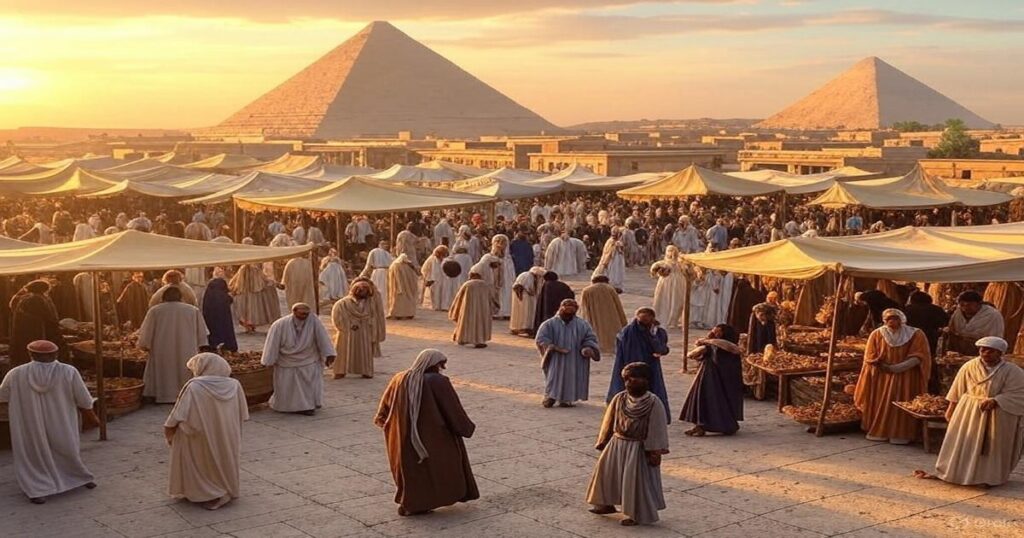
Students contemplating their future

South Africa’s Startup Ecosystem in 2025: A Passionate Journey of Innovation and Resilience. Step into the heart of Cape Town, where coders in bustling tech hubs craft AI tools to revolutionise farming, or Johannesburg, where fintech startups empower millions with digital wallets. South Africa’s startup ecosystem in 2025 is a vibrant tapestry of innovation, resilience, and hope, leading Africa’s charge toward a digital future.

Despite historical struggles, apartheid’s legacy, economic inequality, and unemployment, South Africans have built a tech scene that’s raised over $6 billion and fuels a $180 billion digital economy. For readers new to this landscape, this blog dives into the nation’s startup journey with passion and clarity, unpacking technical concepts and celebrating achievements in fintech, healthtech, and agritech.

Early 2000s: Rising from Challenges

South Africa’s startup story begins in the early 2000s, a time when the nation was healing from apartheid’s scars, which ended in 1994. With 2% internet penetration and a GDP reliant on mining, tech was a distant dream.

Unemployment hovered at 25%, and access to education and capital was unequal, especially for Black and female entrepreneurs. Yet, South Africans dreamed big. The National Development Plan (2008) set a vision to diversify the economy, emphasising ICT (Information and Communications Technology), tools like computers and networks for digital data.

The government laid fibre-optic cables, boosting internet access to 10% by 2010. Cape Town and Johannesburg emerged as tech hubs, with pioneers like Yoco, founded in 2013 to offer card payments for small businesses, sparking hope.

Funding was tough, startups leaned on personal savings or rare angel investors (wealthy backers of early ventures). Only 5% of startups were female-led by 2015, per the World Bank, and Black founders faced systemic barriers. Still, Cape Innovation and Technology Initiative (CiTi), launched in 1999, provided incubation, mentorship and resources, nurturing dreams of an inclusive tech future.

2010s: Building a Vibrant Ecosystem

Fintech Boom: South Africa Startups 2025

The 2010s were a turning point. By 2019, South Africa boasted 500+ startups, with 40% in fintech, per UVU Africa. Cape Town led in insurtech (insurance tech) and e-commerce, while Johannesburg shone in fintech, hosting 74 startups like Luno, a cryptocurrency platform. mLab Southern Africa (2012) in Cape Town offered R500,000 grants for mobile apps, supporting IoT (Internet of Things), connected devices like smart sensors, and healthtech.
This era saw South Africans tackling local issues, like financial exclusion, with global impact.


Venture capital (VC) funding for high-growth startups surged, with $500 million invested in 2022. Policies like Section 12J tax incentives drew local VCs, and international funds like Partech Africa joined. Yet, challenges loomed: 90% of startups failed within three years due to market risks, and only 10% of VC reached female-led firms.

Injini (2017) for edtech and BioCiTi for biotech supported diverse founders, while Cape Town’s Silicon Cape connected innovators. By 2019, South Africa ranked 52nd globally in startup ecosystems, outpacing Serbia, with aspirations to rival global hubs.

2020s: A Powerhouse in 2025

Fast-forward to 2025, and South Africa’s startup ecosystem is a continental leader, with 3,000+ startups driving a $180 billion digital economy. After a 57% funding drop in H1 2024 ($780 million vs. $1.8 billion in 2023), 2025 rebounds with $3.2 billion raised, led by fintech (60% of equity funding).

Cape Town hosts 450+ tech firms, excelling in healthtech, while Johannesburg dominates fintech. Emerging hubs like Stellenbosch (agritech) and Pretoria (R&D) diversify the landscape. The ecosystem is set to create 115,000 jobs, tackling unemployment projected at 33.2%.

Key Sectors and Trailblazers

Fintech: TymeBank, a 2024 unicorn valued over $1 billion, serves 10 million customers with digital banking. Stitch pioneers open banking, secure financial data sharing, while PayCurve uses AI for payroll efficiency.

Healthtech: Itakane Health leverages AI for diagnostics, enhancing rural healthcare. Finclusion Group offers digital insurance, reaching marginalized communities.

Agritech: Aerobotics uses drones and AI for precision farming, boosting yields by 20%. Agrigistics digitizes farm labor management.

Sustainability and Mobility: Green Riders trains youth for e-bike delivery, aiming for 50,000 jobs and lower emissions. BATTALION Technologies builds autonomous vehicles for renewable energy.

Emerging Innovators: Dark Pools fights financial crime with AI, and The Compost Kitchen transforms waste into compost, cutting landfill use.

Funding Resilience

Funding challenges persist, banks demand collateral, and institutional investors like pension funds allocate only 10% to private equity. Yet, VCs like Launch Africa Ventures and Flourish Ventures fuel fintech and agritech, with investments like LittleFish’s seed round.

Debt financing rose to 31% of funding in 2024, reflecting cautious strategies. The SA SME Fund’s R300 million seed fund supports 50+ startups, while angel networks like Jozi Angels bridge early-stage gaps.

Championing Gender Diversity

Gender inclusion is a priority, though only 15% of 2024 funding went to startups with female founders, and 8% to female-led ventures. South Africa’s response is inspiring:
Grindstone Ventures (Knife Capital) targets female and Black founders.
SA SME Fund mandates diversity, backing inclusive startups.

Dazzle Angels, a women-led angel group, empowers female entrepreneurs.
She Wins Africa (IFC) provides training and investor connections.
IQ-EQ Launchpad supports female fund managers, diversifying VC decisions.
Agritech leads with gender parity in funding, with women like Nthabiseng Mosia (Easy Solar) shining. These efforts aim for 30% female-led startups by 2030, reflecting South Africa’s diverse population.

Struggles and Resilience: Overcoming Barriers

South Africa’s startup journey mirrors its broader struggles, economic inequality, with 55% of wealth held by the top 10%, and a weakening rand deterring investors. Startups face:

Early-Stage Funding Gaps: Limited institutional capital forces reliance on personal networks.
Regulatory Hurdles: Exchange controls complicate moving IP or funds, slowing foreign investment.

Bias: 80% of VC goes to male-led firms, and Black founders are underrepresented.
Economic Volatility: Inflation and currency risks challenge scalability.
Yet, South Africans shine with resilience. Corporate partnerships, like MTN’s API marketplace, integrate startups into value chains. Accelerators like mLab and UVU Africa offer grants and mentorship. The Startup Act, under review in 2025, promises tax breaks and visa reforms, signaling commitment to growth.

Vision for 2025 and Beyond: A Bold Future

South Africans envision a tech ecosystem leading Africa’s digital economy by 2030, contributing 10% to GDP (up from 2% in 2020). Key aspirations include:
Digital Inclusion: 87% smartphone penetration by 2030 fuels e-commerce and fintech.
Global Investment: VCs like Norrsken22 see “untapped potential,” with $408 million raised in Q1 2025.

Sustainability: Cleantech startups like Open Access Energy align with 2050 carbon neutrality goals.

Diversity: Programs like AWCA Forum aim for equitable funding, empowering women and Black founders.

New Hubs: Durban (logistics tech) and Stellenbosch (agritech) expand the ecosystem.

The vision is inclusive: tech solving unemployment, improving healthcare, and ensuring food security, with youth and women leading. By 2030, South Africa aims to rival global hubs like Tel Aviv, leveraging its English-speaking workforce and 43% internet penetration.
Why South Africa’s Ecosystem Inspires

For readers worldwide, South Africa’s startup ecosystem is a story of triumph over adversity. From Cape Town’s scenic Table Mountain to Johannesburg’s financial pulse, its 60 million people form a diverse market. Startups like TymeBank and Aerobotics address global challenges, poverty, climate change, drawing giants like Uber and Blockchain Capital. With a median age of 27, South Africa’s youth are its heartbeat, coding solutions for a $3 trillion African market. Its stability and reforms make it a gateway to opportunity. Investing here is a stake in a continent’s rise.

South Africa’s startup ecosystem in 2025 is a testament to passion and perseverance. From Yoco’s humble beginnings to TymeBank’s unicorn status, its 3,000+ startups and $6 billion in funding redefine Africa’s digital frontier. Challenges, funding gaps, and bias persist, but initiatives like She Wins Africa and Grindstone Ventures light the way. For dreamers, investors, and allies, South Africa beckons: join a nation crafting an inclusive, tech-driven future. Dive into this vibrant ecosystem, Africa’s innovation starts here!

Resource Nationalism in Nigeria’s Oil and Gas Sector: A Blueprint for Africa’s Energy Future

Resource Nationalism: Nigeria’s Oil

Nigeria’s resource nationalism, driven by IOC divestments and the PIA, empowers local firms like Seplat and Oando, offering a model for Africa’s energy sovereignty amid governance and environmental challenges.

The historic shift in Nigeria’s oil and gas sector in 2024, marked by local companies acquiring major onshore and offshore assets from International oil companies (IOCs), reverberates far beyond Nigeria’s borders.

With deals like Renaissance Africa Energy Holdings’ $1.3 billion acquisition of Shell’s SPDC, Seplat Energy’s $1.28 billion purchase of ExxonMobil’s assets, Oando PLC’s $783 million takeover of Eni’s NAOC, Chappal Energies’ $860 million deal with TotalEnergies, and the NNPC-led Project Odin, Nigeria has set a precedent for domestic control over critical resources.

This transformation, driven by IOC divestments, Nigeria’s Petroleum Industry Act (PIA), and local ambition, offers both opportunities and cautionary lessons for Africa. This blog explores the broader implications for the continent across economic, political, environmental, and geopolitical dimensions, cutting through establishment narratives to assess what Nigeria’s pivot means for Africa’s energy future.

Economic Implications: A Model for Resource Nationalism

  1. Boosting Local Ownership

Nigeria’s success in transferring control from IOCs to indigenous firms like Renaissance, Seplat, and Oando signals a potential blueprint for African countries seeking to reclaim resource wealth. Across the continent, foreign companies have historically dominated extractive industries, repatriating profits while host nations grapple with limited economic benefits. Nigeria’s deals, enabled by the PIA’s local content provisions, demonstrate how policy reforms can empower domestic players. For example, Seplat’s plan to double production to 200,000 boepd and Oando’s near-doubling of reserves to 1 billion boe highlight how local firms can drive upstream growth.

Africa-Wide Impact: Countries like Angola, Ghana, and Algeria, which also host significant oil and gas reserves, could adopt similar frameworks. Angola’s Sonangol, for instance, has pursued partial privatisations to boost local participation, while Ghana’s Petroleum Commission has pushed for greater indigenous involvement in offshore fields. Nigeria’s model could inspire these nations to renegotiate contracts with IOCs, prioritising local firms and retaining more value domestically.

  1. Economic Diversification and Intra-African Trade

The rise of Nigerian firms strengthens Africa’s energy markets, potentially fostering intra-African trade under the African Continental Free Trade Area (AfCFTA). Nigeria’s increased control over assets like the Qua Iboe and Brass River terminals could stabilise regional oil supply chains, benefiting neighbours like Benin and Togo, which rely on Nigerian fuel exports. Additionally, Nigeria’s focus on gas, for instance, TotalEnergies’ Ubeta project supplying Nigeria LNG, aligns with Africa’s push for cleaner energy, potentially positioning Nigeria as a gas hub for West Africa.

Africa-Wide Impact: This could spur cross-border energy projects, such as the Nigeria-Morocco Gas Pipeline, enhancing energy access in West Africa. However, for Africa to fully capitalise, countries must address infrastructure gaps and harmonise regulations, as Afcfta’s success hinges on seamless trade.

  1. Challenges of Capital and Capacity

While Nigeria’s deals showcase ambition, they also expose financial and technical constraints. Local firms like Chappal Energies relied on IOC financing, raising concerns about debt burdens. Across Africa, indigenous companies often lack the capital and expertise to manage complex assets, risking operational inefficiencies or reliance on foreign partners.
Africa-Wide Impact: This cautionary tale applies to countries like Uganda, developing its Lake Albert oil project, or Mozambique, scaling up LNG projects. Without robust financing mechanisms such as Africa’s proposed $100 billion energy transition fund or investments in technical training, other nations may struggle to replicate Nigeria’s success.

Political Implications: Governance and Sovereignty

  1. Strengthening Resource Sovereignty

Nigeria’s shift reflects a broader African trend toward resource nationalism, as governments seek greater control over strategic assets. The NNPC’s role in Project Odin and the PIA’s empowerment of the Nigerian Upstream Petroleum Regulatory Commission (NUPRC) underscore state-led efforts to prioritise national interests. This resonates with movements in countries like Namibia, where recent oil discoveries have prompted calls for equitable contracts, or Zimbabwe, which has tightened mining regulations to favour local players.

Africa-Wide Impact: Nigeria’s example could embolden African governments to challenge IOC dominance, renegotiating production-sharing agreements or imposing stricter local content rules. However, success depends on transparent governance, as political elites often capture resource wealth, as seen in Angola’s past mismanagement of oil revenues.

  1. Risks of Political Capture

The Oando deal, tainted by allegations of cronyism due to CEO Wale Tinubu’s ties to President Bola Tinubu, highlights the risk of political influence undermining reforms. Nigeria’s history of elite capture in oil governance mirrors challenges across Africa, where resource wealth often fuels corruption rather than development.

Africa-Wide Impact: Countries like South Sudan, where oil revenues have funded conflict, or Equatorial Guinea, marked by kleptocratic governance, face similar risks. Nigeria’s experience underscores the need for independent regulatory bodies and public accountability to ensure resource nationalism benefits citizens, not just elites.

Environmental Implications: Opportunities and Liabilities

  1. Local Accountability for Environmental Challenges

IOCs’ divestments in Nigeria were partly driven by environmental liabilities, with the Niger Delta suffering thousands of oil spills annually, costing communities billions in damages. Being closer to affected regions, local firms may prioritise community engagement and remediation, as seen in Renaissance’s plans to address SPDC’s legacy issues.
Africa-Wide Impact: This could set a precedent for environmental accountability in countries like Sudan or Chad, where oil extraction has caused ecological harm. However, local firms often lack the resources for large-scale cleanups, and weak regulatory enforcement is common across Africa, which could exacerbate environmental degradation.

  1. Aligning with Global Energy Transitions

Nigeria’s focus on gas projects, like those acquired by Oando and Chappal, aligns with Africa’s role in the global energy transition. Gas is seen as a bridge fuel, and Nigeria’s LNG exports could support Africa’s energy needs while meeting global demand. This mirrors strategies in Mozambique and Tanzania, which are developing LNG to attract investment.
Africa-Wide Impact: Nigeria’s pivot could position Africa as a key player in gas markets, but it risks over-reliance on fossil fuels amid global shifts to renewables. African nations must balance short-term gains with investments in solar, wind, and green hydrogen, as seen in South Africa’s Just Energy Transition Partnership.

Geopolitical Implications: Shifting Global Alliances

  1. Reducing Western Influence
    The exit of Western IOCs like Shell, ExxonMobil, and TotalEnergies from Nigeria’s onshore fields weakens their historical grip on African resources, a legacy tied to colonial and post-colonial exploitation. Nigeria’s empowerment of local firms challenges the Western-dominated energy order, aligning with Africa’s broader push for economic independence.

Africa-Wide Impact: This shift could encourage African nations to diversify partnerships, engaging with non-Western players like China, India, or Russia. For instance, China’s growing investments in Angola’s oil and gas sector reflect this trend. However, new dependencies on non-Western powers risk replicating old patterns of exploitation.

  1. Navigating Global Energy Dynamics

As IOCs pivot to deepwater and LNG projects, Nigeria and other African producers face competition from global players like Qatar and Australia. Additionally, the global energy transition threatens long-term demand for African oil, as Europe accelerates decarbonization.

Africa-Wide Impact: African nations must strategically position themselves in a changing energy landscape. Nigeria’s focus on gas and local production could inspire countries like Algeria or Libya to bolster domestic control, but they must also invest in renewable energy to remain competitive. Regional cooperation, through bodies like the African Union, could amplify Africa’s voice in global energy negotiations.

Challenges and Risks for Africa
Governance Gaps: Nigeria’s political controversies highlight a continent-wide challenge: weak institutions and corruption can undermine resource nationalism. Without transparent regulatory frameworks, as seen in Nigeria’s PIA, other African nations risk mismanaging similar transitions.

Environmental and Social Costs: The Niger Delta’s environmental crisis is a warning for countries like Ghana or Uganda, where new oil projects could exacerbate ecological and community tensions. Local firms must prioritise sustainable practices, but limited resources and regulatory oversight pose barriers.

Global Marginalisation: As Western IOCS exit and global demand shifts, Africa risks being sidelined in energy markets unless it diversifies its economies and energy portfolios. Nigeria’s reliance on oil, despite its reforms, mirrors vulnerabilities in Angola and Gabon.
Opportunities for Africa

Regional Leadership: Nigeria’s transformation positions it as a leader in African energy markets, potentially driving regional initiatives like the AfCFTA or cross-border pipelines. Its success could inspire smaller producers like Senegal or Mauritania to emulate its model.

Capacity Building: The rise of Nigerian firms highlights the importance of investing in local expertise. Africa-wide initiatives, such as the African Energy Chamber’s training programs, could scale up technical capacity, enabling more countries to manage their resources.

Energy Transition Leverage: By balancing oil and gas with renewables, African nations can attract investment from both traditional and green energy sectors. Nigeria’s gas focus could pave the way for regional hubs in clean energy, as seen in Morocco’s solar projects.

A Critical Perspective: Beyond the Optimism

While Nigeria’s shift is hailed as a victory for African agency, it exposes deeper structural issues. IOC divestments are less about empowering Africa and more about Western firms dodging liabilities while pivoting to profitable deepwater and LNG ventures. The environmental and social burdens left behind, as in the Niger Delta, risk becoming Africa’s responsibility, with local firms ill-equipped to address them. Moreover, political capture, as seen in Nigeria, reflects a continent-wide pattern where elites exploit resource wealth, perpetuating inequality.

Globally, Africa faces a double standard: Western nations push decarbonization while offloading dirty assets to developing countries. Nigeria’s experience should prompt African leaders to demand accountability from IOCs and invest in diversified economies to avoid over-reliance on volatile commodity markets. The continent’s future hinges on collective action, transparent governance, and strategic alignment with global energy trends.

Conclusion: A Catalyst for African Transformation?

Nigeria’s 2024 oil and gas transformation is a defining moment for Africa, offering a roadmap for resource nationalism, economic empowerment, and energy security. The rise of local firms and state-led initiatives like Project Odin signals a shift toward sovereignty, with the potential to inspire countries from Angola to Mozambique. Yet, the risks of political capture, environmental neglect, and global marginalisation loom large. For Africa to capitalise, it must prioritise governance reforms, regional cooperation, and investments in both fossil fuels and renewables. Nigeria’s journey is a beacon, but also a warning: true transformation requires not just control, but accountability and vision for the continent’s people.
Word Count: 1,996
This analysis draws on Nigeria’s 2024 oil deals to assess continent-wide implications, grounded in data and critical of establishment narratives, as requested.

Medieval Africa Reclaimed: The Forgotten Empires That Shaped the World

Medieval Africa

Medieval Africa: A Tapestry of Empires, Trade, and Brilliance

Picture a vast continent where golden savannas stretch beneath a blazing sun, where markets hum with the chatter of traders from Cairo to Calicut, and where stone cities rise like mirages on the horizon. This is medieval Africa, an age of empires, scholars, and adventurers spanning 500 to 1500 CE. Far from the colonial myth of a “dark continent,” Africa in the Middle Ages was a crucible of innovation, wealth, and culture, woven into the fabric of the global medieval world.

Africa in the Middle Ages was a crucible of innovation, wealth, and culture, its kingdoms weaving a vibrant tapestry that connected to Europe, Asia, and beyond. For those new to African history or wary of dusty tomes, this story is your gateway to a dazzling era.

We’ll wander through the Kingdom of Aksum’s misty highlands, the Mali Empire’s golden cities, the Songhai Empire’s riverine might, and Great Zimbabwe’s stone palaces, painting a picture of a continent that shaped the medieval world with charm and grandeur.
The Pulse of Medieval Africa

Medieval Africa wasn’t a patchwork of isolated villages; it was a constellation of sophisticated societies. Its empires commanded trade routes that crisscrossed deserts, rivers, and coasts, carrying gold, salt, ivory, and ideas. Cities like Timbuktu and Great Zimbabwe buzzed with life, their streets alive with scholars, artisans, and merchants.

These kingdoms weren’t just rich in resources; they were rich in ambition, building systems of governance, art, and learning that rivalled any in the world. To understand medieval Africa is to see a continent that didn’t just survive but thrived, its heartbeat echoing across centuries.

Let’s journey through four iconic realms, Aksum, Mali, Songhai, and Great Zimbabwe, each a gem in Africa’s medieval crown, revealing a world of splendour and strength.

The Kingdom of Aksum: The Highland Beacon (100–940 CE)

High in the rugged mountains of what’s now Ethiopia and Eritrea, where clouds cling to jagged peaks, the Kingdom of Aksum rose like a star in the early medieval world. From 100 to 940 CE, this East African powerhouse was a crossroads of civilisations, its ports on the Red Sea alive with ships from Rome, Persia, and India.

A Trading Empire’s Glitter: Aksum’s wealth came from its perfect perch. Its harbours bustled with traders swapping ivory, gold, and frankincense for silks and spices. The kingdom minted gold coins, rare for the time, etched with the stern faces of its kings, found as far afield as India. Picture merchants haggling in Aksum’s markets, their voices mingling with the bleat of goats and the scent of incense wafting through the air. This was no backwater; Aksum was a global hub, its coffers brimming.

Faith and Stone: Aksum’s soul was as rich as its purse. Around 330 CE, King Ezana embraced Christianity, making Aksum one of the world’s first Christian states, centuries before much of Europe. Towering obelisks, carved from single stones and rising over 100 feet, dotted the landscape, their intricate designs glinting in the sun.

These weren’t just monuments; they were declarations of power and piety. Aksum also birthed Ge’ez, a written script still used in Ethiopian churches, its flowing letters a testament to the kingdom’s intellect.

A Fading Light: By the 10th century, Aksum’s star dimmed. Shifting trade routes and possible climate shifts strained its fields and ports. Yet its legacy endures in Ethiopia’s ancient churches, where priests still chant in Ge’ez, and in the obelisks that stand defiant against time. Aksum was Africa’s lighthouse, guiding ships and ideas across the medieval world, proving the continent was no stranger to greatness.

The Mali Empire: The Golden Heart of the Sahara (1235–1600 CE)

Now, let’s cross the continent to West Africa, where the Mali Empire glittered like a mirage in the Sahara’s heat. From the 13th to 16th centuries, Mali sprawled across modern Mali, Senegal, and Guinea, its cities pulsing with gold and wisdom under a sky that seemed to stretch forever.

Mansa Musa’s Golden Reign: Mali’s legend was forged by Mansa Musa, who ruled from 1312 to 1337 and whose wealth dazzled the world. His empire sat on gold mines that supplied half the medieval world’s bullion. In 1324, Musa’s pilgrimage to Mecca became the stuff of myth.

Picture a caravan stretching miles, laden with gold, camels swaying under the weight, as Musa gifted so much treasure in Cairo that markets buckled. Chroniclers in Europe scribbled his name, awestruck by a king whose riches outshone their own.

Timbuktu’s Scholarly Glow: Mali’s true treasure wasn’t just gold; it was knowledge. Timbuktu, a city of mud-brick mosques and bustling streets, was the world’s intellectual capital. Sankore University drew scholars from across Africa and the Middle East, their debates echoing through courtyards piled with manuscripts.

Imagine scribes hunched over parchment, penning works on astronomy, law, and poetry, while caravans unloaded salt and cloth outside. Timbuktu’s libraries held tens of thousands of texts, many preserved today, a beacon of African scholarship.

A Vibrant Society: Mali’s mansas ruled with finesse, taxing trade routes that ferried goods across the Sahara. Griots, the empire’s oral poets, wove history into song, their voices rising over drumbeats at royal courts. Markets thrummed with life, traders bartering gold for salt, weavers selling vibrant cloth, the air thick with the scent of spices and leather.

The Twilight: By the 1600s, internal strife and invasions dimmed Mali’s light, giving way to Songhai. But its legacy burns bright in West Africa’s griot traditions and Timbuktu’s enduring fame. Mali was a golden dream, proving Africa was a font of wealth and wisdom, not a land awaiting discovery.

The Songhai Empire: The Riverine Colossus (1464–1591 CE)

As Mali waned, the Songhai Empire rose along the Niger River, its waters reflecting a new titan. From the 15th to late 16th centuries, Songhai stretched across modern Niger, Nigeria, and Mali, its armies and markets a symphony of power and prosperity.

Sunni Ali’s Sword: Songhai’s ascent began with Sunni Ali, a warrior-king (r. 1464–1492) whose conquests forged West Africa’s largest empire. Imagine his cavalry thundering across the savanna, lances gleaming, or his navy gliding down the Niger in sleek canoes. Ali captured Timbuktu and Djenné, turning Songhai into a military machine with a discipline that awed rivals.

Askia’s Golden Age: After Ali, Askia Muhammad (r. 1493–1528) brought Songhai to its zenith. A devout Muslim, he streamlined trade, standardised measures, and made Timbuktu a cultural jewel again. His pilgrimage to Mecca strengthened ties with the Islamic world, while his governors ruled far-flung provinces with loyalty. Picture Askia’s court in Gao, advisors debating policy as griots sang of victories, the river sparkling beyond.

A Cultural Mosaic: Songhai’s cities were melting pots. Djenné’s Great Mosque, its mud-brick towers rising like a desert castle, drew worshippers and artists. Timbuktu’s scholars penned works that reached Cairo and Cordoba. Markets brimmed with kola nuts, slaves, and gold, linking Songhai to North Africa and beyond.

The Fall: In 1591, Moroccan invaders with firearms crushed Songhai’s army at Tondibi, shattering the empire. Yet its systems of governance and trade shaped West Africa for centuries. Songhai was a river of might and culture, showing Africa’s knack for blending strength with sophistication.

Great Zimbabwe: The Stone Jewel of the South (1100–1450 CE)

In Southern Africa, where rolling hills meet endless skies, Great Zimbabwe rose as a monument to ingenuity. From the 11th to 15th centuries, this empire in modern Zimbabwe and Mozambique built stone cities that left the world in awe.

A City of Stone: Great Zimbabwe’s capital was a marvel. Picture massive granite walls, fitted without mortar, curving gracefully around palaces and markets. The Great Enclosure, with its towering walls, and the Conical Tower stood proud, home to 18,000 people, rivalling medieval Paris. At dawn, the stones glowed pink, a silent testament to Shona craftsmanship.

Gold and Global Trade: Great Zimbabwe thrived on trade. Its gold and ivory flowed to Indian Ocean ports, swapped for Chinese porcelain and Persian beads. Imagine traders trekking inland, their packs heavy with goods, as cattle herds, symbols of wealth, grazed nearby. Archaeological finds, like glass from India, reveal a kingdom plugged into global networks.

A Mysterious End: By the 1450s, Great Zimbabwe faded, perhaps due to overgrazing or shifting trade. When Europeans stumbled on its ruins centuries later, some spun tales of foreign builders, unable to believe Africans created such splendour. But the Shona people’s oral histories and archaeology confirm it was theirs.

A Lasting Echo: Great Zimbabwe’s name graces a modern nation, its ruins a UNESCO site. It stands as Southern Africa’s medieval masterpiece, defying myths of a “primitive” continent. Great Zimbabwe was a stone symphony, proving Africa’s brilliance spanned every corner.

The Bigger Picture

These kingdoms, Aksum, Mali, Songhai, and Great Zimbabwe, reveal a medieval Africa that was anything but “dark.” They built cities that rivalled Europe’s, traded with empires across seas, and fostered learning that enlightened the world. Their rulers were visionaries, their people innovators. Timbuktu’s manuscripts, Aksum’s obelisks, Songhai’s mosques, and Great Zimbabwe’s walls still whisper of their glory.

Why These Stories Were Erased

Colonialism cast a long shadow, erasing African achievements to justify domination. Textbooks often skip these empires, leaving gaps in our understanding. But medieval Africa wasn’t a footnote; it was a cornerstone of global history, its trade and ideas shaping the Middle Ages.

Why This Matters Today

Medieval Africa’s legacy lives on. In Ethiopia, churches echo Aksum’s hymns. In Mali, griots sing of Musa’s gold. In Zimbabwe, the Shona honour their stone builders. These stories remind us that Africa’s past is one of resilience and radiance, not just struggle.

Start Your Journey Into African History

Medieval Africa isn’t just history, it’s a mirror, a map, and a muse. In its echoes, we find not only the brilliance of a forgotten world but a compass for the future. The empires of Aksum, Mali, Songhai, and Great Zimbabwe invite us to rethink what history is, and who gets to shape it. This is your beginning. Let the story change you.

The Kingdom of Kush: A Tapestry of Triumph and Timeless Glory

Kingdom of Kush

In the cradle of the Nile, where the river’s azure veins weave through the sun-scorched sands of modern-day Sudan, there thrived a civilisation that pulsed with power, artistry, and ambition: the Kingdom of Kush. For those unfamiliar with Africa’s ancient wonders, Kush is not merely a footnote in history but a radiant chapter that rivals the grandeur of Egypt, its northern neighbour.

With a history spanning over a millennium, from roughly 1070 BCE to 350 CE, Kush was a beacon of resilience, innovation, and cultural splendour. Let us embark on a journey through time, tracing the rise, reign, and eventual twilight of this extraordinary kingdom, with a storyteller’s heart to captivate and enlighten.

The Dawn of Kush: Roots in Nubia

To understand Kush, we must first meet Nubia, the land that birthed it. Stretching along the Nile from Aswan in southern Egypt to Khartoum in Sudan, Nubia was a corridor of commerce and culture, blessed by the river’s fertile embrace. The people of Nubia, dark-skinned and proud, were master traders, artisans, and warriors, whose lives intertwined with Egypt’s as early as 3000 BCE. Gold, ivory, ebony, and incense flowed from Nubia’s heart, making it a coveted prize for Egyptian pharaohs.

By the 16th century BCE, Egypt’s New Kingdom had subjugated Nubia, imposing governors and extracting tribute. Yet, far from being mere vassals, the Nubians absorbed Egyptian customs—gods like Amun, hieroglyphic writing, and pyramid-building, while preserving their identity. This cultural dance set the stage for Kush’s emergence. When Egypt’s power waned around 1070 BCE, fragmented by internal strife, Nubia seized its moment. From the city of Napata, nestled at the foot of the sacred Jebel Barkal mountain, a new power arose: the Kingdom of Kush.

The Rise of Napata: Kings and Conquerors

Napata was no ordinary city. Its towering sandstone cliffs and the looming presence of Jebel Barkal, believed to be the dwelling place of the god Amun, imbued it with divine significance. Here, a line of ambitious rulers forged a kingdom that would not only reclaim Nubian pride but also etch its name in the annals of history. The first great king we know of is Alara, a shadowy figure from the 8th century BCE, credited with unifying Nubian tribes and laying the foundations of Kushite power. His successors, however, would shine even brighter.

Enter Kashta, the “Kushite,” whose reign around 760 BCE marked a turning point. With charisma and cunning, Kashta extended Kush’s influence northward, infiltrating Egypt’s southern city of Thebes. He married his daughter Amenirdis to a high priest of Amun, weaving Kushite blood into Egypt’s sacred elite. But it was his son, Piye, who would elevate Kush to dazzling heights.

Piye, ruling around 747–716 BCE, was a warrior-king with a poet’s soul. His reign is immortalised in the Victory Stele, a granite monument that sings of his conquests with lyrical pride. When Egypt’s fragmented city-states, ruled by petty kings, descended into chaos, Piye saw his chance. Marching north with a disciplined army, he swept through Egypt like a desert storm, capturing Memphis and uniting the land under his rule.

Yet Piye was no mere conqueror; he was a restorer. Devoutly worshipping Amun, he saw himself as Egypt’s rightful guardian, reviving its ancient traditions. He built temples, adorned pyramids, and ruled as the first pharaoh of Egypt’s 25th Dynasty, the “Kushite Dynasty.”

Imagine the sight: a Nubian king, crowned with the double cobra of Upper and Lower Egypt, presiding over a civilisation that had once enslaved his ancestors. This was Kush’s triumph, not just of arms, but of spirit. Piye’s successors, Shabaka, Shebitku, and Taharqa, continued his legacy, ruling Egypt and Nubia as a dual empire. Taharqa, in particular, was a titan. Reigning from 690–664 BCE, he oversaw a cultural renaissance, erecting temples at Karnak and restoring Nubia’s sacred sites. His colossal statues, with their serene faces and muscular forms, still whisper of his grandeur.

The Golden Age: Meroë and the Heart of Kush

But empires are fickle, and by 671 BCE, the Assyrian juggernaut, armed with iron weapons, invaded Egypt. Taharqa fought valiantly, but the Assyrians expelled the Kushites from Egypt by 664 BCE. Far from broken, Kush retreated to its Nubian heartland, where it would write its most enduring chapter. The capital shifted from Napata to Meroë, a city south of the Sixth Cataract, around 590 BCE. Meroë was Kush’s crown jewel, a metropolis of innovation and resilience that would sustain the kingdom for centuries.

Meroë was a marvel. Surrounded by fertile plains and rich iron deposits, it became a hub of industry and trade. The Kushites, now masters of iron smelting, crafted tools and weapons that rivalled those of their foes. Their markets buzzed with goods from Central Africa, Arabia, and India—ostrich feathers, leopard skins, and gold that glittered like the desert sun. Meroë’s skyline was studded with pyramids, smaller but more numerous than Egypt’s, their sharp angles piercing the heavens. Over 200 pyramids still stand in Sudan’s deserts, a testament to Kush’s devotion to its kings and queens.

Yes, queens! The Kandakes, or queen mothers, were among Kush’s most captivating figures. These women were not mere consorts but warriors and rulers in their own right. Amanirenas, ruling around 40–10 BCE, is a legend. When the Romans, fresh from annexing Egypt, encroached on Kush, she led a daring resistance. With one eye lost to battle, she struck at Roman garrisons, even hauling off a bronze statue of Augustus as a trophy. Her treaty with Rome secured Kush’s borders, proving her as a diplomat as fierce as she was on the battlefield. The Kandakes, with their intricate jewellery and commanding presence, embodied Kush’s indomitable spirit.

Meroë was also a cradle of culture. The Kushites developed their script, the Meroitic alphabet, a flowing cursive that remains only partially deciphered, guarding its secrets like a coy lover. Their art blended Egyptian motifs with African flair, lions, elephants, and giraffes danced across their pottery and reliefs. Religion flourished, with Amun joined by local deities like Apedemak, the lion-headed war god, whose temples roared with divine ferocity.

The Twilight of Kush: Decline and Legacy

Yet, even the mightiest kingdoms bow to time. By the 3rd century CE, Kush faced mounting pressures. The rise of Aksum, a powerful kingdom in modern-day Ethiopia, disrupted Meroë’s trade routes. Environmental changes, perhaps overgrazing or deforestation, strained the land’s fertility. Internal strife and invasions by nomadic Blemmyes weakened the kingdom’s core. Around 350 CE, Aksum’s king Ezana dealt the final blow, sacking Meroë and ending Kush’s reign. The city’s ruins faded into the sands, its pyramids standing as silent sentinels.

But Kush’s story does not end in defeat. Its legacy ripples through history like the Nile’s eternal flow. The Kushites were not just conquerors or imitators of Egypt; they were innovators who reshaped the Nile Valley’s cultural landscape. Their ironworking techniques spread across Africa, fuelling technological advances. Their pyramids, though less famous than Giza’s, are a UNESCO World Heritage Site, drawing adventurers to Sudan’s deserts. The Kandakes inspire modern feminists and African diaspora movements, their courage a beacon across centuries.

For those new to Africa’s past, Kush is a gateway to a continent too often misunderstood. It challenges the notion that Africa’s history began with European contact or that its civilisations were mere shadows of others. Kush was a star in its own right, burning bright with ambition, faith, and creativity. Its people, who turned deserts into empires, remind us of humanity’s boundless potential.

A Love Letter to Kush

As we stand at the edge of Meroë’s ruins, with the wind whispering through ancient stones, we feel Kush’s heartbeat. This was a kingdom of dreamers and doers, of kings who conquered empires and queens who defied Rome. It was a land where iron was forged, pyramids touched the sky, and the Nile sang of eternity. To know Kush is to love it, to marvel at its triumphs, mourn its fall, and celebrate its enduring spirit.

For the curious, the uninitiated, the seekers of wonder: let Kush be your guide. Explore its story in Sudan’s museums, where artefacts gleam with history. Read the Victory Stele’s poetry, where Piye’s voice still rings. And when you hear of Africa, think not only of wildlife or modernity but of Kush, a kingdom that danced with gods, defied empires, and left a legacy as timeless as the Nile itself.