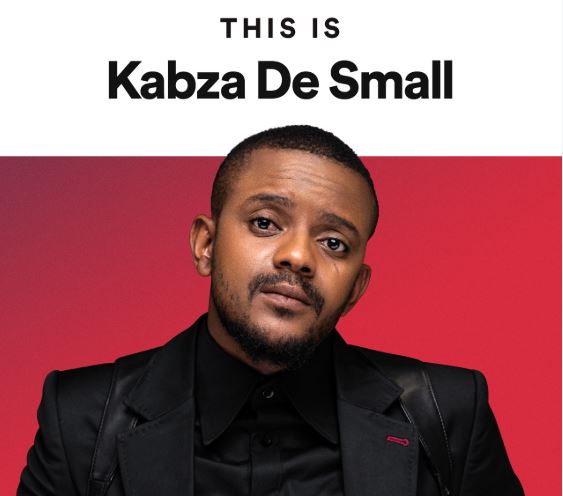
Step into the heart of a Pretoria township, where the night hums with the thump of log drums, the shimmer of jazzy piano chords, and the laughter of a crowd swaying under streetlights. This is the world of amapiano, a genre that’s taken South Africa and the globe by storm, and at its helm is Kabza De Small, the “King of Amapiano.”
Born Kabelo Petrus Motha on November 27, 1992, Kabza transformed from a plumber spinning tracks in his spare time to a global music icon, blending African rhythms with electronic beats to create a sound that’s as soulful as it is infectious.
For those new to African music, allow us to guide you through Kabza’s life, immersing you in the vibrant atmosphere of amapiano and its cultural significance in 2025. Get ready to feel the groove and discover why Kabza’s music is a celebration of township life and creative freedom.
Early Life: Pretoria’s Township Pulse (1992–2009)
Kabelo Motha was born in Mpumalanga but moved to Pretoria as a child, a city that would shape his musical destiny. Pretoria’s townships, like Alexandra and Atteridgeville, buzzed with a rich musical culture, jazz records spinning in shebeens, kwaito anthems blaring from taxis, and house music pulsing through house parties.
Kabza’s father, a DJ, introduced him to this world, playing records that mixed soulful melodies with driving beats. Young Kabelo soaked it up, tinkering with a piano and dreaming of creating his own sound.
Growing up in post-apartheid South Africa, Kabza witnessed a nation reborn but still grappling with inequality and township struggles. Music was a refuge and a rebellion, a way to express joy and resilience. By his teens, he was fascinated by electronic dance music (EDM) and Afrobeat, inspired by artists like Black Coffee and Oskido.
But life wasn’t easy, Kabza worked odd jobs, from plumbing to maintenance, to support himself. Yet, the township’s energy, its dancers, DJs, and dreamers, kept his passion alive, setting the stage for his musical journey.
The DJ Years: From Odd Jobs to Underground Fame (2009–2016)
In 2009, at 17, Kabza began DJing at local gigs, spinning deep house remixes at township parties and small clubs. Pretoria was a hotbed for musical experimentation, and Kabza dove in, blending house with jazz, kwaito, and Afrobeat.
His early sets were raw but captivating, with syncopated drums and soulful chords that made crowds move. Word spread through Pretoria’s underground scene, and Kabza’s name became synonymous with fresh, genre-bending sounds.
Balancing DJing with manual labor wasn’t glamorous, but it fueled Kabza’s hustle. He’d fix pipes by day and craft beats by night, teaching himself production on basic software. His persistence paid off in 2016 with his debut album, Avenue Sounds.
The album was a game-changer, introducing amapiano’s signature mix of melodic piano lines, deep bass, and jazzy harmonies. Tracks like “Ngifuna Wena” captured the township’s pulse, warm, inviting, and impossible to resist. Avenue Sounds moved amapiano from Pretoria’s shebeens to Johannesburg’s clubs, earning Kabza a growing fanbase and the attention of industry heavyweights.
The Birth of Amapiano: “Umshove” and Mainstream Breakthrough (2016–2018)
By 2016, amapiano was still an underground movement, but Kabza was shaping its identity. His production style, layered percussion, punchy log drum basslines, and soulful chords set the genre apart from its kwaito and house roots.
Amapiano, meaning “the pianos” in Zulu, was accessible, requiring only a laptop and creativity, making it a voice for township youth. Kabza’s gigs at house parties and local events spread the sound via social media, with fans sharing grainy videos of his sets.
In 2018, Kabza’s single “Umshove,” featuring vocalist Leehleza, exploded. Its hypnotic log drum beat and catchy chant, “Umshove, umshove!”, lit up South African dancefloors and crossed borders to Nigeria, the UK, and beyond.
The track’s success marked amapiano’s mainstream arrival, with Kabza as its poster child. “Umshove” wasn’t just a song; it was a cultural moment, evoking sweaty township nights where strangers danced as one. Kabza’s star was rising, and he was about to find a partner to amplify his vision.
Scorpion Kings: The Game-Changing Collaboration (2018–2019)
In 2018, DJ Maphorisa, a South African music mogul, heard “Umshove” and booked Kabza for a Soweto show. Their chemistry was instant; Maphorisa’s knack for vocals and songwriting meshed perfectly with Kabza’s production wizardry.
They began collaborating, naming themselves the Scorpion Kings after their shared Scorpio zodiac sign and the desert-like vibe of their beats, evoking ancient Egypt’s mystique.
Their first single, “Koko,” dropped in 2019, followed by the album Scorpion Kings in July. The project was a sensation, blending amapiano’s groove with pop sensibilities. Tracks like “Vula Vala” and “Amantombazane” dominated radio and streaming platforms, their jazzy chords and infectious rhythms filling clubs from Cape Town to London.
Fans praised the duo’s seamless synergy, and Scorpion Kings cemented amapiano’s place in the mainstream. Kabza’s meticulous production, layering shakers, congas, and reverb-soaked pads, gave the album a polished yet soulful feel, like a township party elevated to global stages.
The King of Amapiano: Global Stardom and I Am the King (2019–2020)
Kabza’s solo career soared alongside his Scorpion Kings success. In 2019, he released Pretty Girls Love Amapiano and Piano Hub, albums that showcased his versatility and cemented his nickname, the “King of Amapiano.” Tracks like “Nana Thula” and “Sponono” wove live guitar melodies and vocal collaborations, adding warmth to his electronic sound. His music was everywhere, taxi ranks, festivals, and international playlists, spreading amapiano’s gospel.
In 2020, Kabza dropped I Am the King of Amapiano: Sweet & Dust, a double platinum-certified masterpiece. The album, with 27 tracks, was a love letter to the genre, blending introspective ballads like “Sthandwa” with bangers like “Tender Love.”
Its lush production, featuring layered keys, filtered effects, and live instruments, felt like a journey through Pretoria’s streets, from quiet dawn to electric nights. The album earned Kabza multiple South African Music Awards (SAMAs) and a spot on the Forbes Africa 30 Under 30 list, ranking him at number 18.
Kabza’s global impact was undeniable. Amapiano lit up clubs in London, Lagos, and New York, with artists like Drake and Wizkid embracing its sound. Kabza collaborated with international stars like Burna Boy and local heroes like Samthing Soweto, bridging the African and global music scenes. His PianoHub label nurtured talents like Young Stunna, ensuring amapiano’s future.
Cultural Impact: Amapiano’s Township Soul (2020–2023)
Amapiano isn’t just music, it’s a lifestyle. Kabza’s tracks, with their repetitive grooves and township slang, capture the joy and resilience of South African communities.
Songs like “Abalele” (2021) evoke communal celebrations, where dancers in sneakers and bucket hats move in sync under starry skies. Amapiano’s fashion, baggy tees, colourful sneakers, and African-inspired prints, owes much to its township roots, with Kabza as a style icon.
The genre also carries political weight. While less explicit than kwaito’s anti-apartheid anthems, amapiano reflects post-apartheid realities, unemployment, inequality, and the hustle of township life.
Kabza’s music celebrates survival and creativity, offering hope amid struggle. His 2022 album KOA II Part 1 addressed these themes subtly, with tracks like “Khuluma Imali” nodding to economic aspirations.
Kabza’s accolades piled up. By 2023, he’d won 13 SAMAs, including Best Amapiano Album, and performed at global festivals like Coachella and Afro Nation. His streams on Spotify and Apple Music made him one of South Africa’s most streamed artists, with “Umshove” surpassing 100 million plays. Yet, Kabza stayed grounded, emphasising amapiano’s township origins in interviews, crediting Pretoria’s shebeens for his sound.
Controversies and Resilience (2023–2025)
Unlike some peers, Kabza has largely avoided scandal, focusing on his craft. However, the amapiano scene hasn’t been without drama. In 2023, debates over song credits and royalties surfaced, with some artists claiming producers like Kabza underpaid vocalists. Kabza addressed these concerns indirectly, emphasising fair collaboration through PianoHub. His transparency and work ethic kept his reputation intact.
The pressures of fame also tested Kabza. In a 2024 interview, he spoke candidly about burnout, balancing relentless touring with studio time. Yet, his passion for music prevailed. He released KOA II Part 2 in 2024, a critically acclaimed follow-up that blended amapiano with gospel and R&B, showcasing his evolution. Tracks like “Imithandazo” resonated with fans, its spiritual lyrics and soaring melodies offering solace in tough times.
Kabza in 2025: A Global Legacy
In 2025, at 32, Kabza De Small remains amapiano’s heartbeat. His recent single “Dust” with Scorpion Kings and Focalistic is a club banger, its log drum pulse and jazzy chords dominating airwaves.
He’s headlining global festivals, from Tomorrowland to South Africa’s Oppikoppi, and collaborating with artists like Tems and Major Lazer. PianoHub continues to thrive, signing rising stars like Kelvin Momo, ensuring amapiano’s legacy.
Amapiano’s global reach is staggering. In 2025, the genre influences pop, hip-hop, and EDM, with Beyoncé and Chris Brown sampling its sound. Documentaries like Amapiano: The Sound of Freedom (2025) and exhibits at Johannesburg’s Museum Africa celebrate Kabza’s role. His music streams billions annually, and Pretoria’s townships host amapiano festivals, drawing tourists worldwide.
Kabza’s cultural impact endures. Amapiano fosters unity, bridging racial and economic divides in South Africa. While it hasn’t boosted voter turnout, youth participation in the 2024 elections was low, it raises awareness of social issues through subtle lyricism. It’s fashion and dance, from sgubhu moves to colourful streetwear, that define global trends, with Kabza as a cultural ambassador.
A Gateway to African Music
For those new to African music, amapiano is an inviting entry point. Its repetitive beats, soulful melodies, and danceable grooves echo EDM and hip-hop, but its township slang and jazzy chords tell a uniquely South African story.
Picture a Pretoria shebeen, where “Umshove” blasts, and strangers dance as friends, that’s amapiano’s magic. Kabza’s music, from “Sponono” to “Abalele,” invites you to move and feel, blending celebration with the resilience of township life.
Amapiano shares DNA with African genres like Nigeria’s Afrobeat and Cameroon’s makossa, all rooted in community and rhythm. Kabza’s production, layered percussion, log drums, and live guitars create a sound that’s universal yet deeply local. His tracks are perfect for a club night or a reflective moment, making them accessible to all.
The King’s Unstoppable Groove
Kabza De Small’s journey, from a Pretoria plumber to the “King of Amapiano”, is a testament to music’s power to transcend hardship and unite cultures. His hits, from “Umshove” to “Imithandazo,” capture the joy, struggle, and creativity of South Africa’s townships, spreading amapiano’s gospel worldwide.
In 2025, as the genre shapes global music and fashion, Kabza remains at its heart, crafting beats that make the world dance. For newcomers, his music is an invitation to explore African music’s vibrancy, where every chord tells a story of resilience and celebration. So, plug in your headphones, play “Abalele,” and let Kabza De Small take you to the soul of Pretoria’s streets, where the music never stops.