Here are the best because they combine cultural authenticity, innovative visuals, and global accessibility through social media, all while delivering infectious rhythms and universal stories. From Jerusalema’s global dance phenomenon to Love Nwantiti’s TikTok-driven fame, these videos showcase Africa’s musical dominance and its ability to captivate the world. For the latest updates, check the artists’ YouTube channels or platforms like OkayAfrica
“Jerusalema” by Master KG ft. Nomcebo
This Afro-house anthem became a global sensation due to its infectious beat and the viral Jerusalema Dance Challenge, which united people worldwide during the 2020 pandemic. Its uplifting message and vibrant visuals showcasing South African culture made it a universal symbol of hope and resilience.
“Love Nwantiti” by CKay
The Afrobeats track exploded, with its catchy melody and romantic vibe resonating globally. The video’s colourful, youthful energy and danceable rhythm highlight Nigeria’s dominance in Afrobeats, amplified by a remix with Joeboy and Kuami Eugene.
“On the Low” by Burna Boy
Directed by Meji Alabi, this Afrobeat-dancehall fusion captivates with its sleek visuals and Burna Boy’s charismatic performance. The song’s mid-tempo love story and authentic Nigerian street vibes helped cement Burna Boy’s international stardom.
“Rush” by Ayra Starr
Ayra Starr’s debut album 19 & Dangerous blends Afrobeats with pop, with a video showcasing bold fashion and confident energy. Its global appeal lies in its empowering lyrics and vibrant Nigerian aesthetic.
“Baby’s on Fire” by Die Antwoord
Directed by NINJA and Terence Neale, this provocative video blends South African Zef culture with surreal visuals, pushing boundaries with its bold storytelling. Its global cult following stems from its unique fusion of electronic and hip-hop sounds.
“Fall” by Davido
This Afrobeats hit, with its lush video directed by Daps, showcases Davido’s international appeal through vibrant Lagos scenes and romantic themes. Its Gold certifications in the US and Canada reflect its crossover success.
“Johnny” by Yemi Alade
Directed by Clarence Peters, this 2014 Afropop hit tells a compelling story of betrayal with cinematic visuals. Its widespread appeal across Africa and the diaspora, particularly in Nigeria and Uganda, underscores Yemi Alade’s vocal prowess and cultural storytelling.
“Pana” by Tekno
This Afrobeats love song, with its dreamy video, captures Nigeria’s romantic and urban essence. Tekno’s smooth vocals and the song’s danceable rhythm made it a continental hit, resonating with fans for its relatable lyrics.
“Reason With Me” by Rudeboy (Paul Okoye)
This heartfelt Afrobeats track, with its narrative-driven video, tells a story of redemption and love. Its emotional depth and Rudeboy’s soulful delivery made it Nigeria’s most-viewed video in 2019, connecting deeply with audiences.
“Yope (Remix)” by Innoss’B ft. Diamond Platnumz
This Congolese-Tanzanian collaboration blends soukous and Bongo Flava, with a vibrant video showcasing energetic dance moves. Its cross-regional appeal and Innoss’B’s youthful energy made it a hit across East and Central Africa.
“Magic in the Air” by Magic System ft. Choki
This became a commercial hit in France and Belgium, widely played in stadiums during football matches, and was notably played every time France scored a goal during their victorious 2018 FIFA World Cup campaign
“Calm Down” by Rema
This has amassed hundreds of millions of views on YouTube, with the remix video having around 893 million views and the original about 596 million, making it the most-viewed music video by a Nigerian artist
“Ye” by Burna Boy
Resonates with Nigerians for its themes of resilience and self-assertion, capturing the spirit of the Nigerian people. It helped cement Burna Boy’s status as a leading figure in the Afro-fusion genre, blending Afrobeat, dancehall, reggae, and hip-hop influences.
“Joro” by Wizkid
Nigerian Independence Day gave the people a focus on themes of love, devotion, and sensuality, with the title “Joro” being a Yoruba word that can mean “forever” or “enjoyment,” reflecting the romantic tone of the song
“Way Maker” by Sinach
May 2020, Sinach became the first African artist to top the Billboard Christian Songwriters chart, holding the position for 12 consecutive weeks. The song won the Song of the Year at the 51st GMA Dove Awards in October 2020, making Sinach the first Nigerian gospel artist to receive this honour.
“Essence” by Wizkid featuring Tems
The song is historically significant as the first Nigerian song to chart on both the Billboard Hot 100 and the Billboard Global 200 charts. It debuted at number 82 on the Billboard Hot 100 and climbed higher, marking a major milestone for African music internationally. “Essence” also earned a nomination for Best Global Music Performance at the 64th Annual Grammy Awards.
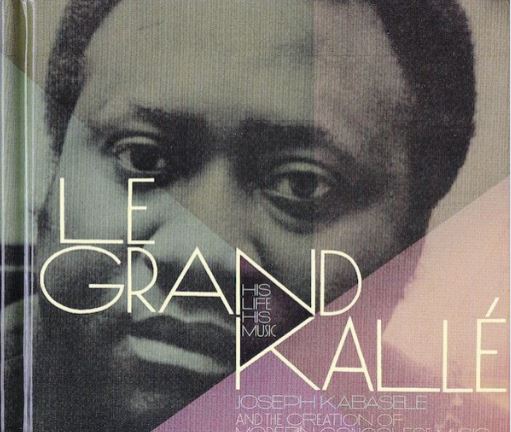
Joseph Athanase Tshamala Kabasele, known as Le Grand Kallé, the “father of Congolese music” and a beacon of Africa’s cultural spirit. Born on December 16, 1930, in Matadi, Kabasele’s music, through his band African Jazz and the iconic “Independence Cha Cha”, wove Congo’s dreams, struggles, and triumphs into a sound that resonated across the continent.
Imagine the streets of Léopoldville in 1960, alive with the rhythm of guitars, the pulse of congas, and voices singing in Lingala, celebrating a nation’s rebirth.
For those unfamiliar with African music, we guide you on a journey through Kabasele’s life, immersing you in the vibrant atmosphere of Congolese rumba and showcasing Africa’s resilience, unity, and love for community. While celebrating the continent’s talent and prosperity, we’ll also honour the pain of its colonial past, promoting Africa’s brilliance in 2025 with pride and hope.
Early Life: Matadi’s Melodic Roots (1930–1950)
Joseph Kabasele was born in Matadi, a bustling port city in the Belgian Congo, where the Congo River carried trade and culture. Growing up in a Kongo family, he was steeped in traditional music, marimba, drums, and call-and-response chants that echoed community life. His mother, a choir leader, introduced him to hymns, blending Christian melodies with Congolese rhythms. Matadi’s markets buzzed with maringa, a local dance music, and Cuban records brought by sailors, sparking Kabasele’s love for syncopated grooves.
The Belgian Congo was a land of beauty but also oppression. Colonial rule stripped Africans of rights, forcing labor and cultural suppression. Young Kabasele witnessed this injustice, yet found solace in music.
He sang in church choirs and taught himself guitar, dreaming of a stage where Congo’s voice could shine. By his teens, he moved to Kinshasa (then Léopoldville), a cosmopolitan hub where jazz, Cuban son, and African rhythms mingled. This vibrant city, despite colonial constraints, set the stage for his musical revolution.
The Birth of African Jazz: A New Sound Emerges (1950–1959)
In the early 1950s, Kabasele formed African Jazz, a band that would redefine African music. Kinshasa’s nightlife was electric, with shebeens and dancehalls hosting bands that fused Congolese maringa with Cuban son.
Kabasele, with his soulful voice and sharp songwriting, assembled a supergroup, including guitarist Docteur Nico, vocalist Tabu Ley Rochereau, and saxophonist Manu Dibango. Their sound, Congolese rumba, was a revelation, blending African percussion, Cuban guitar riffs, and jazzy horns into a danceable, emotive groove.
African Jazz’s early gigs at Kinshasa’s bars drew crowds eager to escape colonial hardships. Songs like “Para Fifi” celebrated love and community, their repetitive melodies and sébène (guitar-driven instrumental breaks) keeping dancers moving for hours.
Kabasele’s lyrics, sung in Lingala and French, spoke to everyday life, romance, struggle, and pride, making his music a mirror for Congolese aspirations. His charisma and polished arrangements earned him the nickname “Le Grand Kallé,” the great chief of Congo’s sound.
Kabasele’s vision extended beyond performance. In 1957, he founded Surboum African Jazz, Congo’s first African-owned record label. This bold move challenged colonial dominance over music production, allowing high-quality recordings that rivalled European standards.
By striking deals with Belgian labels, Kabasele ensured his music reached Francophone Africa and Europe, planting seeds for global influence.
Independence and “Independence Cha Cha” (1960)
The year 1960 was a turning point for Congo and Kabasele. As African nations fought for independence, Congo’s leaders negotiated freedom at the Brussels Round Table Conference. Kabasele, invited to perform, seized the moment.
He composed “Independence Cha Cha,” a jubilant anthem celebrating Congo’s liberation from Belgium. Released in June 1960, as Congo gained independence, the song’s lyrics, “Independence, cha-cha, we’ve won it”, listed key figures like Patrice Lumumba and political groups, uniting a diverse nation.
The song’s upbeat rhythm, with twinkling guitars and infectious horns, filled Kinshasa’s streets on June 30, 1960. Crowds danced, sang, and wept, their joy palpable after decades of colonial rule.
“Independence Cha Cha” wasn’t just Congo’s anthem; it became Africa’s, adopted by nations like Ghana and Algeria in their independence celebrations. Its Lingala verses and French phrases spoke to a continent breaking free, fostering pan-African solidarity. For Congolese, it was a call to unity, bridging ethnic and political divides in a fragile new nation.
Kabasele’s role in Brussels wasn’t just musical. Accompanying politicians, he embodied Congo’s cultural pride, showing the world that Africa’s talent rivalled its colonisers’.
African Jazz toured Europe, their polished suits and electrifying performances challenging stereotypes of African “primitiveness.” Kabasele’s music became a symbol of modernity, proving that Congo could lead on global stages.
The Golden Era: African Jazz’s Influence (1960–1970)
The 1960s were African Jazz’s zenith. Kabasele mentored stars like Rochereau and Dibango, launching careers that shaped African music. Songs like “Africa Mokili Mobimba” celebrated pan-African dreams, while romantic ballads like “Merenge Presidente” kept dancefloors packed.
The sébène, with Nico’s virtuosic guitar solos, became a rumba hallmark, inspiring bands across Africa. Kabasele’s arrangements, electric guitars, saxophones, and congas, modernised Congolese music, blending tradition with urban sophistication.
Kinshasa’s nightlife thrived, with African Jazz and rivals like O.K. Jazz defining a golden era. Congolese rumba influenced fashion, tailored suits and vibrant dresses, and dance, with couples swaying to rumba’s groove.
Kabasele’s Surboum label recorded both his band and competitors, fostering a vibrant industry. His music crossed borders, reaching East Africa, West Africa, and the Caribbean, where Cuban artists embraced their African roots.
Yet, Congo’s post-independence struggles, political instability, Lumumba’s assassination in 1961, and ethnic tensions cast shadows. Kabasele’s songs subtly addressed these challenges, advocating unity and resilience.
His praise-song tradition, honouring leaders and events, reinforced social cohesion, a practice later commercialised as “mabanga.” Through music, Kabasele held a fractured nation together, his voice a beacon of hope.
Global Reach and Industry Leadership (1970–1980)
In the 1970s, Kabasele’s influence grew. African Jazz toured Europe and the U.S., their performances at festivals like Paris’s Olympia showcasing Congo’s cultural wealth.
Kabasele collaborated with international labels, recording in Belgium for superior sound quality. His entrepreneurship through Surboum modernised Congo’s music industry, inspiring artists like Franco Luambo to follow suit. By mentoring talents like Rochereau, who formed Afrisa International, Kabasele ensured rumba’s evolution.
His music remained a cultural force. Songs like “Table Ronde” reflected Congo’s political journey, while romantic tracks like “Tika Kondima” captured universal emotions.
Kabasele’s vocal style, soulful, harmonised, and call-and-response, set a standard, dubbed the “African Jazz school.” His lyrics, blending Lingala’s poetry with French elegance, spoke to both rural and urban Congolese, uniting classes and regions.
Congo’s challenges persisted: Mobutu’s dictatorship, economic woes, and social divides, but Kabasele’s music offered solace. Rumba became Congo’s identity, played at weddings, funerals, and protests.
Kabasele’s cosmopolitan sound influenced African genres like Kenya’s benga and Nigeria’s highlife, proving Congo’s cultural leadership despite its pain.
Final Years and Legacy (1980–1983)
By the early 1980s, Kabasele’s health declined, but his passion endured. He performed sparingly, focusing, focusing on studio work and mentoring. On February 11, 1983, Kabasele passed away in Kinshasa at 52, leaving a void in African music.
Tributes poured in, with Kinshasa’s streets filled with mourners singing “Independence Cha Cha.” His funeral was a national event, reflecting his status as a cultural hero.
Kabasele’s legacy is monumental. Congolese rumba, his creation, remains Congo’s heartbeat, influencing soukous, ndombolo, and global genres like salsa.
African Jazz alumni like Rochereau and Dibango carried his torch, spreading rumba worldwide. “Independence Cha Cha” is still sung at Congo’s independence celebrations, a reminder of 1960’s hope amid ongoing challenges like conflict and poverty.
Kabasele in 2025: Africa’s Shining Star
In 2025, Kabasele’s spirit thrives. Kinshasa’s clubs pulse with his songs, and festivals like Fête de la Musique honour him. Documentaries like Rumba Rules (2024) and exhibits at Kinshasa’s National Museum celebrate his life. Artists like Fally Ipupa and Koffi Olomide cite him as inspiration, blending rumba with modern sounds.
Africa shines through Kabasele’s legacy. His music showcases the continent’s talent, resilience, and love for community. Rumba’s danceable joy reflects African prosperity, families gathering, markets bustling, and youth dreaming big.
Yet, his work acknowledges pain, colonial scars, political strife, and economic struggles, reminding us of Africa’s fight for dignity. Kabasele’s pan-African vision unites nations, from Congo to Kenya, Nigeria to South Africa, proving music can heal and inspire.
For those new to African music, Kabasele’s rumba is a gateway. Its swaying rhythms, soulful vocals, and guitar solos feel like a warm embrace, inviting you to dance and dream.
Picture a Kinshasa wedding, where “Independence Cha Cha” sparks laughter and tears, that’s Africa’s spirit. Rumba shares DNA with Afrobeat, makossa, and amapiano, all rooted in community and rhythm. Kabasele’s songs, from love ballads to anthems, speak to universal hopes, making them accessible yet profound.
Kabasele represents Africa’s heart, its talent, unity, and resilience. His music celebrates prosperity while honouring struggle, showing a continent that thrives despite adversity. In 2025, as Africa rises, through tech hubs, fashion, and global artists, Kabasele’s legacy reminds us of its cultural wealth. So, play “Independence Cha Cha,” sway to its cha-cha beat, and join Africa’s dance of pride, pain, and unbreakable spirit.
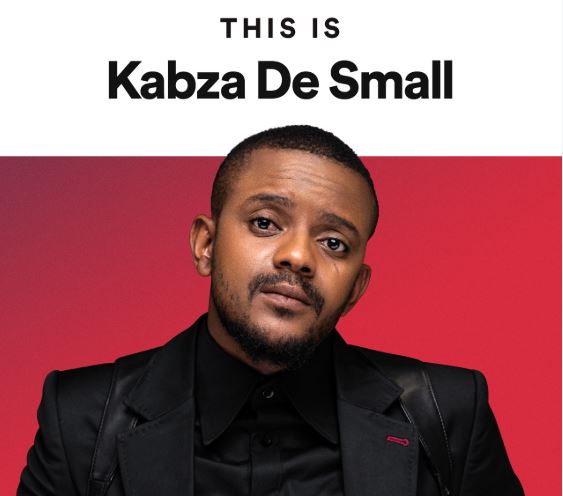
Step into the heart of a Pretoria township, where the night hums with the thump of log drums, the shimmer of jazzy piano chords, and the laughter of a crowd swaying under streetlights. This is the world of amapiano, a genre that’s taken South Africa and the globe by storm, and at its helm is Kabza De Small, the “King of Amapiano.”
Born Kabelo Petrus Motha on November 27, 1992, Kabza transformed from a plumber spinning tracks in his spare time to a global music icon, blending African rhythms with electronic beats to create a sound that’s as soulful as it is infectious.
For those new to African music, allow us to guide you through Kabza’s life, immersing you in the vibrant atmosphere of amapiano and its cultural significance in 2025. Get ready to feel the groove and discover why Kabza’s music is a celebration of township life and creative freedom.
Early Life: Pretoria’s Township Pulse (1992–2009)
Kabelo Motha was born in Mpumalanga but moved to Pretoria as a child, a city that would shape his musical destiny. Pretoria’s townships, like Alexandra and Atteridgeville, buzzed with a rich musical culture, jazz records spinning in shebeens, kwaito anthems blaring from taxis, and house music pulsing through house parties.
Kabza’s father, a DJ, introduced him to this world, playing records that mixed soulful melodies with driving beats. Young Kabelo soaked it up, tinkering with a piano and dreaming of creating his own sound.
Growing up in post-apartheid South Africa, Kabza witnessed a nation reborn but still grappling with inequality and township struggles. Music was a refuge and a rebellion, a way to express joy and resilience. By his teens, he was fascinated by electronic dance music (EDM) and Afrobeat, inspired by artists like Black Coffee and Oskido.
But life wasn’t easy, Kabza worked odd jobs, from plumbing to maintenance, to support himself. Yet, the township’s energy, its dancers, DJs, and dreamers, kept his passion alive, setting the stage for his musical journey.
The DJ Years: From Odd Jobs to Underground Fame (2009–2016)
In 2009, at 17, Kabza began DJing at local gigs, spinning deep house remixes at township parties and small clubs. Pretoria was a hotbed for musical experimentation, and Kabza dove in, blending house with jazz, kwaito, and Afrobeat.
His early sets were raw but captivating, with syncopated drums and soulful chords that made crowds move. Word spread through Pretoria’s underground scene, and Kabza’s name became synonymous with fresh, genre-bending sounds.
Balancing DJing with manual labor wasn’t glamorous, but it fueled Kabza’s hustle. He’d fix pipes by day and craft beats by night, teaching himself production on basic software. His persistence paid off in 2016 with his debut album, Avenue Sounds.
The album was a game-changer, introducing amapiano’s signature mix of melodic piano lines, deep bass, and jazzy harmonies. Tracks like “Ngifuna Wena” captured the township’s pulse, warm, inviting, and impossible to resist. Avenue Sounds moved amapiano from Pretoria’s shebeens to Johannesburg’s clubs, earning Kabza a growing fanbase and the attention of industry heavyweights.
The Birth of Amapiano: “Umshove” and Mainstream Breakthrough (2016–2018)
By 2016, amapiano was still an underground movement, but Kabza was shaping its identity. His production style, layered percussion, punchy log drum basslines, and soulful chords set the genre apart from its kwaito and house roots.
Amapiano, meaning “the pianos” in Zulu, was accessible, requiring only a laptop and creativity, making it a voice for township youth. Kabza’s gigs at house parties and local events spread the sound via social media, with fans sharing grainy videos of his sets.
In 2018, Kabza’s single “Umshove,” featuring vocalist Leehleza, exploded. Its hypnotic log drum beat and catchy chant, “Umshove, umshove!”, lit up South African dancefloors and crossed borders to Nigeria, the UK, and beyond.
The track’s success marked amapiano’s mainstream arrival, with Kabza as its poster child. “Umshove” wasn’t just a song; it was a cultural moment, evoking sweaty township nights where strangers danced as one. Kabza’s star was rising, and he was about to find a partner to amplify his vision.
Scorpion Kings: The Game-Changing Collaboration (2018–2019)
In 2018, DJ Maphorisa, a South African music mogul, heard “Umshove” and booked Kabza for a Soweto show. Their chemistry was instant; Maphorisa’s knack for vocals and songwriting meshed perfectly with Kabza’s production wizardry.
They began collaborating, naming themselves the Scorpion Kings after their shared Scorpio zodiac sign and the desert-like vibe of their beats, evoking ancient Egypt’s mystique.
Their first single, “Koko,” dropped in 2019, followed by the album Scorpion Kings in July. The project was a sensation, blending amapiano’s groove with pop sensibilities. Tracks like “Vula Vala” and “Amantombazane” dominated radio and streaming platforms, their jazzy chords and infectious rhythms filling clubs from Cape Town to London.
Fans praised the duo’s seamless synergy, and Scorpion Kings cemented amapiano’s place in the mainstream. Kabza’s meticulous production, layering shakers, congas, and reverb-soaked pads, gave the album a polished yet soulful feel, like a township party elevated to global stages.
The King of Amapiano: Global Stardom and I Am the King (2019–2020)
Kabza’s solo career soared alongside his Scorpion Kings success. In 2019, he released Pretty Girls Love Amapiano and Piano Hub, albums that showcased his versatility and cemented his nickname, the “King of Amapiano.” Tracks like “Nana Thula” and “Sponono” wove live guitar melodies and vocal collaborations, adding warmth to his electronic sound. His music was everywhere, taxi ranks, festivals, and international playlists, spreading amapiano’s gospel.
In 2020, Kabza dropped I Am the King of Amapiano: Sweet & Dust, a double platinum-certified masterpiece. The album, with 27 tracks, was a love letter to the genre, blending introspective ballads like “Sthandwa” with bangers like “Tender Love.”
Its lush production, featuring layered keys, filtered effects, and live instruments, felt like a journey through Pretoria’s streets, from quiet dawn to electric nights. The album earned Kabza multiple South African Music Awards (SAMAs) and a spot on the Forbes Africa 30 Under 30 list, ranking him at number 18.
Kabza’s global impact was undeniable. Amapiano lit up clubs in London, Lagos, and New York, with artists like Drake and Wizkid embracing its sound. Kabza collaborated with international stars like Burna Boy and local heroes like Samthing Soweto, bridging the African and global music scenes. His PianoHub label nurtured talents like Young Stunna, ensuring amapiano’s future.
Cultural Impact: Amapiano’s Township Soul (2020–2023)
Amapiano isn’t just music, it’s a lifestyle. Kabza’s tracks, with their repetitive grooves and township slang, capture the joy and resilience of South African communities.
Songs like “Abalele” (2021) evoke communal celebrations, where dancers in sneakers and bucket hats move in sync under starry skies. Amapiano’s fashion, baggy tees, colourful sneakers, and African-inspired prints, owes much to its township roots, with Kabza as a style icon.
The genre also carries political weight. While less explicit than kwaito’s anti-apartheid anthems, amapiano reflects post-apartheid realities, unemployment, inequality, and the hustle of township life.
Kabza’s music celebrates survival and creativity, offering hope amid struggle. His 2022 album KOA II Part 1 addressed these themes subtly, with tracks like “Khuluma Imali” nodding to economic aspirations.
Kabza’s accolades piled up. By 2023, he’d won 13 SAMAs, including Best Amapiano Album, and performed at global festivals like Coachella and Afro Nation. His streams on Spotify and Apple Music made him one of South Africa’s most streamed artists, with “Umshove” surpassing 100 million plays. Yet, Kabza stayed grounded, emphasising amapiano’s township origins in interviews, crediting Pretoria’s shebeens for his sound.
Controversies and Resilience (2023–2025)
Unlike some peers, Kabza has largely avoided scandal, focusing on his craft. However, the amapiano scene hasn’t been without drama. In 2023, debates over song credits and royalties surfaced, with some artists claiming producers like Kabza underpaid vocalists. Kabza addressed these concerns indirectly, emphasising fair collaboration through PianoHub. His transparency and work ethic kept his reputation intact.
The pressures of fame also tested Kabza. In a 2024 interview, he spoke candidly about burnout, balancing relentless touring with studio time. Yet, his passion for music prevailed. He released KOA II Part 2 in 2024, a critically acclaimed follow-up that blended amapiano with gospel and R&B, showcasing his evolution. Tracks like “Imithandazo” resonated with fans, its spiritual lyrics and soaring melodies offering solace in tough times.
Kabza in 2025: A Global Legacy
In 2025, at 32, Kabza De Small remains amapiano’s heartbeat. His recent single “Dust” with Scorpion Kings and Focalistic is a club banger, its log drum pulse and jazzy chords dominating airwaves.
He’s headlining global festivals, from Tomorrowland to South Africa’s Oppikoppi, and collaborating with artists like Tems and Major Lazer. PianoHub continues to thrive, signing rising stars like Kelvin Momo, ensuring amapiano’s legacy.
Amapiano’s global reach is staggering. In 2025, the genre influences pop, hip-hop, and EDM, with Beyoncé and Chris Brown sampling its sound. Documentaries like Amapiano: The Sound of Freedom (2025) and exhibits at Johannesburg’s Museum Africa celebrate Kabza’s role. His music streams billions annually, and Pretoria’s townships host amapiano festivals, drawing tourists worldwide.
Kabza’s cultural impact endures. Amapiano fosters unity, bridging racial and economic divides in South Africa. While it hasn’t boosted voter turnout, youth participation in the 2024 elections was low, it raises awareness of social issues through subtle lyricism. It’s fashion and dance, from sgubhu moves to colourful streetwear, that define global trends, with Kabza as a cultural ambassador.
A Gateway to African Music
For those new to African music, amapiano is an inviting entry point. Its repetitive beats, soulful melodies, and danceable grooves echo EDM and hip-hop, but its township slang and jazzy chords tell a uniquely South African story.
Picture a Pretoria shebeen, where “Umshove” blasts, and strangers dance as friends, that’s amapiano’s magic. Kabza’s music, from “Sponono” to “Abalele,” invites you to move and feel, blending celebration with the resilience of township life.
Amapiano shares DNA with African genres like Nigeria’s Afrobeat and Cameroon’s makossa, all rooted in community and rhythm. Kabza’s production, layered percussion, log drums, and live guitars create a sound that’s universal yet deeply local. His tracks are perfect for a club night or a reflective moment, making them accessible to all.
The King’s Unstoppable Groove
Kabza De Small’s journey, from a Pretoria plumber to the “King of Amapiano”, is a testament to music’s power to transcend hardship and unite cultures. His hits, from “Umshove” to “Imithandazo,” capture the joy, struggle, and creativity of South Africa’s townships, spreading amapiano’s gospel worldwide.
In 2025, as the genre shapes global music and fashion, Kabza remains at its heart, crafting beats that make the world dance. For newcomers, his music is an invitation to explore African music’s vibrancy, where every chord tells a story of resilience and celebration. So, plug in your headphones, play “Abalele,” and let Kabza De Small take you to the soul of Pretoria’s streets, where the music never stops.
“The music industry is a survival-of-the-fittest game which needs sharp skills and a good understanding of how things are done.”
Picture a vibrant township street in Soweto, where the air hums with percussive beats, infectious chants, and the swagger of youth dressed in baggy jeans and bucket hats. This is the world of kwaito, a genre that became the soundtrack of post-apartheid South Africa, and at its heart stands Arthur Mafokate, the “King of Kwaito.”
Born on July 10, 1969, Mafokate transformed South African music with his bold lyrics, danceable rhythms, and unapologetic celebration of township life. His journey, from a dancer to a pioneering musician, producer, and cultural icon, is a story of creativity, controversy, and resilience.
For those new to African music, we will guide you through Mafokate’s life, bringing the electric atmosphere of kwaito to life while exploring its cultural and political significance in 2025.
Early Life: Soweto Roots and a Musical Spark (1969–1990)
Arthur Mafokate was born in Soweto, a sprawling township near Johannesburg, during the dark days of apartheid. His father, Enos Mafokate, made history as South Africa’s first Black Olympic equestrian, instilling in Arthur a sense of determination and pride.
Growing up in a segregated society, Arthur witnessed the struggles of township life, poverty, racial oppression, and limited opportunities, but also its vibrant culture, where music and dance were acts of resistance and joy.
As a child, Arthur took piano lessons, nurturing a love for music that complemented his passion for dance. Soweto’s streets pulsed with traditional genres like mbaqanga, a jazzy, rhythmic style, and the emerging sounds of American hip-hop and house music, smuggled in despite apartheid’s censorship.
By his teens, Arthur was captivated by performance, joining dance crews and soaking up the energy of township gatherings. His early exposure to music and movement laid the foundation for what would become kwaito, a genre that would give voice to a generation.
From Dancer to Dreamer: The Early Career (1990–1994)
In his early 20s, Arthur’s charisma and talent shone through. In 1992, he won the “Mr Soweto” modelling competition, a testament to his charm and stage presence.
But dancing was his true calling. He worked as a backing dancer for South African music legends like Brenda Fassie, whose fiery performances inspired him, and Monwa & Son and Johnny Mokhali.
These gigs gave Arthur a front-row seat to the music industry, teaching him how to command a crowd and harness the stage’s electric atmosphere. Dancing wasn’t just a job, it was a stepping stone.
Arthur studied the interplay of rhythm and movement, learning how music could move bodies and souls. Inspired by Fassie’s bold lyrics and the raw energy of township life, he began experimenting with music production.
The end of apartheid in 1994 brought a wave of freedom and possibility, and Arthur saw an opportunity to create something new, a sound that would capture the optimism and struggles of Black South African youth.
The Birth of Kwaito: Windy Windy and “Kaffir” (1994–1995)
In 1994, Arthur released his debut album, Windy Windy, under his newly founded 999 Music Label. The album introduced kwaito, a genre that fused mbaqanga’s soulful rhythms with hip-hop’s beats, house music’s electronic pulse, and township slang. The track “Amagents Ayaphanda” became a hit, its catchy hooks and danceable groove resonating with Soweto’s youth. Kwaito was accessible, requiring minimal equipment and formal training, making it a powerful tool for township artists to express themselves.
But it was 1995’s “Kaffir” that catapulted Arthur to fame and cemented his title as the “King of Kwaito.” The song, with its pounding bass and provocative lyrics, confronted the racial slur head-on, reclaiming it as a defiant anthem of post-apartheid identity.
Selling over 500,000 copies, “Kaffir” sparked heated debate and faced censorship attempts, but its raw honesty struck a chord. For many, it was a declaration of freedom, reflecting the pain of apartheid’s legacy and the hope of a new era. Arthur’s use of township slang and call-and-response chants made the song feel like a community rallying cry.
The King of Kwaito: Hits and Cultural Impact (1996–2000)
Through the late 1990s, Arthur solidified his reign with a string of hits. His 1998 single “Oyi Oyi” won Song of the Year at the South African Music Awards, its infectious rhythm and playful vibe filling dancefloors. Tracks like “Mnike,” “Twalatsa,” and “Zombo” showcased his signature style: heavy basslines, repetitive hooks, and lyrics that mixed celebration with social commentary. Arthur also introduced dance styles like twalatsa and qopetsa, energetic moves that became synonymous with kwaito’s street culture.
Kwaito wasn’t just music, it was a lifestyle. Arthur’s influence extended to fashion, with fans emulating his baggy jeans, Dickies tracksuits, bucket hats, and vibrant African-inspired patterns.
The pantsula dance style, with its sharp, coordinated steps, became a visual extension of kwaito, blending tradition with urban flair. Through his 999 Music Label, Arthur nurtured talents like Hip Hop Pantsula and Lira, shaping the next generation of South African artists.
Kwaito’s rise mirrored South Africa’s transition. The genre gave Black youth a voice to address poverty, inequality, and the HIV/AIDS crisis, while celebrating their newfound freedom. Songs often wove in anti-apartheid chants, connecting the music to the struggle. Arthur’s bold lyrics, like those in “Kaffir,” sparked public discourse, challenging social norms and amplifying township realities.
Beyond Music: A Multifaceted Career (2000–2010)
As kwaito evolved, Arthur diversified his career. He ventured into television presenting, leveraging his charisma to connect with audiences. His modelling background and industry connections made him a sought-after figure in South Africa’s growing entertainment scene. Meanwhile, his label continued to thrive, signing artists who carried kwaito’s torch into the 2000s.
Arthur’s music remained a cultural force. Tracks like “Koti Koti,” “Poppe Dans,” and “Seven Phezulu” kept him relevant, blending kwaito with emerging genres like amapiano and Afro-house.
His ability to adapt while staying true to kwaito’s roots earned him respect as a pioneer. In 2004, he released Sika Lekhekhe, a hit that showcased his knack for crafting anthems that resonated across generations.
Offstage, Arthur advocated for artists’ rights, though not without controversy. His involvement with the Southern African Music Rights Organisation (SAMRO) highlighted his commitment to fair royalties, but it also drew scrutiny, as we’ll explore later. His influence on youth culture was undeniable, fostering a sense of pride and identity in a nation healing from division.
Controversies and Challenges (2010–2023)
Arthur’s career hasn’t been without turbulence. In 2017, singer Cici, his then-partner and 999 Music signee, accused him of physical abuse, leading to his arrest and hospitalisation for her injuries.
The case gripped headlines, but Arthur was acquitted in 2019 by the Midrand Magistrate Court. The controversy tarnished his image, though his supporters stood by him. In 2018, Arthur faced legal issues at SAMRO, where he served on the board. He and other members were sued for unlawful enrichment, accused of overpaying themselves by R1.6 million, with Arthur allegedly receiving R84,000.
The scandal, coupled with SAMRO’s underpayment of artist royalties, fueled criticism. Arthur also faced allegations of payola (bribery for radio play), though he publicly decried such practices.
In 2023, Arthur was implicated in a high-profile scandal involving R56 million in misappropriated National Lotteries Commission funds meant for community development.
Authorities froze properties linked to the case, including one tied to Arthur. He denied receiving R10 million from the National Arts Council, clarifying that his companies’ applications didn’t yield the alleged sums.
Rumours of a relationship with singer Kelly Khumalo also sparked social media buzz, adding to his public scrutiny. Despite these challenges, Arthur’s resilience shone through.
He continued to produce music and mentor artists, proving his staying power in a fickle industry.
Kwaito’s Legacy and Arthur’s Recent Work (2023–2025)
In 2025, Arthur Mafokate remains a towering figure in South African music. His recent collaboration with Kelly Khumalo on the Afro-soul track “Ngeke” shows his versatility, blending kwaito’s roots with soulful melodies.
At 55, he continues to perform, produce, and inspire, with his 999 Music Label nurturing new talent. Kwaito’s influence endures, shaping genres like amapiano, a global phenomenon with its log-drum beats and jazzy chords.
Documentaries like Kwaito: The Sound of Freedom (2024) and retrospectives at events like the Soweto Music Festival celebrate his contributions. His 2016 Lifetime Achievement Award at the Metro FM Music Awards underscores his lasting impact.
Kwaito’s cultural legacy is profound. While it didn’t directly boost voter turnout, youth participation in the 2024 elections remained low, kwaito raised political awareness. Songs like “Kaffir” sparked debates on race and identity, while the genre’s use of local languages fostered pride and unity. It’s fashion, baggy jeans, tracksuits, and bucket hats, remain iconic, influencing South African streetwear today.
Why Kwaito Matters: A Window into African Music
For those unfamiliar with African music, kwaito offers an accessible entry point. Its repetitive beats, catchy hooks, and danceable rhythms echo the universal appeal of hip-hop and EDM, while its lyrics tell uniquely South African stories. Imagine a club where the DJ drops “Oyi Oyi,” and the crowd erupts, moving to a beat that carries the weight of history and the joy of freedom. That’s kwaito’s magic.
Arthur Mafokate’s music reflects the township’s pulse, its struggles, dreams, and unbreakable spirit. Tracks like “Twalatsa” and “Mnike” invite you to dance, while “Kaffir” challenges you to think. His fusion of mbaqanga, hip-hop, and house mirrors the diversity of African music, from Nigeria’s Afrobeat to Cameroon’s makossa. Kwaito’s emphasis on self-expression and community resonates with anyone who’s ever found solace in a song.
The King’s Enduring Reign
Arthur Mafokate’s journey, from a Soweto dancer to the “King of Kwaito”, is a testament to music’s power to transform and unite. His hits, from “Kaffir” to “Ngeke,” capture the highs and lows of post-apartheid South Africa, blending celebration with social critique.
Despite controversies, his influence on music, fashion, and youth culture remains unmatched. In 2025, as kwaito’s legacy thrives in amapiano and beyond, Arthur stands as a pioneer who gave voice to a generation.
For newcomers to African music, his work is an invitation to explore a sound that’s as vibrant and resilient as the people who created it. So, put on “Oyi Oyi,” feel the beat, and step into the world of kwaito, where the township’s heart still beats loud.
“Back home, people considered me European, and Europe treated me as an American. For Uncle Sam, I was an African making African music.” ― Manu Dibango, Three Kilos of Coffee: An Autobiography
Imagine a sound that pulses with the vibrant rhythms of Cameroon, weaves through the smoky improvisations of jazz, and grooves with the infectious energy of funk and soul.
This is the world of Manu Dibango, a Cameroonian saxophonist, composer, and bandleader whose music built bridges between continents and genres. Known as “Pappy Grove,” Dibango’s life was a six-decade odyssey of innovation, collaboration, and cultural fusion, leaving an indelible mark on global music.
From his 1972 hit “Soul Makossa” to his tireless advocacy for artists’ rights, Dibango’s story is one of rhythm, resilience, and a relentless curiosity that brought African music to the world stage. Let’s journey through his life, exploring the atmosphere of his music and the legacy he left behind.
Early Life: Roots in Douala, Cameroon (1933–1950)
Born Emmanuel N’Djoké Dibango on December 12, 1933, in Douala, Cameroon, Manu grew up in a culturally rich environment that shaped his musical soul. His father, a Yabassi civil servant, and his mother, a Duala choir leader, exposed him to a blend of ethnic traditions, languages, and sounds.
Douala, a bustling port city, hummed with local rhythms like makossa a danceable genre rooted in syncopated beats and call-and-response vocals, and the influences of Congolese rumba and Western jazz.
Manu’s mother’s church choir introduced him to harmonious melodies, while street performances and local festivities immersed him in Cameroon’s percussive grooves.
As a child, Manu absorbed these sounds like a sponge, unaware that they would form the bedrock of his future innovations. His early exposure to makossa, with its lively basslines and communal energy, instilled a sense of rhythm and cultural pride.
By his teens, Cameroon was under French colonial rule, and Manu’s parents sent him to France in 1949 for education, hoping to secure his future. Little did they know, this move would set him on a path to musical stardom.
France and the Seeds of Jazz (1950–1956)
At 15, Manu arrived in Saint-Calais, France, carrying a suitcase and a curiosity for the world. While studying in Chartres and later Reims, he discovered Western music through records by Duke Ellington and Louis Armstrong.
The saxophone, with its soulful wail, captivated him, and he began teaching himself to play. France’s post-war jazz scene was thriving, and Manu soaked up its improvisational spirit, blending it with the Cameroonian melodies still vivid in his memory.
In 1956, Manu moved to Brussels, Belgium, a pivotal moment in his musical evolution. At 22, he joined the vibrant African and European music scene, learning the vibraphone and honing his saxophone skills.
As bandleader at Les Anges Noires jazz club, he jammed with Belgian musicians and African expatriates, encountering styles like highlife and Congolese rumba.
It was here that Manu met Joseph Kabasele, known as Grand Kallé, leader of African Jazz. Kabasele’s fusion of Congolese rhythms with jazz resonated deeply, sparking Manu’s lifelong passion for cross-cultural experimentation.
African Jazz and the Congolese Crucible (1960–1963)
In 1960, Manu joined African Jazz, a move that plunged him into the heart of African popular music. The band toured Europe before relocating to Léopoldville (now Kinshasa) in the newly independent Democratic Republic of the Congo.
The Congo was a musical hotbed, with Congolese rumba, a blend of African percussion, Cuban influences, and jazz, electrifying the continent. Working with Kabasele, Manu played saxophone and piano, contributed to arrangements, and co-produced tracks like “Indépendance Cha Cha,” an anthem celebrating African liberation.
This period was transformative. Manu absorbed the rhythmic complexity of rumba, sharpened his compositional skills, and embraced a pan-African perspective, collaborating with musicians from across the continent.
The Congo’s cosmopolitan energy inspired him to dream bigger, envisioning a sound that could unite African traditions with global genres. By 1963, after three years with African Jazz, Manu returned to Cameroon, brimming with ideas and ready to carve his path.
Paris and the Birth of a Signature Sound (1963–1972)
Back in Cameroon, Manu opened a club in Douala, blending local makossa with jazz and soul. But political instability and limited opportunities pushed him to Paris in the mid-1960s.
Paris, a hub for African and Caribbean musicians, offered creative freedom. Manu gigged relentlessly, experimenting with makossa’s syncopated rhythms, jazz improvisation, and the emerging sounds of funk and soul. His saxophone wove Cameroonian melodies with Western grooves, while his vibraphone added a shimmering, jazzy texture.
In 1972, Manu recorded Soul Makossa, a track that would change his life and the course of global music. Originally a B-side for an anthem commissioned for the Africa Cup of Nations, the song was a vibrant fusion of makossa’s danceable beat, funky basslines, and Manu’s soulful saxophone.
Its infectious chant, “ma-mako, ma-ma-sa, mako-mako-ssa”, meant “dance” in Duala, his mother’s language. Discovered by DJ David Mancuso at New York’s Loft parties, Soul Makossa exploded in the U.S. disco scene, becoming a global hit.
Soul Makossa catapulted Manu to international fame, earning a Grammy nomination in 1974 and establishing him as a pioneer of world music.
Throughout the 1970s and 1980s, he released albums like Africadelic (1975) and Gone Clear (1980), blending makossa with reggae, disco, and Afro-funk. His music was a celebration of cultural fusion, featuring grooving horn sections, intricate percussion, and lyrics in Duala, French, and English. Manu’s concerts were electrifying, with audiences swaying to his infectious rhythms and improvisational flair.
Manu’s collaborative spirit shone brightly. He worked with Nigerian Afrobeat legend Fela Kuti, jazz icon Herbie Hancock, South African group Ladysmith Black Mambazo, and Cuban musician Eliades Ochoa.
These partnerships enriched his sound, weaving in Afrobeat’s polyrhythms, jazz’s harmonic complexity, and Latin grooves. His 1985 album Electric Africa embraced electronic production, showcasing his willingness to evolve with the times.
Beyond performing, Manu championed musicians’ rights. As the first chairman of the Cameroon Music Corporation, he advocated for fair royalties and recognition for African artists. His global outlook and commitment to cultural exchange earned him a UNESCO Artist for Peace designation in 2004.
Later Years and Enduring Legacy (1990–2020)
In the 1990s and 2000s, Manu continued to innovate. His 1994 album Wakafrika reimagined African classics with artists like Youssou N’Dour and King Sunny Adé, while CubAfrica (1998) fused makossa with Cuban son. At 60, he showed no signs of slowing down, touring globally and mentoring young musicians. His music remained a joyful dialogue between Africa and the world, grounded in Cameroon’s rhythms but open to new influences.
Manu’s later years were marked by reflection and recognition. He published an autobiography, Three Kilos of Coffee, detailing his journey from Douala to global stages. In 2019, he celebrated his 85th birthday with a concert in Paris, his saxophone still commanding the stage. Tragically, Manu contracted COVID-19 and passed away on March 24, 2020, in Paris at 86. Tributes poured in from artists and fans worldwide, celebrating his warmth, generosity, and musical genius.
Manu Dibango’s Legacy in 2025
Today, in 2025, Manu Dibango’s influence reverberates across genres and generations. Soul Makossa remains a cornerstone of dance music, sampled in countless tracks and played in clubs from Lagos to Los Angeles.
His fusion of makossa with jazz, funk, and soul laid the groundwork for the world music genre, inspiring artists like Burna Boy, Angelique Kidjo, and Vampire Weekend. His use of indigenous languages and instruments highlighted Africa’s cultural richness, encouraging a new generation to embrace their heritage.
Manu’s advocacy for artists’ rights continues to resonate, with organisations like the Cameroon Music Corporation building on his efforts to protect musicians’ livelihoods.
Documentaries and retrospectives, such as the 2023 film Manu Dibango: Soul Makossa Man, celebrate his life, while festivals like Cameroon’s Douala Music Festival honour his contributions to makossa.
Conclusion: A Bridge of Rhythm and Soul
Manu Dibango’s life was a testament to the power of music to transcend borders and unite cultures. From the church choirs of Douala to the jazz clubs of Brussels, the rumba-filled streets of Kinshasa, and the global stages of Paris and New York, he carried Cameroon’s rhythms to the world.
His music, alive with makossa’s pulse, jazz’s spontaneity, and funk’s groove, invites listeners to dance, reflect, and connect. For those new to African music, Manu’s work is an accessible entry point, offering a sound that’s both universal and deeply rooted in his Cameroonian heritage. As we listen to his saxophone soar in 2025, we’re reminded that Manu Dibango didn’t just play music, he built a bridge that continues to inspire and unite us all.