Brenda Fassie: Queen of African Pop

“Life is too short to waste on negativity; surround yourself with positive energy.”

Imagine a voice so powerful it could pierce through the chaos of a township street, a melody so infectious it could bring a wedding to its feet, and a spirit so bold it challenged an oppressive regime. This was Brenda Fassie, South Africa’s “Queen of African Pop,” a singer, songwriter, dancer, and activist whose music became the heartbeat of a nation during its darkest and most hopeful times.

Known affectionately as “MaBrrr” to her fans, Fassie was a whirlwind of talent and controversy, a woman whose life was as vibrant and turbulent as the songs she sang. For those unfamiliar with African music, Brenda Fassie’s story offers a vivid entry point into the soul of South African pop, a genre shaped by struggle, resilience, and celebration.

Early Life: A Star Born in Langa

Brenda Nokuzola Fassie was born on November 3, 1964, in Langa, a township near Cape Town, South Africa. The youngest of nine children, she grew up in a working-class family steeped in music. Her mother, Sarah, was an amateur pianist, and her father, a singer, filled their home with harmony until his death when Brenda was just two years old.

Named after American country singer Brenda Lee, young Brenda seemed destined for the stage. By age four, she was already performing, forming a vocal group called the Tiny Tots and singing for tourists who paid to hear her precocious voice. Her mother’s piano accompanied her, and the township’s dusty streets became her first stage.

Langa, like many black townships under apartheid, was a place of hardship and vibrancy. Apartheid, South Africa’s system of racial segregation, confined black families to overcrowded, under-resourced areas, yet these communities pulsed with culture.

Music was everywhere, church choirs, street performers, and radio hits blending African rhythms with Western pop. Brenda absorbed it all, her voice maturing far beyond her years. By her teens, she was a local celebrity, her performances drawing crowds who marvelled at her raw talent.
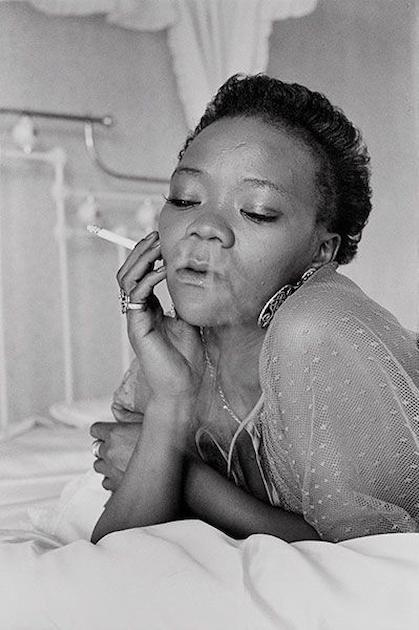
Brenda Fassie

The Big Break: From Langa to Soweto

In 1981, at just 16, Brenda’s life changed forever. Renowned music producer Hendrick “Koloi” Lebona heard of her talent and visited her family’s home in Langa. “There was something special about her voice,” he later recalled. “I knew it was the voice of the future.”

Brenda, with her characteristic boldness, asked, “So when are we going to Joburg?” Lebona agreed to take her to Soweto, Johannesburg’s sprawling black township, to pursue her dreams, promising she could finish her education while living with his family.

Soweto was the epicentre of South Africa’s urban black culture, a place where music and politics collided. The 1976 Soweto Uprising, where students protested against apartheid education policies, had left a deep mark, and the township was alive with resistance.

Brenda arrived in this charged atmosphere, joining the vocal trio Joy before becoming the lead singer of Brenda and the Big Dudes, a township pop group.

In 1983, they released “Weekend Special,” a disco-flavoured track about a woman refusing to be a part-time lover. The song was an instant hit, selling over 200,000 copies and becoming the fastest-selling record in South Africa at the time. Its catchy beat and relatable lyrics resonated not just locally but internationally, leading to tours in the United States, Europe, Australia, and Brazil.

“Weekend Special” was a product of “bubblegum” pop, a genre that defined South African music in the 1980s. Bubblegum blended African rhythms, jazz, and disco with slick production, creating upbeat, danceable tracks that masked deeper social commentary.

For black South Africans, music was a form of escape and resistance, a way to assert joy and identity under apartheid’s oppression. Brenda’s voice bold, emotive, and unmistakably African, made her the genre’s brightest star.

Rise to Stardom: The Queen of African Pop

By the late 1980s, Brenda was a household name, her fame cemented by a string of hits and her electrifying stage presence. She left the Big Dudes to pursue a solo career, partnering with producer Sello “Chicco” Twala to create the 1989 album Too Late for Mama. The album, which went platinum, included “Black President,” a tribute to the imprisoned Nelson Mandela.

Banned by the apartheid government, the song became an anthem of hope, envisioning a future where Mandela would lead a free South Africa.

Brenda’s willingness to sing in Zulu, Xhosa, and Sotho, rather than English, was a powerful statement of African pride, resonating with township audiences who saw her as their voice. Brenda’s music was deeply rooted in the township experience. Songs like “Too Late for Mama” told stories of everyday struggles—poverty, love, and loss—while tracks like “Vulindlela” (1997) celebrated life’s joys, becoming a staple at weddings and parties across Africa. Her ability to blend kwaito (a post-apartheid genre mixing house, hip-hop, and African rhythms) with bubblegum pop kept her relevant as musical tastes evolved.

Her 1998 album Memeza was South Africa’s best-selling release that year, with “Vulindlela” earning Song of the Year at the South African Music Awards (SAMAs).

The album’s success, selling over 50,000 copies on its first day, showcased her enduring appeal. Brenda’s performances were legendary. She danced with abandon, her outfits, metallic bras, spandex, and knee-length boots, pushing boundaries in a conservative society.

At the 2001 KORA All Africa Music Awards, she captivated audiences by handing Nelson Mandela a banana mid-performance, a playful act that underscored her fearless charisma.

Time Magazine dubbed her the “Madonna of the Townships” in 2001, a nod to her provocative style and cultural impact. But unlike Madonna, Brenda’s music was inseparable from South Africa’s political struggle, giving voice to the disenfranchised and inspiring a generation.

Personal Struggles: The Cost of Fame

Brenda’s life offstage was as dramatic as her performances. Fame brought wealth, but also chaos. She spent lavishly on cars, houses, and parties, often giving away her earnings to friends and fans, sometimes leaving herself broke.

Her personal life was a tabloid fixture: a brief marriage to Nhlanhla Mbambo (1989–1991) ended in divorce, and her relationship with her son, Bongani, born in 1985 to Big Dudes musician Dumisani Ngubeni, was strained by her hectic lifestyle. Bongani later followed in her footsteps, performing “I’m So Sorry” on the Tsotsi soundtrack and pursuing a hip-hop career.

Brenda’s struggles with addiction cast a long shadow. By the early 1990s, cocaine had taken hold, derailing her career. She checked in and out of rehab, her erratic behaviour fuelling media scrutiny.

In 1995, she was found in a hotel with the body of her lover, Poppie Sihlahla, who had died of an overdose, a tragedy that pushed Brenda into rehab again. Her openness about her bisexuality, she later had a long-term relationship with Gloria Chaka, shocked conservatives but inspired others, paving the way for black South African celebrities to come out.

Despite these challenges, Brenda’s resilience shone through. Her 1996 comeback album Now Is the Time, featuring duets with Congolese legend Papa Wemba, marked a triumphant return. Albums like Nomakanjani (1999) and Amadlozi (2000) went multi-platinum, proving her ability to reinvent herself. She toured Africa and America, her music uniting diverse audiences. Yet addiction remained a constant battle, and her health began to falter.

The Final Chapter: A Tragic End

On April 26, 2004, Brenda collapsed at her home in Buccleuch, Gauteng. Initially reported as an asthma attack, a post-mortem revealed she had overdosed on cocaine, slipping into a coma that caused brain damage from lack of oxygen.

Hospitalised in Sunninghill, she was visited by Nelson Mandela, Winnie Mandela, and Thabo Mbeki, a testament to her cultural significance. Her condition dominated headlines, but on May 9, 2004, at age 39, Brenda passed away after her life support was turned off. Her family, including Bongani and Gloria Chaka, was by her side.

The nation mourned. Tributes poured in, and a life-size bronze sculpture of Brenda was unveiled in Johannesburg in 2006, capturing her mid-performance. Her death was a stark reminder of the toll fame and addiction could take, but it did not diminish her legacy.

Legacy: The Spirit of MaBrrr

Brenda Fassie’s music was more than entertainment; it was a lifeline for black South Africans during apartheid and a celebration of their resilience in its aftermath.

Her discography, over 22 albums, 19 singles, and 17 compilations, spans bubblegum pop, kwaito, and Afropop, reflecting the evolution of South African music. Hits like “Weekend Special,” “Vulindlela,” and “Black President” remain cultural touchstones, played at parties, protests, and memorials.

Her influence endures in artists like Zahara and Busiswa, who draw on her fearless energy, and in global stars like Burna Boy, whose Afrobeats echo her blend of local and universal sounds.

Brenda’s activism, her outspokenness against apartheid, her township visits, and her unapologetic identity. made her a symbol of freedom. She showed young black South Africans, especially women, that they could be bold, flawed, and extraordinary.

For those new to African music, Brenda Fassie’s story is a gateway to understanding its power. It’s music born of struggle, infused with joy, and carried by voices that refuse to be silenced. Brenda was South Africa’s first black pop star, a “shocker” who lived fiercely and loved deeply. Her voice still echoes, inviting you to dance, to feel and to fight for what matters.
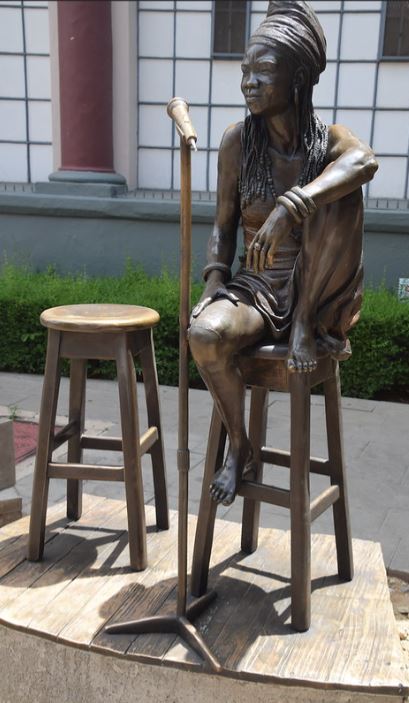
Bronze sculpture of Brenda (MaBrrr)

A Moment with MaBrrr

In Newtown’s bustling heart, outside the Bassline club, Brenda Fassie sits in bronze, forever frozen in song. Unveiled on March 9, 2006, as part of the Sunday Times Heritage Project, Angus Taylor’s life-size sculpture captures the “Queen of African Pop” on a barstool, microphone poised, her spirit electric. An empty stool beside her invites you to sit, to “chill” with MaBrrr. Here, amid Johannesburg’s pulse, her legacy sings, bold, unapologetic, eternal. A rebel, a diva, a voice for the ages, Brenda’s bronze gaze sparks joy, urging all to live fiercely and love freely.
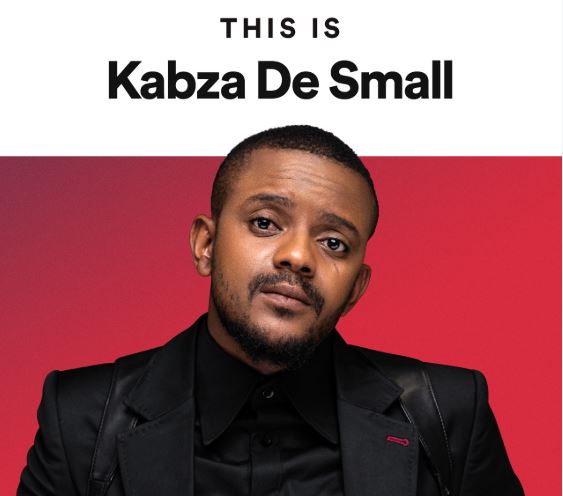
Kabza De Small: The King of Amapiano and the Soul of South Africa’s Townships

Step into the heart of a Pretoria township, where the night hums with the thump of log drums, the shimmer of jazzy piano chords, and the laughter of a crowd swaying under streetlights. This is the world of amapiano, a genre that’s taken South Africa and the globe by storm, and at its helm is Kabza De Small, the “King of Amapiano.”

Born Kabelo Petrus Motha on November 27, 1992, Kabza transformed from a plumber spinning tracks in his spare time to a global music icon, blending African rhythms with electronic beats to create a sound that’s as soulful as it is infectious.

For those new to African music, allow us to guide you through Kabza’s life, immersing you in the vibrant atmosphere of amapiano and its cultural significance in 2025. Get ready to feel the groove and discover why Kabza’s music is a celebration of township life and creative freedom.

Early Life: Pretoria’s Township Pulse (1992–2009)

Kabelo Motha was born in Mpumalanga but moved to Pretoria as a child, a city that would shape his musical destiny. Pretoria’s townships, like Alexandra and Atteridgeville, buzzed with a rich musical culture, jazz records spinning in shebeens, kwaito anthems blaring from taxis, and house music pulsing through house parties.

Kabza’s father, a DJ, introduced him to this world, playing records that mixed soulful melodies with driving beats. Young Kabelo soaked it up, tinkering with a piano and dreaming of creating his own sound.

Growing up in post-apartheid South Africa, Kabza witnessed a nation reborn but still grappling with inequality and township struggles. Music was a refuge and a rebellion, a way to express joy and resilience. By his teens, he was fascinated by electronic dance music (EDM) and Afrobeat, inspired by artists like Black Coffee and Oskido.

But life wasn’t easy, Kabza worked odd jobs, from plumbing to maintenance, to support himself. Yet, the township’s energy, its dancers, DJs, and dreamers, kept his passion alive, setting the stage for his musical journey.

The DJ Years: From Odd Jobs to Underground Fame (2009–2016)

In 2009, at 17, Kabza began DJing at local gigs, spinning deep house remixes at township parties and small clubs. Pretoria was a hotbed for musical experimentation, and Kabza dove in, blending house with jazz, kwaito, and Afrobeat.

His early sets were raw but captivating, with syncopated drums and soulful chords that made crowds move. Word spread through Pretoria’s underground scene, and Kabza’s name became synonymous with fresh, genre-bending sounds.

Balancing DJing with manual labor wasn’t glamorous, but it fueled Kabza’s hustle. He’d fix pipes by day and craft beats by night, teaching himself production on basic software. His persistence paid off in 2016 with his debut album, Avenue Sounds.

The album was a game-changer, introducing amapiano’s signature mix of melodic piano lines, deep bass, and jazzy harmonies. Tracks like “Ngifuna Wena” captured the township’s pulse, warm, inviting, and impossible to resist. Avenue Sounds moved amapiano from Pretoria’s shebeens to Johannesburg’s clubs, earning Kabza a growing fanbase and the attention of industry heavyweights.

The Birth of Amapiano: “Umshove” and Mainstream Breakthrough (2016–2018)

By 2016, amapiano was still an underground movement, but Kabza was shaping its identity. His production style, layered percussion, punchy log drum basslines, and soulful chords set the genre apart from its kwaito and house roots.

Amapiano, meaning “the pianos” in Zulu, was accessible, requiring only a laptop and creativity, making it a voice for township youth. Kabza’s gigs at house parties and local events spread the sound via social media, with fans sharing grainy videos of his sets.

In 2018, Kabza’s single “Umshove,” featuring vocalist Leehleza, exploded. Its hypnotic log drum beat and catchy chant, “Umshove, umshove!”, lit up South African dancefloors and crossed borders to Nigeria, the UK, and beyond.

The track’s success marked amapiano’s mainstream arrival, with Kabza as its poster child. “Umshove” wasn’t just a song; it was a cultural moment, evoking sweaty township nights where strangers danced as one. Kabza’s star was rising, and he was about to find a partner to amplify his vision.

Scorpion Kings: The Game-Changing Collaboration (2018–2019)

In 2018, DJ Maphorisa, a South African music mogul, heard “Umshove” and booked Kabza for a Soweto show. Their chemistry was instant; Maphorisa’s knack for vocals and songwriting meshed perfectly with Kabza’s production wizardry.

They began collaborating, naming themselves the Scorpion Kings after their shared Scorpio zodiac sign and the desert-like vibe of their beats, evoking ancient Egypt’s mystique.

Their first single, “Koko,” dropped in 2019, followed by the album Scorpion Kings in July. The project was a sensation, blending amapiano’s groove with pop sensibilities. Tracks like “Vula Vala” and “Amantombazane” dominated radio and streaming platforms, their jazzy chords and infectious rhythms filling clubs from Cape Town to London.

Fans praised the duo’s seamless synergy, and Scorpion Kings cemented amapiano’s place in the mainstream. Kabza’s meticulous production, layering shakers, congas, and reverb-soaked pads, gave the album a polished yet soulful feel, like a township party elevated to global stages.

The King of Amapiano: Global Stardom and I Am the King (2019–2020)

Kabza’s solo career soared alongside his Scorpion Kings success. In 2019, he released Pretty Girls Love Amapiano and Piano Hub, albums that showcased his versatility and cemented his nickname, the “King of Amapiano.” Tracks like “Nana Thula” and “Sponono” wove live guitar melodies and vocal collaborations, adding warmth to his electronic sound. His music was everywhere, taxi ranks, festivals, and international playlists, spreading amapiano’s gospel.

In 2020, Kabza dropped I Am the King of Amapiano: Sweet & Dust, a double platinum-certified masterpiece. The album, with 27 tracks, was a love letter to the genre, blending introspective ballads like “Sthandwa” with bangers like “Tender Love.

Its lush production, featuring layered keys, filtered effects, and live instruments, felt like a journey through Pretoria’s streets, from quiet dawn to electric nights. The album earned Kabza multiple South African Music Awards (SAMAs) and a spot on the Forbes Africa 30 Under 30 list, ranking him at number 18.

Kabza’s global impact was undeniable. Amapiano lit up clubs in London, Lagos, and New York, with artists like Drake and Wizkid embracing its sound. Kabza collaborated with international stars like Burna Boy and local heroes like Samthing Soweto, bridging the African and global music scenes. His PianoHub label nurtured talents like Young Stunna, ensuring amapiano’s future.

Cultural Impact: Amapiano’s Township Soul (2020–2023)

Amapiano isn’t just music, it’s a lifestyle. Kabza’s tracks, with their repetitive grooves and township slang, capture the joy and resilience of South African communities.

Songs like “Abalele” (2021) evoke communal celebrations, where dancers in sneakers and bucket hats move in sync under starry skies. Amapiano’s fashion, baggy tees, colourful sneakers, and African-inspired prints, owes much to its township roots, with Kabza as a style icon.

The genre also carries political weight. While less explicit than kwaito’s anti-apartheid anthems, amapiano reflects post-apartheid realities, unemployment, inequality, and the hustle of township life.

Kabza’s music celebrates survival and creativity, offering hope amid struggle. His 2022 album KOA II Part 1 addressed these themes subtly, with tracks like “Khuluma Imali” nodding to economic aspirations.

Kabza’s accolades piled up. By 2023, he’d won 13 SAMAs, including Best Amapiano Album, and performed at global festivals like Coachella and Afro Nation. His streams on Spotify and Apple Music made him one of South Africa’s most streamed artists, with “Umshove” surpassing 100 million plays. Yet, Kabza stayed grounded, emphasising amapiano’s township origins in interviews, crediting Pretoria’s shebeens for his sound.

Controversies and Resilience (2023–2025)

Unlike some peers, Kabza has largely avoided scandal, focusing on his craft. However, the amapiano scene hasn’t been without drama. In 2023, debates over song credits and royalties surfaced, with some artists claiming producers like Kabza underpaid vocalists. Kabza addressed these concerns indirectly, emphasising fair collaboration through PianoHub. His transparency and work ethic kept his reputation intact.

The pressures of fame also tested Kabza. In a 2024 interview, he spoke candidly about burnout, balancing relentless touring with studio time. Yet, his passion for music prevailed. He released KOA II Part 2 in 2024, a critically acclaimed follow-up that blended amapiano with gospel and R&B, showcasing his evolution. Tracks like “Imithandazo” resonated with fans, its spiritual lyrics and soaring melodies offering solace in tough times.

Kabza in 2025: A Global Legacy

In 2025, at 32, Kabza De Small remains amapiano’s heartbeat. His recent single “Dust” with Scorpion Kings and Focalistic is a club banger, its log drum pulse and jazzy chords dominating airwaves.

He’s headlining global festivals, from Tomorrowland to South Africa’s Oppikoppi, and collaborating with artists like Tems and Major Lazer. PianoHub continues to thrive, signing rising stars like Kelvin Momo, ensuring amapiano’s legacy.

Amapiano’s global reach is staggering. In 2025, the genre influences pop, hip-hop, and EDM, with Beyoncé and Chris Brown sampling its sound. Documentaries like Amapiano: The Sound of Freedom (2025) and exhibits at Johannesburg’s Museum Africa celebrate Kabza’s role. His music streams billions annually, and Pretoria’s townships host amapiano festivals, drawing tourists worldwide.

Kabza’s cultural impact endures. Amapiano fosters unity, bridging racial and economic divides in South Africa. While it hasn’t boosted voter turnout, youth participation in the 2024 elections was low, it raises awareness of social issues through subtle lyricism. It’s fashion and dance, from sgubhu moves to colourful streetwear, that define global trends, with Kabza as a cultural ambassador.

A Gateway to African Music

For those new to African music, amapiano is an inviting entry point. Its repetitive beats, soulful melodies, and danceable grooves echo EDM and hip-hop, but its township slang and jazzy chords tell a uniquely South African story.

Picture a Pretoria shebeen, where “Umshove” blasts, and strangers dance as friends, that’s amapiano’s magic. Kabza’s music, from “Sponono” to “Abalele,” invites you to move and feel, blending celebration with the resilience of township life.

Amapiano shares DNA with African genres like Nigeria’s Afrobeat and Cameroon’s makossa, all rooted in community and rhythm. Kabza’s production, layered percussion, log drums, and live guitars create a sound that’s universal yet deeply local. His tracks are perfect for a club night or a reflective moment, making them accessible to all.

The King’s Unstoppable Groove

Kabza De Small’s journey, from a Pretoria plumber to the “King of Amapiano”, is a testament to music’s power to transcend hardship and unite cultures. His hits, from “Umshove” to “Imithandazo,” capture the joy, struggle, and creativity of South Africa’s townships, spreading amapiano’s gospel worldwide.

In 2025, as the genre shapes global music and fashion, Kabza remains at its heart, crafting beats that make the world dance. For newcomers, his music is an invitation to explore African music’s vibrancy, where every chord tells a story of resilience and celebration. So, plug in your headphones, play “Abalele,” and let Kabza De Small take you to the soul of Pretoria’s streets, where the music never stops.

Kabza De Small

Arthur Mafokate: The King of Kwaito and the Pulse of Post-Apartheid South Africa

“The music industry is a survival-of-the-fittest game which needs sharp skills and a good understanding of how things are done.”

Picture a vibrant township street in Soweto, where the air hums with percussive beats, infectious chants, and the swagger of youth dressed in baggy jeans and bucket hats. This is the world of kwaito, a genre that became the soundtrack of post-apartheid South Africa, and at its heart stands Arthur Mafokate, the “King of Kwaito.”

Born on July 10, 1969, Mafokate transformed South African music with his bold lyrics, danceable rhythms, and unapologetic celebration of township life. His journey, from a dancer to a pioneering musician, producer, and cultural icon, is a story of creativity, controversy, and resilience.

For those new to African music, we will guide you through Mafokate’s life, bringing the electric atmosphere of kwaito to life while exploring its cultural and political significance in 2025.

Early Life: Soweto Roots and a Musical Spark (1969–1990)

Arthur Mafokate was born in Soweto, a sprawling township near Johannesburg, during the dark days of apartheid. His father, Enos Mafokate, made history as South Africa’s first Black Olympic equestrian, instilling in Arthur a sense of determination and pride.

Growing up in a segregated society, Arthur witnessed the struggles of township life, poverty, racial oppression, and limited opportunities, but also its vibrant culture, where music and dance were acts of resistance and joy.

As a child, Arthur took piano lessons, nurturing a love for music that complemented his passion for dance. Soweto’s streets pulsed with traditional genres like mbaqanga, a jazzy, rhythmic style, and the emerging sounds of American hip-hop and house music, smuggled in despite apartheid’s censorship.

By his teens, Arthur was captivated by performance, joining dance crews and soaking up the energy of township gatherings. His early exposure to music and movement laid the foundation for what would become kwaito, a genre that would give voice to a generation.

From Dancer to Dreamer: The Early Career (1990–1994)

In his early 20s, Arthur’s charisma and talent shone through. In 1992, he won the “Mr Soweto” modelling competition, a testament to his charm and stage presence.

But dancing was his true calling. He worked as a backing dancer for South African music legends like Brenda Fassie, whose fiery performances inspired him, and Monwa & Son and Johnny Mokhali.

These gigs gave Arthur a front-row seat to the music industry, teaching him how to command a crowd and harness the stage’s electric atmosphere. Dancing wasn’t just a job, it was a stepping stone.

Arthur studied the interplay of rhythm and movement, learning how music could move bodies and souls. Inspired by Fassie’s bold lyrics and the raw energy of township life, he began experimenting with music production.

The end of apartheid in 1994 brought a wave of freedom and possibility, and Arthur saw an opportunity to create something new, a sound that would capture the optimism and struggles of Black South African youth.

The Birth of Kwaito: Windy Windy and “Kaffir” (1994–1995)

In 1994, Arthur released his debut album, Windy Windy, under his newly founded 999 Music Label. The album introduced kwaito, a genre that fused mbaqanga’s soulful rhythms with hip-hop’s beats, house music’s electronic pulse, and township slang. The track “Amagents Ayaphanda” became a hit, its catchy hooks and danceable groove resonating with Soweto’s youth. Kwaito was accessible, requiring minimal equipment and formal training, making it a powerful tool for township artists to express themselves.

But it was 1995’s “Kaffir” that catapulted Arthur to fame and cemented his title as the “King of Kwaito.” The song, with its pounding bass and provocative lyrics, confronted the racial slur head-on, reclaiming it as a defiant anthem of post-apartheid identity.

Selling over 500,000 copies, “Kaffir” sparked heated debate and faced censorship attempts, but its raw honesty struck a chord. For many, it was a declaration of freedom, reflecting the pain of apartheid’s legacy and the hope of a new era. Arthur’s use of township slang and call-and-response chants made the song feel like a community rallying cry.

The King of Kwaito: Hits and Cultural Impact (1996–2000)

Through the late 1990s, Arthur solidified his reign with a string of hits. His 1998 single “Oyi Oyi” won Song of the Year at the South African Music Awards, its infectious rhythm and playful vibe filling dancefloors. Tracks like “Mnike,” “Twalatsa,” and “Zombo” showcased his signature style: heavy basslines, repetitive hooks, and lyrics that mixed celebration with social commentary. Arthur also introduced dance styles like twalatsa and qopetsa, energetic moves that became synonymous with kwaito’s street culture.

Kwaito wasn’t just music, it was a lifestyle. Arthur’s influence extended to fashion, with fans emulating his baggy jeans, Dickies tracksuits, bucket hats, and vibrant African-inspired patterns.

The pantsula dance style, with its sharp, coordinated steps, became a visual extension of kwaito, blending tradition with urban flair. Through his 999 Music Label, Arthur nurtured talents like Hip Hop Pantsula and Lira, shaping the next generation of South African artists.

Kwaito’s rise mirrored South Africa’s transition. The genre gave Black youth a voice to address poverty, inequality, and the HIV/AIDS crisis, while celebrating their newfound freedom. Songs often wove in anti-apartheid chants, connecting the music to the struggle. Arthur’s bold lyrics, like those in “Kaffir,” sparked public discourse, challenging social norms and amplifying township realities.

Beyond Music: A Multifaceted Career (2000–2010)

As kwaito evolved, Arthur diversified his career. He ventured into television presenting, leveraging his charisma to connect with audiences. His modelling background and industry connections made him a sought-after figure in South Africa’s growing entertainment scene. Meanwhile, his label continued to thrive, signing artists who carried kwaito’s torch into the 2000s.

Arthur’s music remained a cultural force. Tracks like “Koti Koti,” “Poppe Dans,” and “Seven Phezulu” kept him relevant, blending kwaito with emerging genres like amapiano and Afro-house.

His ability to adapt while staying true to kwaito’s roots earned him respect as a pioneer. In 2004, he released Sika Lekhekhe, a hit that showcased his knack for crafting anthems that resonated across generations.

Offstage, Arthur advocated for artists’ rights, though not without controversy. His involvement with the Southern African Music Rights Organisation (SAMRO) highlighted his commitment to fair royalties, but it also drew scrutiny, as we’ll explore later. His influence on youth culture was undeniable, fostering a sense of pride and identity in a nation healing from division.

Controversies and Challenges (2010–2023)

Arthur’s career hasn’t been without turbulence. In 2017, singer Cici, his then-partner and 999 Music signee, accused him of physical abuse, leading to his arrest and hospitalisation for her injuries.

The case gripped headlines, but Arthur was acquitted in 2019 by the Midrand Magistrate Court. The controversy tarnished his image, though his supporters stood by him.
In 2018, Arthur faced legal issues at SAMRO, where he served on the board. He and other members were sued for unlawful enrichment, accused of overpaying themselves by R1.6 million, with Arthur allegedly receiving R84,000.

The scandal, coupled with SAMRO’s underpayment of artist royalties, fueled criticism. Arthur also faced allegations of payola (bribery for radio play), though he publicly decried such practices.

In 2023, Arthur was implicated in a high-profile scandal involving R56 million in misappropriated National Lotteries Commission funds meant for community development.

Authorities froze properties linked to the case, including one tied to Arthur. He denied receiving R10 million from the National Arts Council, clarifying that his companies’ applications didn’t yield the alleged sums.

Rumours of a relationship with singer Kelly Khumalo also sparked social media buzz, adding to his public scrutiny. Despite these challenges, Arthur’s resilience shone through.

He continued to produce music and mentor artists, proving his staying power in a fickle industry.

Kwaito’s Legacy and Arthur’s Recent Work (2023–2025)

In 2025, Arthur Mafokate remains a towering figure in South African music. His recent collaboration with Kelly Khumalo on the Afro-soul track “Ngeke” shows his versatility, blending kwaito’s roots with soulful melodies.

At 55, he continues to perform, produce, and inspire, with his 999 Music Label nurturing new talent. Kwaito’s influence endures, shaping genres like amapiano, a global phenomenon with its log-drum beats and jazzy chords.

Documentaries like Kwaito: The Sound of Freedom (2024) and retrospectives at events like the Soweto Music Festival celebrate his contributions. His 2016 Lifetime Achievement Award at the Metro FM Music Awards underscores his lasting impact.

Kwaito’s cultural legacy is profound. While it didn’t directly boost voter turnout, youth participation in the 2024 elections remained low, kwaito raised political awareness. Songs like “Kaffir” sparked debates on race and identity, while the genre’s use of local languages fostered pride and unity. It’s fashion, baggy jeans, tracksuits, and bucket hats, remain iconic, influencing South African streetwear today.

Why Kwaito Matters: A Window into African Music

For those unfamiliar with African music, kwaito offers an accessible entry point. Its repetitive beats, catchy hooks, and danceable rhythms echo the universal appeal of hip-hop and EDM, while its lyrics tell uniquely South African stories. Imagine a club where the DJ drops “Oyi Oyi,” and the crowd erupts, moving to a beat that carries the weight of history and the joy of freedom. That’s kwaito’s magic.

Arthur Mafokate’s music reflects the township’s pulse, its struggles, dreams, and unbreakable spirit. Tracks like “Twalatsa” and “Mnike” invite you to dance, while “Kaffir” challenges you to think. His fusion of mbaqanga, hip-hop, and house mirrors the diversity of African music, from Nigeria’s Afrobeat to Cameroon’s makossa. Kwaito’s emphasis on self-expression and community resonates with anyone who’s ever found solace in a song.

The King’s Enduring Reign

Arthur Mafokate’s journey, from a Soweto dancer to the “King of Kwaito”, is a testament to music’s power to transform and unite. His hits, from “Kaffir” to “Ngeke,” capture the highs and lows of post-apartheid South Africa, blending celebration with social critique.

Despite controversies, his influence on music, fashion, and youth culture remains unmatched. In 2025, as kwaito’s legacy thrives in amapiano and beyond, Arthur stands as a pioneer who gave voice to a generation.

For newcomers to African music, his work is an invitation to explore a sound that’s as vibrant and resilient as the people who created it. So, put on “Oyi Oyi,” feel the beat, and step into the world of kwaito, where the township’s heart still beats loud.

Arthur Mafokate