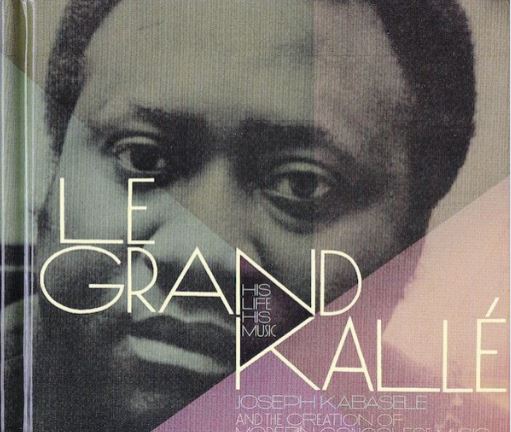
Joseph Athanase Tshamala Kabasele, known as Le Grand Kallé, the “father of Congolese music” and a beacon of Africa’s cultural spirit. Born on December 16, 1930, in Matadi, Kabasele’s music, through his band African Jazz and the iconic “Independence Cha Cha”, wove Congo’s dreams, struggles, and triumphs into a sound that resonated across the continent.
Imagine the streets of Léopoldville in 1960, alive with the rhythm of guitars, the pulse of congas, and voices singing in Lingala, celebrating a nation’s rebirth.
For those unfamiliar with African music, we guide you on a journey through Kabasele’s life, immersing you in the vibrant atmosphere of Congolese rumba and showcasing Africa’s resilience, unity, and love for community. While celebrating the continent’s talent and prosperity, we’ll also honour the pain of its colonial past, promoting Africa’s brilliance in 2025 with pride and hope.
Early Life: Matadi’s Melodic Roots (1930–1950)
Joseph Kabasele was born in Matadi, a bustling port city in the Belgian Congo, where the Congo River carried trade and culture. Growing up in a Kongo family, he was steeped in traditional music, marimba, drums, and call-and-response chants that echoed community life. His mother, a choir leader, introduced him to hymns, blending Christian melodies with Congolese rhythms. Matadi’s markets buzzed with maringa, a local dance music, and Cuban records brought by sailors, sparking Kabasele’s love for syncopated grooves.
The Belgian Congo was a land of beauty but also oppression. Colonial rule stripped Africans of rights, forcing labor and cultural suppression. Young Kabasele witnessed this injustice, yet found solace in music.
He sang in church choirs and taught himself guitar, dreaming of a stage where Congo’s voice could shine. By his teens, he moved to Kinshasa (then Léopoldville), a cosmopolitan hub where jazz, Cuban son, and African rhythms mingled. This vibrant city, despite colonial constraints, set the stage for his musical revolution.
The Birth of African Jazz: A New Sound Emerges (1950–1959)
In the early 1950s, Kabasele formed African Jazz, a band that would redefine African music. Kinshasa’s nightlife was electric, with shebeens and dancehalls hosting bands that fused Congolese maringa with Cuban son.
Kabasele, with his soulful voice and sharp songwriting, assembled a supergroup, including guitarist Docteur Nico, vocalist Tabu Ley Rochereau, and saxophonist Manu Dibango. Their sound, Congolese rumba, was a revelation, blending African percussion, Cuban guitar riffs, and jazzy horns into a danceable, emotive groove.
African Jazz’s early gigs at Kinshasa’s bars drew crowds eager to escape colonial hardships. Songs like “Para Fifi” celebrated love and community, their repetitive melodies and sébène (guitar-driven instrumental breaks) keeping dancers moving for hours.
Kabasele’s lyrics, sung in Lingala and French, spoke to everyday life, romance, struggle, and pride, making his music a mirror for Congolese aspirations. His charisma and polished arrangements earned him the nickname “Le Grand Kallé,” the great chief of Congo’s sound.
Kabasele’s vision extended beyond performance. In 1957, he founded Surboum African Jazz, Congo’s first African-owned record label. This bold move challenged colonial dominance over music production, allowing high-quality recordings that rivalled European standards.
By striking deals with Belgian labels, Kabasele ensured his music reached Francophone Africa and Europe, planting seeds for global influence.
Independence and “Independence Cha Cha” (1960)
The year 1960 was a turning point for Congo and Kabasele. As African nations fought for independence, Congo’s leaders negotiated freedom at the Brussels Round Table Conference. Kabasele, invited to perform, seized the moment.
He composed “Independence Cha Cha,” a jubilant anthem celebrating Congo’s liberation from Belgium. Released in June 1960, as Congo gained independence, the song’s lyrics, “Independence, cha-cha, we’ve won it”, listed key figures like Patrice Lumumba and political groups, uniting a diverse nation.
The song’s upbeat rhythm, with twinkling guitars and infectious horns, filled Kinshasa’s streets on June 30, 1960. Crowds danced, sang, and wept, their joy palpable after decades of colonial rule.
“Independence Cha Cha” wasn’t just Congo’s anthem; it became Africa’s, adopted by nations like Ghana and Algeria in their independence celebrations. Its Lingala verses and French phrases spoke to a continent breaking free, fostering pan-African solidarity. For Congolese, it was a call to unity, bridging ethnic and political divides in a fragile new nation.
Kabasele’s role in Brussels wasn’t just musical. Accompanying politicians, he embodied Congo’s cultural pride, showing the world that Africa’s talent rivalled its colonisers’.
African Jazz toured Europe, their polished suits and electrifying performances challenging stereotypes of African “primitiveness.” Kabasele’s music became a symbol of modernity, proving that Congo could lead on global stages.
The Golden Era: African Jazz’s Influence (1960–1970)
The 1960s were African Jazz’s zenith. Kabasele mentored stars like Rochereau and Dibango, launching careers that shaped African music. Songs like “Africa Mokili Mobimba” celebrated pan-African dreams, while romantic ballads like “Merenge Presidente” kept dancefloors packed.
The sébène, with Nico’s virtuosic guitar solos, became a rumba hallmark, inspiring bands across Africa. Kabasele’s arrangements, electric guitars, saxophones, and congas, modernised Congolese music, blending tradition with urban sophistication.
Kinshasa’s nightlife thrived, with African Jazz and rivals like O.K. Jazz defining a golden era. Congolese rumba influenced fashion, tailored suits and vibrant dresses, and dance, with couples swaying to rumba’s groove.
Kabasele’s Surboum label recorded both his band and competitors, fostering a vibrant industry. His music crossed borders, reaching East Africa, West Africa, and the Caribbean, where Cuban artists embraced their African roots.
Yet, Congo’s post-independence struggles, political instability, Lumumba’s assassination in 1961, and ethnic tensions cast shadows. Kabasele’s songs subtly addressed these challenges, advocating unity and resilience.
His praise-song tradition, honouring leaders and events, reinforced social cohesion, a practice later commercialised as “mabanga.” Through music, Kabasele held a fractured nation together, his voice a beacon of hope.
Global Reach and Industry Leadership (1970–1980)
In the 1970s, Kabasele’s influence grew. African Jazz toured Europe and the U.S., their performances at festivals like Paris’s Olympia showcasing Congo’s cultural wealth.
Kabasele collaborated with international labels, recording in Belgium for superior sound quality. His entrepreneurship through Surboum modernised Congo’s music industry, inspiring artists like Franco Luambo to follow suit. By mentoring talents like Rochereau, who formed Afrisa International, Kabasele ensured rumba’s evolution.
His music remained a cultural force. Songs like “Table Ronde” reflected Congo’s political journey, while romantic tracks like “Tika Kondima” captured universal emotions.
Kabasele’s vocal style, soulful, harmonised, and call-and-response, set a standard, dubbed the “African Jazz school.” His lyrics, blending Lingala’s poetry with French elegance, spoke to both rural and urban Congolese, uniting classes and regions.
Congo’s challenges persisted: Mobutu’s dictatorship, economic woes, and social divides, but Kabasele’s music offered solace. Rumba became Congo’s identity, played at weddings, funerals, and protests.
Kabasele’s cosmopolitan sound influenced African genres like Kenya’s benga and Nigeria’s highlife, proving Congo’s cultural leadership despite its pain.
Final Years and Legacy (1980–1983)
By the early 1980s, Kabasele’s health declined, but his passion endured. He performed sparingly, focusing, focusing on studio work and mentoring. On February 11, 1983, Kabasele passed away in Kinshasa at 52, leaving a void in African music.
Tributes poured in, with Kinshasa’s streets filled with mourners singing “Independence Cha Cha.” His funeral was a national event, reflecting his status as a cultural hero.
Kabasele’s legacy is monumental. Congolese rumba, his creation, remains Congo’s heartbeat, influencing soukous, ndombolo, and global genres like salsa.
African Jazz alumni like Rochereau and Dibango carried his torch, spreading rumba worldwide. “Independence Cha Cha” is still sung at Congo’s independence celebrations, a reminder of 1960’s hope amid ongoing challenges like conflict and poverty.
Kabasele in 2025: Africa’s Shining Star
In 2025, Kabasele’s spirit thrives. Kinshasa’s clubs pulse with his songs, and festivals like Fête de la Musique honour him. Documentaries like Rumba Rules (2024) and exhibits at Kinshasa’s National Museum celebrate his life. Artists like Fally Ipupa and Koffi Olomide cite him as inspiration, blending rumba with modern sounds.
Africa shines through Kabasele’s legacy. His music showcases the continent’s talent, resilience, and love for community. Rumba’s danceable joy reflects African prosperity, families gathering, markets bustling, and youth dreaming big.
Yet, his work acknowledges pain, colonial scars, political strife, and economic struggles, reminding us of Africa’s fight for dignity. Kabasele’s pan-African vision unites nations, from Congo to Kenya, Nigeria to South Africa, proving music can heal and inspire.
For those new to African music, Kabasele’s rumba is a gateway. Its swaying rhythms, soulful vocals, and guitar solos feel like a warm embrace, inviting you to dance and dream.
Picture a Kinshasa wedding, where “Independence Cha Cha” sparks laughter and tears, that’s Africa’s spirit. Rumba shares DNA with Afrobeat, makossa, and amapiano, all rooted in community and rhythm. Kabasele’s songs, from love ballads to anthems, speak to universal hopes, making them accessible yet profound.
Kabasele represents Africa’s heart, its talent, unity, and resilience. His music celebrates prosperity while honouring struggle, showing a continent that thrives despite adversity. In 2025, as Africa rises, through tech hubs, fashion, and global artists, Kabasele’s legacy reminds us of its cultural wealth. So, play “Independence Cha Cha,” sway to its cha-cha beat, and join Africa’s dance of pride, pain, and unbreakable spirit.