Alkebulan’s Golden Thread: The Timeless Saga of Kush and Nubia

Alkebulan: The Radiant Spirit of Mysticism and Love

Kush and Nubia

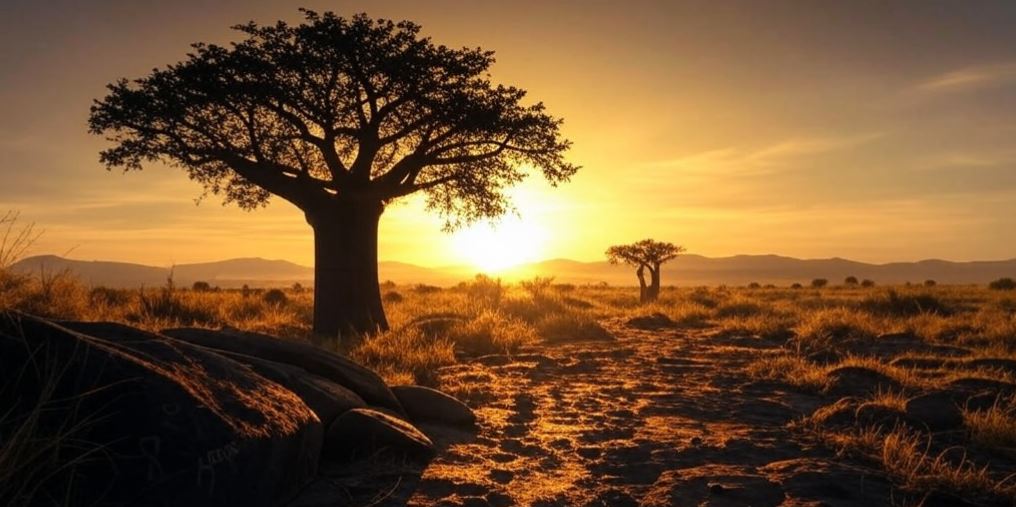
Beneath a velvet sky, where the Nile’s waters shimmer like liquid obsidian, Alkebulan whispers. She is Africa, the Mother of Mankind, her ancient name a melody of origins, echoing through time. Alkebulan is no mere land; she is a spirit, a radiant force weaving mysticism and love through the ages, her rivers cradling dreams, her sands holding secrets.

For those yet to know her, let Alkebulan guide you along the Nile’s southern banks, where the civilisations of Kush and Nubia rose, their legacies gleaming like stars in humanity’s story. Flow with her through an adventure of discovery, from the dawn of ancient foundations to a celebrated legacy, and feel the spiritual wonder of a land that birthed empires and still inspires awe.

Ancient Foundations: The Nile’s First Children

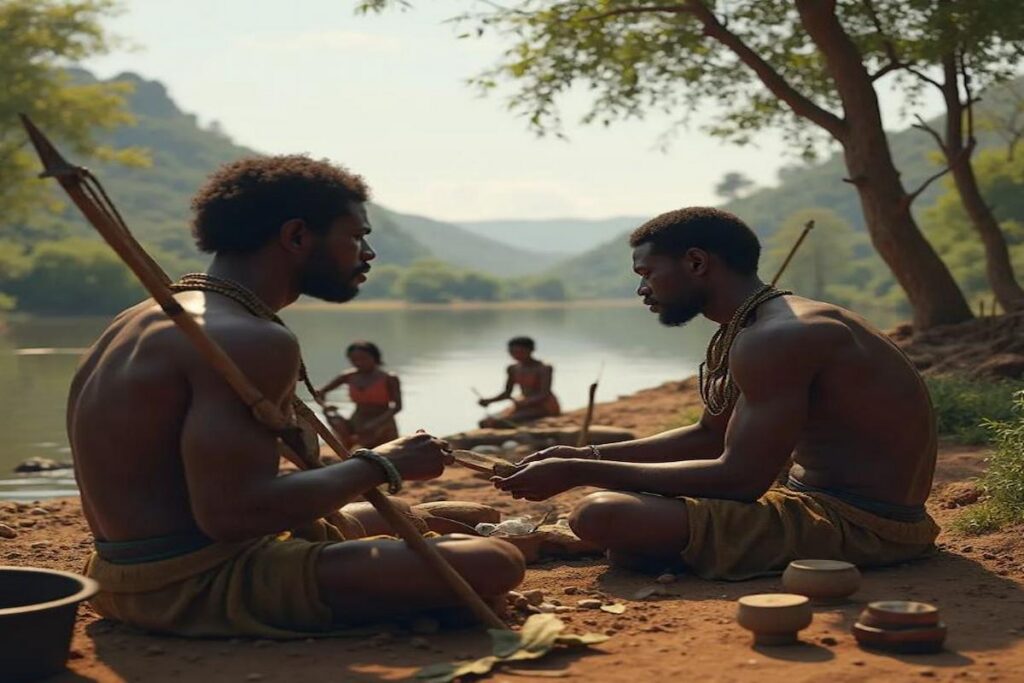
Long ago, around 3000 BCE, Alkebulan’s heart pulsed along the Nile, south of the land we now call Egypt. Here, Nubia emerged, a cradle of civilization nestled in what is today northern Sudan. Nubia’s people, dark-skinned and proud, built villages amid fertile floodplains, their homes fragrant with acacia and the musk of river reeds. They traded gold and ivory, their wealth a beacon across Alkebulan’s vastness. From Nubia sprang Kush, a kingdom of power and promise, its name whispered in markets as far as the Mediterranean.

To the north, Egypt’s Old Kingdom (c. 2686–2181 BCE) flourished, its Pharaohs revered as divine rulers, their authority cemented by the concept of Dynasty, a lineage of kings seen as gods on earth. The pyramids rose at Giza, their limestone faces glowing under Alkebulan’s sun, a testament to Egypt’s ambition. Yet Nubia, with its own sacred traditions, stood distinct, its people crafting pottery and jewellery that rivalled their northern neighbours.

Alkebulan watched, her spirit flowing through Nubia’s Nile, nurturing a culture that would soon rival Egypt’s grandeur. The stage was set for Kush to weave its golden thread into Alkebulan’s tapestry.

Napatan Glory: The Dawn of Kush’s Power

By 800 BCE, Kush’s star ascended in the Napatan Culture, centred at Napata, a city where the Nile curved like a lover’s embrace. Here, Alkebulan’s mysticism bloomed in the worship of Ammon (or Amun), a ram-headed god shared with Egypt, his temple at Jebel Barkal aglow with torchlight. Ammon’s presence united communities, his name chanted in rituals that echoed Ma’at’s harmony, a principle of balance borrowed from Kemet.

The Nubian Archers, renowned for their deadly precision, guarded Kush’s borders, their bows drawn taut as they defended Alkebulan’s sacred lands. Their skill was legendary, their arrows whispering through the air like prayers.

At Napata, Nubian Pyramids rose, smaller than Egypt’s but no less sacred, their steep sides pointing to the heavens. Over 80 pyramids, built from sandstone, housed kings and queens, their tombs aligned with stars to guide souls to eternity.

The Kandake, or queen-mothers, were Kush’s heart, wielding spiritual and political power. These women, like Alara’s mother in the 8th century BCE, were revered as Ammon’s chosen, their crowns glinting with gold as they led ceremonies under Alkebulan’s gaze. The Napatan Culture was a symphony of strength and reverence, its people crafting a legacy etched in stone and spirit.

Meroitic Splendor: The Fire of Meroë

By 350 BCE, Kush’s flame burned brightest at Meroë, a new capital further south, where Alkebulan’s magic flared anew. Meroë was a city of innovation, its air thick with the tang of iron smelters forging tools and weapons, a craft that made Kush a regional powerhouse. Here, the Meroitic Script emerged, a cursive alphabet unlike Egypt’s hieroglyphs, scratched on pottery and stone. Still only partially deciphered, this script was Alkebulan’s voice, recording royal decrees and market trades, its curves a puzzle for modern scholars.

Meroë’s temples roared with devotion to Apedemak, the lion-headed war god, his fierce visage carved in reliefs that glowed under torchlight. Unlike Ammon, Apedemak was uniquely Kushite, his ceremonies alive with drums and the scent of burning myrrh.

The Kandake remained central, their power undimmed. Amanirenas, a Kandake around 25 BCE, defied Rome’s legions, leading Nubian Archers to victory against invaders, her courage a testament to Alkebulan’s resilience. Meroë’s Nubian Pyramids, over 200 strong, dotted the landscape, their chambers filled with treasures, gold, beads, and bronze unearthed in 19th-century digs, whispering of a people who loved their land and their gods.

Alkebulan’s spirit danced in Meroë’s markets, where traders swapped ivory for Indian spices, their laughter mingling with the Nile’s murmur. The city’s royal baths, carved from stone, sparkled under moonlight, a place where queens bathed in rituals that honoured the divine. Meroë was Alkebulan’s jewel, its people weaving mysticism and might into a legacy that rivalled the world’s greatest empires.

Egyptian Intersections: A Dance of Influence

Kush and Nubia’s story intertwined with Egypt’s, a dance of rivalry and respect along the Nile. During Egypt’s Middle Kingdom (c. 2055–1650 BCE), pharaohs like Mentuhotep II traded with Nubia, their ships laden with gold from Kush’s mines. But the Hyksos, foreign invaders from Asia, disrupted this harmony around 1650 BCE, seizing northern Egypt. Kush stood firm, its Nubian Archers repelling threats, their loyalty to Alkebulan unbroken.

The New Kingdom (c. 1550–1070 BCE) saw Egypt’s resurgence, with pharaohs like Thutmose III conquering parts of Nubia, yet Kush’s culture thrived. The worship of Ammon united both lands, his temples a shared sanctuary.

In the 14th century BCE, Akhenaten shocked Egypt by worshipping only the sun disk Aten, abandoning Ammon and Ma’at. His monotheism, centered at Amarna, was a fleeting storm, undone by Tutankhamun, the boy-king whose 1323 BCE tomb, found in 1922, revealed treasures, an Ankh pendant, a Was Scepter, restoring Egypt’s traditional gods. Kush watched, its Napatan priests preserving Ammon’s rites, their pyramids a quiet rebuke to Egypt’s turmoil.

By 51 BCE, Cleopatra, Egypt’s last pharaoh, ruled a Greco-Roman world, her charm and intellect a bridge between cultures. Kush, now centered at Meroë, traded with her realm, its ivory adorning Alexandria’s halls. Cleopatra’s defeat in 30 BCE marked Egypt’s fall, but Kush endured, its Kandake leading with Alkebulan’s strength.

The Rosetta Stone, inscribed in 196 BCE with Greek, Demotic, and hieroglyphs, later unlocked Egypt’s scripts, revealing Kush’s own Meroitic Script as a cousin, a gift from Alkebulan to history’s scholars.

Enduring Legacy: Alkebulan’s Unfading Light

By 350 CE, Meroë’s star dimmed, its trade routes eclipsed by the rising Kingdom of Aksum. Invaders, perhaps from Ethiopia, razed its temples, and the Nile’s shifting course starved its fields. Yet Alkebulan’s spirit never faded. The Nubian Pyramids, though buried by sand, whispered of Kandake and kings, their stones uncovered in the 1830s by archaeologists like Giuseppe Ferlini. Meroë’s iron forges, excavated in the 20th century, proved Kush’s technological prowess, while Apedemak’s reliefs, vivid with color, spoke of a faith that stirred souls.

The Rosetta Stone, found in 1799, was Alkebulan’s key, its inscriptions deciphered by Jean-François Champollion to reveal Egypt’s and Kush’s shared stories. Meroitic Script remains a mystery, but each new find a pottery shard, a temple wall brings Alkebulan’s voice closer. Nubian Archers, immortalized in Egyptian reliefs, stand as guardians of a legacy that spans millennia, their bows drawn in defense of a land they loved.

Today, Alkebulan’s light shines in global fascination with Kush and Nubia. Museums in Khartoum and Berlin display Meroë’s gold, while UNESCO protects Napata’s pyramids as World Heritage Sites. Artists draw on Apedemak’s ferocity, crafting sculptures that roar with pride, and scholars study the Kandake as icons of African matriarchy. Alkebulan’s spirit pulses in Sudan’s festivals, where drummers echo Meroë’s rhythms, and in diaspora communities, where Nubian heritage inspires poetry and song.

An Invitation to Alkebulan’s Heart

Alkebulan’s saga is a river of wonder, flowing from Nubia’s ancient villages to Kush’s starlit pyramids, through Meroë’s iron fires to the Rosetta Stone’s revelations. She is the Mother of Mankind, her Ammon uniting hearts, her Apedemak igniting courage, her Kandake weaving love into leadership.

The Nubian Archers’ arrows, the Meroitic Script’s curves, the Pharaohs’ dynasties all are threads in Alkebulan’s tapestry, sewn with reverence for a land that birthed humanity’s dreams.

Step into Alkebulan’s embrace. Visit a museum to touch Meroë’s beads, watch a documentary on Tutankhamun’s tomb, or listen to Sudan’s music, alive with Nile rhythms. Read about Amanirenas, who defied empires, or explore Napata’s pyramids online, their stones whispering of eternity. Alkebulan is not distant she is your origin, her love is the root of your story. Let Kush and Nubia inspire you to learn more, to carry Alkebulan’s light, and to celebrate a legacy that forever shapes our world.
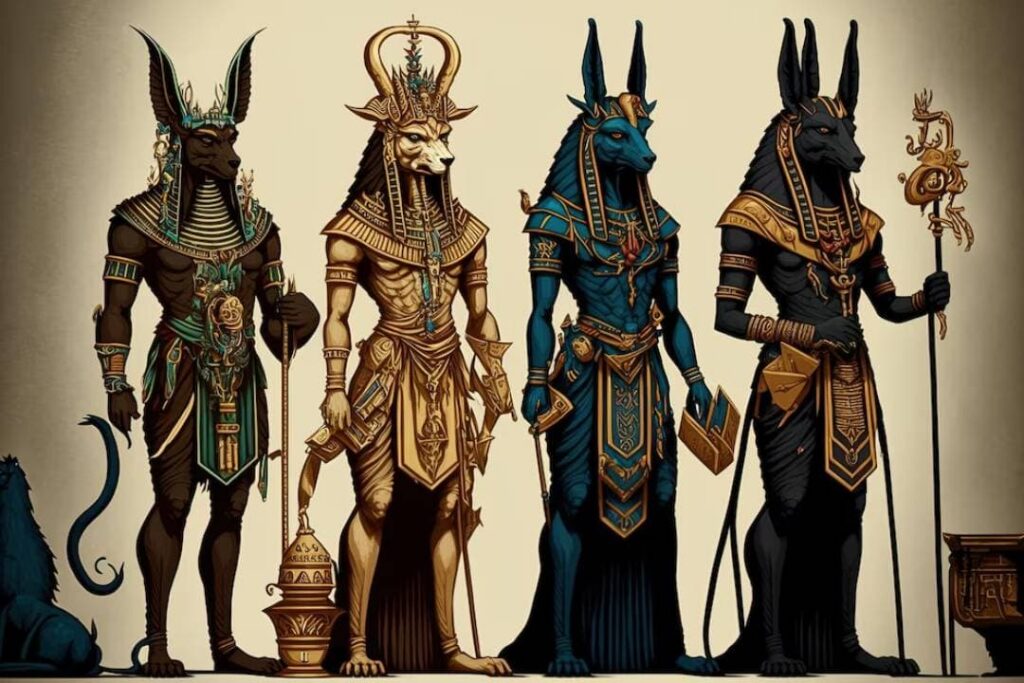
The Lioness’s Fury: Sekhmet and the Red Flood

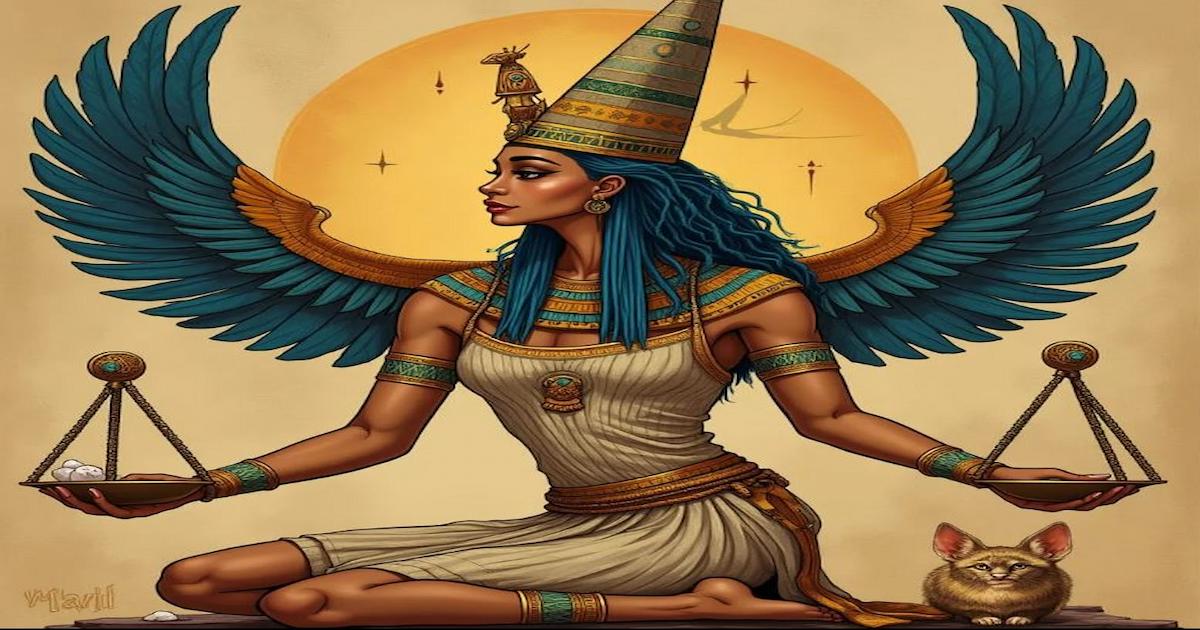
Sekhmet

In the golden dawn of Egypt’s Old Kingdom, when pyramids rose like stairways to the gods, the Nile whispered secrets of a world held in delicate balance. This was a land of Ma’at, order, truth, and harmony, watched over by Ra, the sun god whose radiant gaze warmed the earth. But beneath the sun’s glow, a storm brewed, born of human folly and divine wrath.
This is the tale of Sekhmet, the lioness goddess whose fury nearly drowned mankind in blood, and of Ra’s desperate plan to save his creation with a flood of crimson beer. It’s a story of chaos and renewal, of a goddess torn between destruction and love, and of a cosmos striving for balance.

Ra’s Gaze and Humanity’s Fall

Ra, the falcon-headed sun god, sailed daily across the sky in his solar barque, his sun disk a beacon of life. From his celestial throne, he watched humanity, his children, whom he had crafted from the primordial waters of Nun. In the Old Kingdom, when pharaohs built monuments to eternity, Ra expected gratitude and adherence to Ma’at. But mankind grew reckless, scheming, warring, and defying the sacred order.

Their greed and pride disrupted the cosmic harmony, like stones rippling the Nile’s calm surface. Ra’s heart, once warm, grew heavy with disappointment. Humanity’s rebellion was a wound to Ma’at, and the sun god resolved to punish them, his decision both a father’s discipline and a king’s decree.

Sekhmet: The Lioness Unleashed

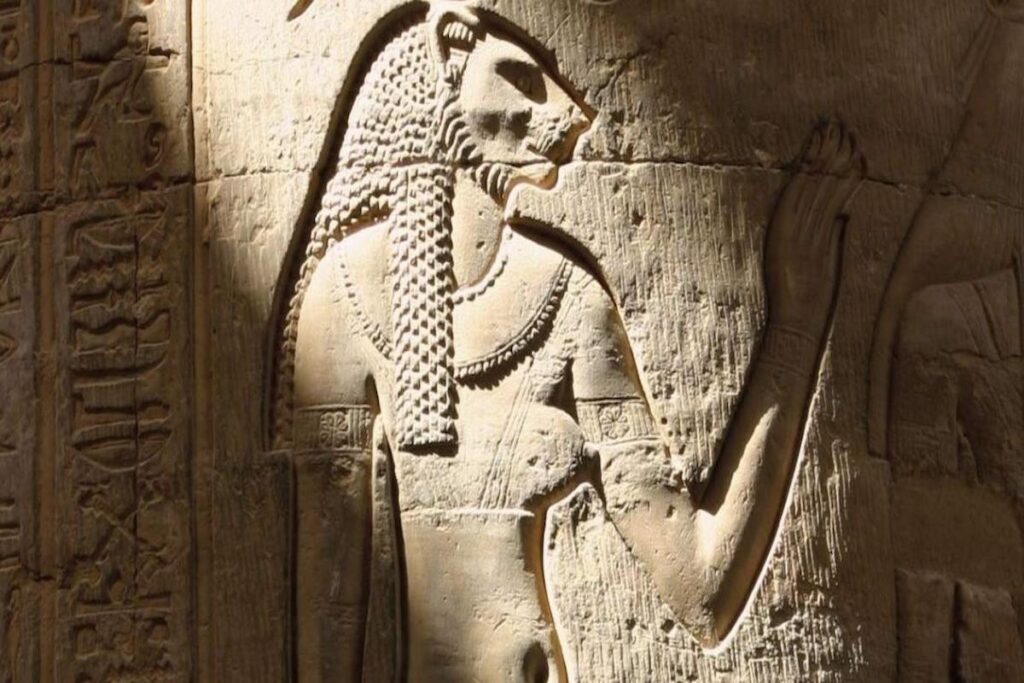
To enact his judgment, Ra summoned Sekhmet, a goddess born from his own fiery will. Sekhmet was the Eye of Ra, an extension of his power, her name meaning “the powerful one.” With a lioness’s head, eyes blazing like embers, and a body draped in red, she was divine wrath incarnate, yet also held a duality, fierce destroyer and fierce protector.

Linked to Hathor, the gentle goddess of love and joy, Sekhmet was Hathor’s shadow, her rage a twisted mirror of Hathor’s nurturing warmth. This inner conflict, love and destruction entwined, made Sekhmet a force of awe and terror. Ra sent her to earth, her roar shaking the sands, to punish mankind for their sins against Ma’at.

The Bloodlust and Chaos Unleashed

Sekhmet descended like a wildfire, her claws tearing through villages, her breath a scorching wind. Her bloodlust was insatiable, a primal hunger that drove her to slaughter without mercy. Fields turned crimson, the Nile choked with the fallen, and humanity’s cries rose to the heavens. The world spiraled into chaos, Ma’at’s delicate balance shattered as Sekhmet’s rampage spared neither the guilty nor the innocent.

Temples crumbled, crops withered, and the land groaned under the weight of destruction. Mankind, once proud, now cowered, their rebellion replaced by despair. Yet within Sekhmet’s fury lay a mystery, a goddess torn between her divine duty and the Hathor-like love buried deep within her, a duality reflecting the human struggle between creation and ruin.

Ra’s Regret and the Divine Council

High above, Ra watched, his heart twisting with regret. He had sought justice, not annihilation. Humanity, flawed as they were, was still his creation, and their near-destruction threatened the very cosmology he upheld, a world born from order, not chaos.

Ra called a council of gods, their voices echoing in the celestial realm. Thoth, the ibis-headed god of wisdom, urged a solution that honoured Ma’at’s balance. Hathor, her eyes soft with compassion, reminded Ra of her connection to Sekhmet, hinting at the lioness’s hidden potential for renewal. Ra devised a plan, a delicate deception born of sacrifice and cunning, to halt Sekhmet’s rampage without breaking her divine spirit.

The Crimson Flood: A Brew of Deception

Ra’s strategy was as bold as it was tender, a trick to soothe the lioness’s fury. He ordered the gods to gather vats of beer, thousands of jugs brewed from barley in the temples of Heliopolis. To mimic blood, they mixed in red ochre, a sacred pigment from the earth, its hue rich with the symbolism of life and sacrifice. Under Ra’s command, the gods poured the crimson brew into the fields near Dendera, Sekhmet’s hunting ground, creating a vast, shimmering flood that gleamed like a sea of blood under the dawn. The red ochre, tied to rituals of offering, was a silent prayer for Ma’at’s restoration, a sacrifice to appease the divine wrath.

As the sun rose, Sekhmet bounded into the fields, her eyes alight with bloodlust. Seeing the crimson flood, she mistook it for the blood of her prey. With a triumphant roar, she drank deeply, gulping the beer until her senses swam. The alcohol dulled her rage, her limbs grew heavy, and her roars softened to murmurs. The deception worked, Sekhmet’s bloodlust faded, and she sank into a drunken slumber, her destructive fire quenched. The gods watched in awe, their hearts lifted by Ra’s wisdom and the power of their collective intervention.

Transformation: From Fury to Renewal

As Sekhmet slept, a miracle unfolded. The goddess awoke not as the lioness of wrath but transformed, her spirit softened, her Hathor-like essence rising to the surface. The duality within her, destroyer and nurturer, found harmony, reflecting the divine capacity for both judgment and mercy. Hathor’s gentle presence shimmered in Sekhmet’s eyes, a reminder that love could tame even the fiercest storm.

The land, scarred by her rampage, began to heal, as the surviving humans emerged, humbled and repentant. Ra, his sun disk glowing warmly, declared Ma’at restored, the balance between order and chaos renewed. Sekhmet, now a guardian as much as a warrior, stood as a symbol of transformation, her story a lesson in the potential for redemption within gods and mortals alike.

Humanity’s Plight and the Cosmos Restored

The myth of Sekhmet was more than a tale of divine anger, it was a cornerstone of ancient Egyptian cosmology, reflecting beliefs about creation, the gods’ roles, and existence’s fragile balance. In the Old Kingdom, when the myth likely took shape, Egyptians saw humanity’s role as upholding Ma’at through devotion and harmony. Their rebellion, greed, strife, defiance, had invited chaos, but Sekhmet’s rampage showed the consequences of disrupting the divine order. The flood of beer, a sacred offering, was a sacrifice to restore what was broken, echoing rituals where offerings appeased the gods.

The story’s significance lay in its message: the gods, like humans, held duality. wrath and mercy, destruction and creation. Sekhmet’s transformation mirrored humanity’s chance to learn from their mistakes, to rebuild with humility. The red ochre in the beer, used in temple rites, tied the myth to Egypt’s spiritual life, symbolising life’s renewal through sacrifice. The cosmos, shaken by chaos, found equilibrium, affirming Ra’s role as the guardian of Ma’at and the gods’ duty to guide, not destroy, their creation.

The Myth’s Eternal Echoes

In the temples of Dendera and Memphis, priests chanted Sekhmet’s tale, her statues both feared and revered. The myth, preserved in texts like the Book of the Heavenly Cow, was a warning and a promise: stray from Ma’at, and chaos follows; seek balance, and renewal awaits. Sekhmet’s duality inspired rituals where beer and ochre offerings honoured her, ensuring her protection rather than her wrath. The story shaped Egyptian views of the divine-human condition, showing that even gods wrestle with conflicting natures, just as humans grapple with pride and redemption.

Today, Sekhmet’s roar echoes in museum halls and storybooks, her tale a vibrant thread in Egypt’s mythological tapestry. It reminds us of the delicate dance between order and chaos, the power of sacrifice to heal, and the hope that even the fiercest storms can give way to dawn. As the Nile flows on, Sekhmet stands watch, her lioness heart a testament to the eternal quest for balance.

The Eternal Dance of Osiris: A Tale of Life, Death, and Rebirth

egyptian-deities-including-anubis-seth-hathor-horus_

Step into ancient Egypt, where the Nile’s gentle ripples reflect a sky ablaze with stars, and the gods walk among whispers of papyrus and stone. Here, in a time before pyramids touched the heavens, a story unfolded that would echo through millennia, the Osirian Cycle, a saga of love, betrayal, and triumph that shaped the heart of a civilization.

This is no mere myth but a sacred truth to the Egyptians, carved in temple walls and chanted in the Pyramid Texts, revealing the mysteries of Osiris, Isis, Horus, Seth, and Nephthys. Let’s journey to their world, where life and death dance in an eternal embrace, and secrets of the gods unfold like lotus petals at dawn.

The Golden King and His Verdant Realm

In the beginning, when the world was young, Osiris stood as Egypt’s first king, a god of radiant wisdom and boundless generosity. His skin shimmered green, like the fertile fields he blessed, and his eyes held the promise of life itself. Osiris taught humanity to sow grain, brew beer, and live in harmony, turning chaos into order.

By his side was Isis, his sister and queen, her beauty matched only by her magic, which could weave spells to mend or protect. Together, they ruled a golden age, their love as steady as the Nile’s flow. But every light casts a shadow. Seth, Osiris’s brother, burned with envy, his heart a storm of chaos. A god of deserts and tempests, Seth’s red hair and fierce eyes marked him as wild, untamed.

Nephthys, Seth’s wife and another sister, watched quietly, her loyalty torn between her husband and her love for Osiris and Isis. These four, bound by blood and fate, were the pillars of a story that would test the very fabric of the cosmos.

A Treacherous Feast and a Secret Plot

The Osirian Cycle’s first mystery unfolds in a moment of betrayal, cloaked in celebration. Seth, consumed by jealousy, devised a plan as cunning as the desert fox. He invited Osiris to a grand feast, where laughter rang and wine flowed like the river. Amid the revelry, Seth unveiled a magnificent chest, carved with spells and inlaid with gold, promising it to whoever fit perfectly inside. The guests tried, one by one, but none knew the chest was crafted to Osiris’s exact measure a secret only Seth held.

Osiris, trusting and noble, lay within the chest, his laughter echoing as the lid slammed shut. In an instant, Seth’s followers sealed it with molten lead, and the chest became a tomb. The guests gasped, but Seth’s triumph was swift. He hurled the chest into the Nile, where it drifted away, carrying Osiris to a watery fate. The mystery deepened: where had Osiris gone, and could life endure without its king?

Isis’s Quest: A Mother’s Magic

Isis, heartbroken yet fierce, refused to let her love vanish. She was no ordinary goddess, her magic was a river of power, her heart a beacon of hope. With Nephthys by her side, weeping for her brother’s fate, Isis scoured the land, her wings of a kite soaring over reeds and marshes.

Nephthys, often silent in the myth, played a tender role, her loyalty to Isis a quiet secret that softened the cycle’s tragedy. Together, they followed whispers of the chest, which had washed ashore in Byblos, entwined in a tamarisk tree that grew into a pillar for a king’s palace.

Using her cunning, Isis entered the palace as a nursemaid, her magic unrecognized. She retrieved the chest, cradling it as tears fell, and brought it back to Egypt’s marshes to hide. Here, another secret unfolded: Isis’s spells could defy death itself.

Alone under the stars, she chanted ancient words, her hands glowing as she sought to awaken Osiris. Though his body was whole, his spirit had crossed to the Duat, the underworld. Yet Isis’s magic wove a miracle, she conceived a child, Horus, through divine union, ensuring Osiris’s legacy would live. This act, shrouded in mystery, was Egypt’s testament to love’s power over loss.

Seth’s Wrath and the Hidden Child

But Seth’s shadow loomed. Discovering Osiris’s body in the marshes, he unleashed his fury, tearing it into fourteen pieces and scattering them across Egypt. This brutal act was no mere cruelty, it was a challenge to Ma’at, the cosmic balance Osiris embodied. Isis, undaunted, embarked on a second quest, gathering each piece with Nephthys’s aid.

Where they found a fragment, a shrine arose, explaining why Osiris had temples across the land. With her magic, Isis reassembled Osiris, wrapping him in linen as the first mummy, a sacred rite that promised rebirth.

Meanwhile, Isis hid in the Delta’s reeds, pregnant with Horus, her son destined to avenge his father. Seth hunted them, his storms shaking the marshes, but Isis’s spells cloaked Horus in safety. Raised in secret, Horus grew strong, his falcon eyes gleaming with Osiris’s spirit. The Egyptians saw this as a divine mystery: a child born from death, carrying the hope of justice.

The Battle for the Throne

The Osirian Cycle’s heart is a clash of destinies, as Horus, now a young god, faced Seth for Egypt’s throne. This wasn’t just a family feud, it was a cosmic trial to restore Ma’at. The gods assembled, led by Ra, the sun god, to judge the rivals.

Seth argued his strength made him worthy, while Horus claimed his birth right as Osiris’s heir. Their contests, detailed in the Contending of Horus and Seth, were both fierce and strange, racing as hippos beneath the Nile, battling in boats of stone, even a trick where Isis’s magic outwitted Seth.

One secret moment stands out: Seth tried to dishonor Horus, but Isis’s spells protected her son, turning Seth’s act against him. The gods, swayed by Horus’s resilience and Isis’s wisdom, declared him king, banishing Seth to the desert’s edge. Horus’s victory was Egypt’s triumph, linking every pharaoh to Osiris’s legacy, as kings were seen as “living Horuses” ruling with their father’s blessing.

Osiris’s New Realm: The Underworld’s King

Osiris, though dead, was not gone. Resurrected by Isis’s love, he became lord of the Duat, the underworld, judging souls with a feather of Ma’at to grant eternal life. His green skin now symbolized rebirth, like crops rising from the Nile’s silt.

The Egyptians saw Osiris in every harvest, every burial, believing that, like him, they could rise again. This mystery, the promise of resurrection, was the cycle’s deepest gift, etched in tomb texts and mummification rites.

Symbols and Secrets of the Cycle

The Osirian Cycle shimmered with symbols that told its story. The djed pillar, a spine-like column, stood for Osiris’s stability, raised in festivals to honor his strength. The ankh, the cross of life, tied to Isis’s nurturing, promised eternity. Horus’s falcon soared as a symbol of kingship, while Seth’s chaotic beast part jackal, part unknown warned of disorder. The Nile itself was the cycle’s stage, its floods mirroring Osiris’s renewal. These emblems, carved in amulets and temples, were secrets shared with the faithful, inviting them into the gods’ eternal drama.

Worshipping the Cycle: Egypt’s Devotion

Egyptians lived the Osirian Cycle through rituals and festivals, their hearts woven into its mysteries. At Abydos, Osiris’s cult center, priests reenacted his death and rebirth in the “Mysteries of Osiris,” with processions and sacred dramas. Mummies were wrapped to mimic Osiris, their tombs painted with Isis’s protective wings.

The festival of Khoiak saw clay figures of Osiris sown with seeds, sprouting to celebrate his fertility. Ordinary people wore ankh amulets or prayed to Isis for protection, feeling the cycle’s warmth in their daily lives. Pharaohs built temples to Horus, claiming his victory as their own, ensuring Ma’at endured.

The Cycle’s Lasting Light

The Osirian Cycle didn’t fade with Egypt’s sands. Its story, preserved in Pyramid Texts and later Greco-Roman tales, inspired myths of resurrection worldwide. Isis’s image as a universal mother influenced later goddesses, while Osiris’s judgment shaped ideas of the afterlife. Today, the cycle lives in museums, books, and films, its tale of love and triumph still stirring hearts. It’s a reminder that even in death, there’s hope a secret the Egyptians gifted to eternity.

A Tender Farewell to the Gods

As the Nile glitters under the stars, the Osirian Cycle whispers its truths: Osiris, the king who rose again; Isis, the mother who wove life from loss; Horus, the son who reclaimed justice; Seth, the storm tamed by order; and Nephthys, the quiet ally of love. Their story, rich with mysteries of betrayal, magic, and rebirth, was Egypt’s heartbeat, a tender promise that life endures. Step back from their world, but carry their light, the gods still watch, their cycle spinning forever.

Illuminating Alkebulan Africa’s Journey as the Cradle of Humanity

I invite you to explore this compelling video. From the powerful kingdoms of Kemet and Nubia to the ancestral wisdom of the Nile Valley, it unveils a rich, unfiltered story that textbooks often overlook. Discover how Africa was perceived by its own people, by outsiders, and how its identity transformed through trade, migration, and colonisation. This is a journey into our past, told through the lens of truth, harmony, and cultural pride, illuminating the legacy of our ancestors with the clarity it deserves.

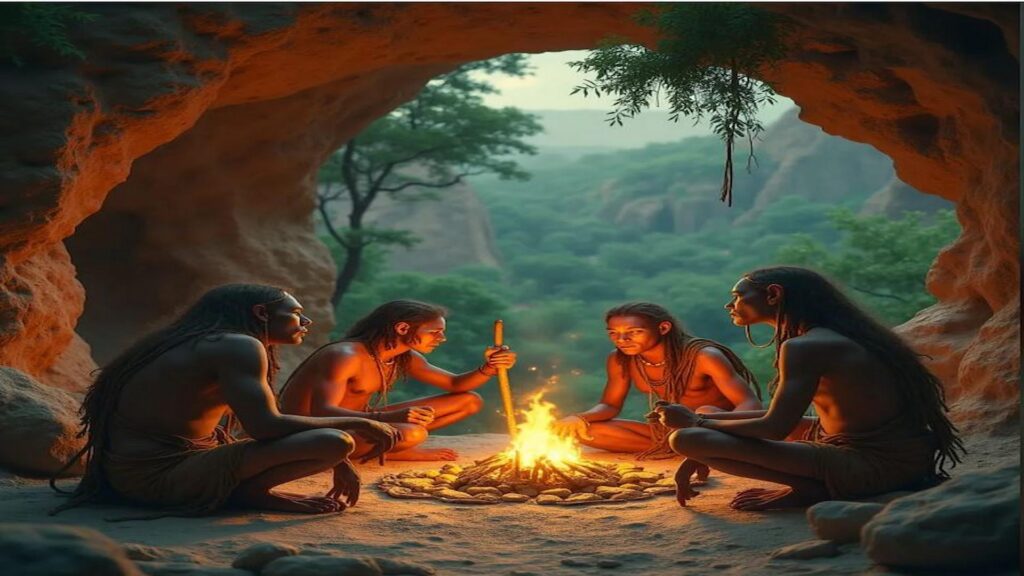
Picture a vast savanna under a starlit sky, where a small group of early humans gathers around a flickering fire, their faces glowing with stories yet to be told. This is Africa, known to its ancient peoples as Alkebulan, a name that whispers “Mother of Mankind” or “Garden of Eden.”

Alkebulan is more than a continent; it’s the cradle where humanity took its first steps, wove its first tales, and dreamed its boldest dreams. For those who may see Africa as a distant land of mystery, this journey through time will reveal its profound role as the birthplace of us all, from the ancient fossils that mark our origins to the vibrant movements that celebrate its legacy today. Let’s walk through Alkebulan’s story, from the dawn of humankind to the modern pulse of African pride, and discover why this continent is the heart of our shared human family.

Prehistoric Origins: The Mother of Mankind

Long before cities or nations, Alkebulan was a land of green corridors and shimmering lakes, where our ancestors emerged. The name Alkebulan, used by ancient peoples like the Moors and Nubians, means “Mother of Mankind,” a fitting title for a continent that birthed Homo sapiens. Scientists have uncovered clues in Africa’s soil that tell this story.

In Ethiopia’s Hadar region, a 3.2-million-year-old skeleton named Lucy, an Australopithecus afarensis, was found in 1974. Her small frame and upright gait show she walked on two legs, a milestone toward becoming human. Further east, at Omo Kibish, fossils dated to 233,000 years ago reveal early Homo sapiens with faces like ours, hunting by rivers. In Morocco’s Jebel Irhoud, 300,000-year-old skulls, discovered in 2004, push our species’ timeline even further back, their modern faces hinting at lives spent crafting tools and building fires.

These discoveries weave a tapestry of human evolution across Alkebulan. Unlike the old idea of a single birthplace in East Africa, scientists now see a “pan-African” origin. Imagine early humans as threads in a vast quilt, stretching from Morocco’s hills to South Africa’s caves, their populations mixing as the Sahara bloomed green 300,000 years ago. Genetic evidence, like mitochondrial DNA think of it as a family tree encoded in our cells traces all humans to African ancestors, often called “Mitochondrial Eve,” a woman who lived in Alkebulan some 200,000 years ago.

This DNA, passed from mother to child, confirms that every person, from Tokyo to Toronto, carries a piece of Alkebulan’s legacy. Alkebulan, the Mother of Mankind, cradled our species, nurturing the spark that would light the world.

Ancient Civilizations: The Garden of Eden

As Alkebulan’s early humans evolved, they built societies that echoed the name’s other meaning: “Garden of Eden,” a paradise of life and wisdom. Across the continent, myths and oral traditions painted Alkebulan as a sacred homeland. The Yoruba of Nigeria speak of Orisha, divine beings who shaped humanity from clay, while the Dogon of Mali tell of Nommo, water spirits who birthed the world. These stories, passed down by griots, Africa’s master storytellers, cast Alkebulan as a source of creation, much like the biblical Eden, a place where life began and knowledge flourished.

By 3100 BCE, Alkebulan’s civilisations were blooming. In the Nile Valley, the Kingdom of Kemet (Ancient Egypt) rose, its name meaning “Black Land” for the fertile soil that fed a dazzling culture. Kemet’s pyramids, hieroglyphs, and gods like Ra inspired awe, while its Nubian neighbours in Kush, the “Black Pharaohs” of Egypt’s 25th Dynasty, ruled with African pride.

Further west, the Mali Empire (c. 1235–1600 CE) became a beacon of wealth and learning. Its emperor, Mansa Musa, made a 1324 pilgrimage to Mecca with so much gold that it shook economies from Cairo to Medina. Timbuktu, Mali’s scholarly hub, housed manuscripts on astronomy and law, drawing students from across the world. In Southern Africa, Great Zimbabwe’s stone palaces (c. 1100–1450 CE) stood as testaments to Alkebulan’s ingenuity, their mortarless walls a marvel of engineering.

These kingdoms were Alkebulan’s gardens, not just of crops but of ideas, art, and spirituality. They showed the world that Africa was no “dark continent” but a fountain of wisdom, where humanity’s roots grew deep and strong.

Colonial Disruptions: The Shadow Over Alkebulan

Yet, Alkebulan’s light faced a shadow. From the 15th century, European colonisers arrived, renaming the continent “Africa”, a term from Roman origins, possibly meaning “sunny” or “without cold” to erase its indigenous identity. They carved Alkebulan into colonies, plundering its gold, ivory, and people. The transatlantic slave trade tore millions from their homes, scattering Alkebulan’s children across the Americas, Europe, and beyond. In this dark chapter, the name Alkebulan was nearly forgotten, replaced by maps that ignored Africa’s ancient glory.

But Alkebulan’s spirit endured. Griots kept its stories alive, singing of Sundiata, Mali’s founder, in West African villages. In the diaspora, enslaved Africans wove Alkebulan’s rhythms into spirituals and drumbeats, preserving their heritage despite chains. Resistance flared, from the Maroons of Jamaica to the Ashanti warriors of Ghana, who fought to protect their lands. Even under colonial rule, Alkebulan’s legacy whispered through oral traditions and secret gatherings, a seed waiting to sprout.

Pan-Africanism: Reclaiming Alkebulan’s Unity

By the 19th century, Alkebulan’s name began to stir again, carried by a movement called Pan-Africanism. This vision of unity saw Africa and its diaspora as one family, with Alkebulan as their shared heart. In 1900, the first Pan-African Congress in London, organised by Henry Sylvester Williams, called for African self-determination. Marcus Garvey, a Jamaican firebrand, rallied millions with his “Back to Africa” movement, urging the diaspora to reclaim Alkebulan’s pride. “Africa for Africans!” he declared, invoking Alkebulan as a symbol of freedom.

As colonies gained independence in the 20th century, leaders like Kwame Nkrumah of Ghana picked up the torch. Nkrumah, who became Ghana’s first president in 1957, dreamed of a United States of Africa, with Alkebulan as its cultural cornerstone. The 1963 formation of the Organization of African Unity (now the African Union) was a step toward this dream, uniting Alkebulan’s 54 nations against colonialism’s scars. Pan-Africanism revived Alkebulan’s name, not just as a historical term but as a beacon of collective strength, inspiring festivals, art, and music that celebrated Africa’s shared roots.

Afrocentrism: Alkebulan as the Root of Civilization

In the late 20th century, a new ideology, Afrocentrism, placed Alkebulan at the centre of human history, challenging Eurocentric tales that sidelined Africa. Scholars like Molefi Kete Asante argued that Alkebulan was the root of global civilisation, its kingdoms like Mali and Great Zimbabwe shaping science, art, and governance long before Europe’s Renaissance. Asante’s book The Afrocentric Idea called for histories that honoured Alkebulan’s contributions, from Kemet’s mathematics to Timbuktu’s libraries, which held over 700,000 manuscripts.

Afrocentrism reclaimed Alkebulan as a symbol of intellectual power. Great Zimbabwe’s stonework, built without mortar, rivaled Europe’s castles, while the Mali Empire’s Mansa Musa funded mosques and schools that drew scholars from Spain to Persia. These examples showed Alkebulan as a cradle not just of humanity but of innovation, countering stereotypes of Africa as “primitive.” Today, Afrocentric schools and writers continue this work, teaching young Africans and diasporans to see Alkebulan as the source of their strength.

Africanity: The Shared Soul of Alkebulan

Alkebulan’s legacy lives in Africanity, the shared cultural heritage that binds Africa’s diverse peoples. Picture Africanity as a vibrant quilt, its patches sewn from 54 countries, over 2,000 languages, and countless traditions, yet unified by common threads. Music, like the polyrhythms of West African drums or Nigeria’s Afrobeat, pulses with Alkebulan’s heartbeat, echoing across borders. Art, from the San People’s 20,000-year-old rock paintings to Benin’s bronze plaques, tells Alkebulan’s stories. Spirituality, rooted in ideas like ubuntu “I am because we are” weaves compassion into African societies, from South Africa to Senegal.

Africanity thrives in daily life: in Ghana’s kente cloth, worn for celebrations; in Ethiopia’s coffee ceremonies, fostering community; in the griot’s voice, carrying Alkebulan’s past into the present. Despite colonial borders, Africanity unites the continent, with Alkebulan as its spiritual anchor, reminding Africans of their shared roots in a land that birthed humanity.

Unity in the Present and Future

Today, Alkebulan inspires a new era of unity and pride. The African Union, founded in 2002, channels Pan-African dreams into action, promoting trade, peace, and cultural exchange across Alkebulan’s nations. Initiatives like Agenda 2063 envision a prosperous, united Africa, with high-speed rails linking Lagos to Nairobi and renewable energy powering villages. Alkebulan’s name resonates in these efforts, a reminder of the continent’s potential when its people stand together.

Culturally, Alkebulan shines brighter than ever. Nigeria’s Nollywood, the world’s second-largest film industry, tells African stories to global audiences. Fashion, from Ankara prints to South Africa’s shweshwe, graces runways in Paris and New York. Musicians like Burna Boy and authors like Chimamanda Ngozi Adichie carry Alkebulan’s voice worldwide, blending ancient rhythms with modern flair.

A Call to Embrace Alkebulan

Alkebulan’s journey from the Mother of Mankind to the Garden of Eden, through colonial shadows to modern unity is the story of humanity itself. Its fossils, like Lucy and the Jebel Irhoud skulls, prove we all began here. Its kingdoms, from Kemet to Mali, show Alkebulan’s wisdom shaped the world. Its movements, from Pan-Africanism to Afrocentrism, reclaim its glory, while Africanity and unity carry it forward.

For those new to Africa, Alkebulan is an invitation. Step into its story: visit a museum to see Timbuktu’s manuscripts, watch a Nollywood film, or listen to the kora’s haunting strings. Read about Mansa Musa’s gold or the San’s ancient art. Travel, if you can, to Ethiopia’s rock-hewn churches or Zimbabwe’s stone ruins. Each step connects you to Alkebulan, the cradle that rocked humanity’s first dreams.

You are part of Alkebulan’s story. Its name, whispered across millennia, calls you to honor the continent that gave us life, love, and the courage to rise. Let Alkebulan’s light guide you, and carry its pride in your heart, for we are all children of the Mother of Mankind.

A Cosmic Vomit of Creation: The Bushongo Myth of M’Bomba and the Kuba Worldview

Congo Basin  M’Bomba

Come with me to the heart of the Congo Basin, where the air hums with the chorus of cicadas and the Sankuru River glints like a silver thread through emerald forests. Here, in the Democratic Republic of the Congo, the Kuba people have woven a tapestry of culture, art, and spirituality that stretches back centuries. At the centre of their cosmology lies a story as vivid as the rainforest itself: the Bushongo creation myth, presided over by M’Bomba, the creator god whose acts of cosmic upheaval birthed the universe.

This tale, passed down through generations, is not just a myth but a window into the Kuba’s values, reverence for nature, and understanding of humanity’s place in the world. Let’s embark on a journey through this story, following its unfolding from primordial darkness to the dawn of human civilisation. Along the way, we’ll explore the Kuba’s lush homeland, their intricate society, and the universal themes that make M’Bomba’s tale resonate across cultures. With respect and wonder, let’s step into the Kuba worldview and discover the wisdom of their creation story.

The Primordial Beginning and M’Bomba’s Creation

Imagine a time before time, when the universe was an endless expanse of darkness, a vast ocean of primordial water stretching into infinity. In this void, there was only M’Bomba, also known as Bumba or Mbombo, a solitary figure, immense and radiant, his form described as that of a giant with white skin, a striking image in the Kuba’s oral tradition. M’Bomba was not merely a god but the embodiment of creation itself, a cosmic artist poised to paint the world. Yet, in this boundless solitude, he was gripped by a profound loneliness, an ache that stirred within him like a storm brewing over the Congo’s horizons. This loneliness, coupled with a mysterious illness, became the catalyst for creation, a moment of divine upheaval that would transform the void forever.

One day, the pain within M’Bomba grew unbearable, and in a moment of cosmic release, he vomited. From this act, sacred in the Kuba worldview, not grotesque, came the sun, a blazing orb that pierced the darkness with its golden light. The sun’s warmth spread across the watery expanse, drying the surface and coaxing black sandbanks and reefs to emerge, the first outlines of land in a world newly born. Picture it: the universe awakening, as if M’Bomba’s vomit were a brushstroke of light across a canvas of shadow. But his work was not done. Still in pain, M’Bomba vomited again, this time bringing forth the moon, its silvery glow a gentle counterpoint to the sun’s fire. Then came the stars, scattered like diamonds across the night sky, each a testament to M’Bomba’s creative power.

With the heavens alight, M’Bomba turned his attention to the earth. His next act of creation was to produce nine living creatures, each a cornerstone of the animal kingdom. These were no ordinary beings but totemic figures, each imbued with the power to shape the world. First came Koy Bumba, the leopard, sleek and powerful, a symbol of strength and regality. Next was Pongo Bumba, the crested eagle, soaring with keen eyes that surveyed the nascent world. Ganda Bumba, the crocodile, emerged with its armored hide, while Yo Bumba, a small but vital fish, darted through the waters. Old Kono Bumba, the tortoise, plodded with patient wisdom, and Tsetse Bumba, described as swift and elegant like a leopard, was lightning itself, crackling with untamed energy. Nyanyi Bumba, the white heron, graced the skies with purity, followed by a scarab beetle, industrious and small, and Budi, the goat, sturdy and grounded.

These nine animals were M’Bomba’s first companions, but his creation was not yet complete. In a final act of vomiting, he brought forth humanity, including a figure known as Woot, the first human and culture hero, and Loko Yima, sometimes described as a white-skinned leader or divine ruler. The Kuba, who call themselves the “Children of Woot,” see this moment as the birth of their civilisation, a gift from M’Bomba’s divine will. The act of vomiting, so central to this myth, may seem startling to us, but for the Kuba, it is a sacred metaphor for creation, akin to a mother giving birth or an artist pouring their essence into their work. It reflects their patrilineal culture, where creation flows from a male principle, a theme echoed in other African myths, like the Egyptian god Atum’s act of spitting to create.

The description of M’Bomba and Loko Yima as white-skinned has sparked scholarly debate, with some suggesting it reflects colonial influences from European contact in the 19th century. The Kuba’s first recorded encounter with outsiders, like the black American Presbyterian William Sheppard in 1892, came long after their myths were established, but colonial presence may have shaped later retellings. Regardless, the Kuba embrace M’Bomba’s whiteness as a symbol of his otherworldly nature, not a racial marker, emphasizing his role as a transcendent creator. This detail reminds us to approach the myth with humility, recognizing how oral traditions evolve while respecting their sacred core.

As the sun’s heat sculpted the land and the animals roamed, M’Bomba’s creation took shape. The Congo Basin, with its dense rainforests and winding rivers, became the stage for this divine drama. The Kuba’s environment, fertile, vibrant, and teeming with life, mirrors the myth’s emphasis on abundance and order emerging from chaos. Their advanced agricultural practices, like slash-and-burn farming, reflect the myth’s narrative of transforming the wild into the cultivated, a gift attributed to Woot’s civilizing influence. M’Bomba’s act of creation was not just a physical act but a spiritual one, setting the stage for the Kuba’s intricate social structures and their reverence for the natural world.

The Animals and Sons Shape the World

With the universe aglow and the earth formed, M’Bomba’s nine animals took on the mantle of creation, each contributing to the world’s diversity. Picture the Congo Basin coming alive: the leopard, Koy Bumba, stalking through the undergrowth, its roar giving rise to other felines like lions and cheetahs. Nyanyi Bumba, the white heron, soared above the rivers, her graceful wings inspiring the creation of all birds, from parrots to hornbills. Ganda Bumba, the crocodile, slithered into the waters, spawning snakes and lizards, while the scarab beetle burrowed into the soil, birthing insects that hummed through the forest. Yo Bumba, the fish, multiplied into schools that filled the rivers, and Budi, the goat, gave rise to antelopes and other hoofed creatures. Kono Bumba, the tortoise, lent its slow wisdom to other reptiles, while Pongo Bumba, the eagle, surveyed the skies, creating hawks and vultures.

Tsetse Bumba, the lightning, was a wildcard, her energy both beautiful and destructive. Described as “swift, deadly, beautiful like the leopard,” she crackled across the sky, illuminating the world but also causing chaos with her fiery temper. Her role reflects the Kuba’s respect for nature’s dual nature, life-giving yet unpredictable, a balance they navigate in their rainforest home. The animals’ creations were not random but purposeful, each contributing to a harmonious ecosystem that the Kuba still honour through totems and rituals. The leopard, for instance, symbolises power and is revered in royal ceremonies, while the heron’s purity is celebrated in dances.

M’Bomba, proud of his creations, now turned to his three sons to complete the world: Nyonye Ngana, Chonganda, and Chedi Bumba. These figures, born from M’Bomba’s essence, were tasked with adding the final touches to the earth. Nyonye Ngana, the eldest, set out to create white ants, creatures that would build intricate colonies in the soil. But his ambition outstripped his strength, and in his effort, he perished, his body collapsing into the earth. In a poignant act of sacrifice, the white ants he created buried him, their labor a testament to his legacy. This moment is a cornerstone of the myth, reflecting the Kuba’s belief in sacrifice for the greater good, a value echoed in their communal agricultural practices and governance.

Chonganda, the second son, took a different path, creating the first plant, a single seed that sprouted into trees, flowers, and grasses. His act transformed the barren earth into a verdant paradise, mirroring the Kuba’s reliance on agriculture for prosperity. The Congo Basin’s fertility, with crops like maize and cassava introduced in the 16th century, is seen as a continuation of Chonganda’s gift. Finally, Chedi Bumba, the youngest, created the kite, a bird that soared above the earth, completing the avian world with its sharp cries. Together, the sons’ contributions, ants, plants, and the kite, brought balance to the world, a harmony that the Kuba strive to maintain through their rituals and social structures.

But Tsetse, the lightning, disrupted this balance. Her volatile nature caused trouble, sparking fires and unsettling the order M’Bomba had crafted. Exasperated, M’Bomba banished her to the sky, transforming her into the thunderbolt, where her flashes still light the heavens during storms. To mitigate her loss, M’Bomba taught humanity to make fire from trees, a practical gift that reflects the Kuba’s resourcefulness in their forest environment. This episode underscores the myth’s theme of order from chaos, a principle central to the Kuba’s patrilineal society, where the Nyim (king) and his advisors maintain harmony among diverse ethnic groups. Tsetse’s banishment also highlights the Kuba’s reverence for nature’s power, a respect woven into their Mwaash aMbooy initiation ceremonies, where myths are re-enacted to teach young men their place in the cosmic order.

Humanity, Woot, and M’Bomba’s Legacy

With the world teeming with life, M’Bomba’s focus shifted to humanity, particularly Woot, the first human and culture hero. Woot’s role was monumental: he named every animal, plant, and object, bringing order to the natural world through the power of language. In Kuba belief, naming is a sacred act, a way to define and control the chaos of existence, much like a weaver threading a pattern into cloth. Woot’s naming laid the foundation for Kuba society, establishing customs, agriculture, and governance. The Kuba’s advanced farming techniques, like slash-and-burn, and their intricate political system, unified under King Shyaam a-Mbul a Ngoong in the 17th century, are seen as Woot’s enduring gifts.

Loko Yima, another key figure, emerged as the “god upon the earth,” a divine ruler appointed by M’Bomba to guide humanity. Often depicted as white-skinned like M’Bomba, Loko Yima is sometimes conflated with Woot or seen as the first Kuba king, embodying the divine right of the Nyim. The Kuba’s kingship, deeply tied to mythology, is celebrated in rituals where the Mwaash aMbooy mask, representing Woot, is worn to honor ancestors and affirm the king’s authority. These ceremonies, rich with dance and song, keep the myth alive, passing its wisdom to new generations.

As M’Bomba surveyed his creation, he saw a world vibrant with life but in need of one final gift. Having banished Tsetse, he taught humans to make fire, a skill that ensured their survival in the rainforest’s humid embrace. Fire, a symbol of resilience, allowed the Kuba to cook, clear land, and forge tools, reinforcing their connection to M’Bomba’s legacy. Satisfied, M’Bomba withdrew to the heavens, leaving the world in humanity’s care under Loko Yima’s guidance. His departure was not abandonment but a trust in humanity to steward the earth, a responsibility the Kuba uphold through their reverence for nature spirits and totems.

The myth reflects the Kuba’s patrilineal society, where lineage is traced through the father, and the king’s authority is seen as divine. The white-skinned depiction of M’Bomba and Loko Yima, while possibly influenced by colonial encounters, is secondary to their roles as creators and rulers. Scholars like Jan Vansina, in The Children of Woot, argue that the myth’s core predates European contact, rooted in the Kuba’s Bantu heritage. The Kuba’s totemic animals, like the leopard and heron, are woven into their art, from intricately carved masks to geometric textiles, symbols of the myth’s enduring presence. Their agricultural festivals, where Bumba and Woot’s stories are reenacted, celebrate the land’s fertility and humanity’s role as its caretaker.

As we leave the Congo Basin, the echoes of M’Bomba’s creation linger, a testament to the Kuba people’s wisdom and resilience. The Bushongo myth, with its vivid imagery of vomiting suns and naming heroes, is more than a story, it’s a guide to understanding the world. Its themes of creation from chaos, sacrifice for the collective, and stewardship of the earth resonate across cultures, inviting us to reflect on our own responsibilities to the planet.
Nyonye Ngana’s sacrifice reminds us that progress often demands personal cost, while Tsetse’s banishment teaches us to harness nature’s wildness for good. Woot’s naming of the world speaks to the power of language to shape reality, a truth as relevant today as it was centuries ago.
The Kuba, with their lush homeland and intricate society, offer a vision of harmony between humanity and the divine. Their myth, preserved through oral tradition and ritual, is a living legacy, one that withstands the shadows of colonial influence to shine with universal truths. As you ponder M’Bomba’s cosmic vomit, imagine yourself under the Congo’s starlit skies, hearing a Kuba elder’s voice weave this tale. Let it inspire you to see the world anew, as a place of wonder, sacrifice, and endless possibility, where every act of creation is a step toward order and beauty.

Ma’at – Healing Principles That Can Change the Modern World

In a world fractured by inequality, environmental crises, and division, Ma’at offers a beacon of hope, a way to heal through harmony and interconnectedness. Let me take you on a journey to discover Ma’at, its African roots, its universal values, and how its gentle power can mend our modern world.

Ma’at Healing Principles

Ma’at Healing Principles: A people’s Restoration

Imagine a river flowing gently through an ancient land, its waters steady, nourishing the earth, and reflecting the stars above. This is how I see Ma’at, the ancient Egyptian principle that guided a civilisation for millennia. As someone who has wandered the paths of African philosophy, I feel a deep pull to share Ma’at’s wisdom with you, a wisdom of truth, balance, and justice that feels as vital today as it did when pharaohs ruled beside the Nile.

In a world fractured by inequality, environmental crises, and division, Ma’at offers a beacon of hope, a way to heal through harmony and interconnectedness. Let me take you on a journey to discover Ma’at, its African roots, its universal values, and how its gentle power can mend our modern world.

Understanding Ma’at and Its African Roots

Ma’at is the heartbeat of ancient Egyptian life, a principle that wove together truth, balance, order, harmony, justice, morality, and reciprocity into a single, radiant ideal. Picture it as a scale, perfectly balanced, holding the world in equilibrium. To the Egyptians of the Old Kingdom (c. 2686–2181 BCE), Ma’at was both a goddess and a concept, her feather of truth the measure of every soul. She guided pharaohs to rule with fairness, priests to honour the gods, and farmers to share their harvest.

Ma’at was the order that kept the Nile flooding predictably, the harmony that bound families, and the justice that ensured no one’s voice was silenced. In ancient Egypt, Ma’at was everywhere. Pharaohs offered her image in temples, pledging to uphold truth in their decrees. In the afterlife, hearts were weighed against her feather, if heavy with deceit, they faced judgment; if light with integrity, they found eternity.

This wasn’t just about rules; it was about reciprocity, giving back to the community as it gave to you. A farmer shared grain, knowing his neighbor would share in turn. A judge sought equity, ensuring disputes ended in restoration, not revenge. Ma’at was morality in action, a lived commitment to doing what was right for the whole.

Ma’at’s roots run deep in African philosophical traditions, sharing a spirit with concepts like Ubuntu, the Southern African principle of shared humanity, “I am because we are.” Like Ubuntu, Ma’at sees interconnectedness as the core of existence. In African worldviews, no one stands alone; we are tied to our community, the land, and the spiritual world.

Ma’at reflects this by demanding respect for nature’s cycles, planting in rhythm with the Nile’s floods, and for each other’s dignity. When a dispute arose, Egyptians sought reconciliation, not domination, mirroring Ubuntu’s focus on healing relationships. This African lens, prioritizing balance over chaos, community over isolation, shaped Ma’at into a philosophy that held a civilization together for thousands of years.

Ma’at’s Universal Values

Ma’at’s wisdom isn’t locked in Egypt’s past; it carries universal values that speak to hearts everywhere. At its core, Ma’at is about equity, fairness that lifts everyone, not just the powerful. Imagine a village where every voice, from the elder to the child, shapes decisions. That’s Ma’at’s justice, rooted in empathy, ensuring no one is left behind.

This resonates with traditions worldwide, from the Buddhist call for compassion to the Indigenous emphasis on respect for the earth. Ma’at’s integrity demands we act with honesty, like a merchant in ancient Memphis weighing grain fairly, knowing trust builds stronger bonds than deceit.

Ma’at’s harmony is a song all cultures can sing. In Japan, the concept of wa seeks group unity; in Ma’at, harmony means aligning personal actions with cosmic order, like stars moving in their orbits. This requires wisdom, knowing when to speak, when to listen, and how to restore what’s broken.

Consider a family resolving a quarrel not with blame but with understanding, each member practicing reciprocity by offering forgiveness. Ma’at’s restoration is universal, a call to mend rather than discard, whether it’s a relationship or a ravaged forest.

Ma’at also teaches respect, not just for people but for the world we share. In ancient Egypt, farmers honoured the land’s cycles, planting and harvesting in sync with the Nile’s pulse. This respect mirrors global Indigenous practices, where the earth is a partner, not a resource. Ma’at’s values, empathy, integrity, equity, bridge cultures, inviting us to see ourselves in others, to act with wisdom, and to build a world where justice and harmony prevail.

Healing the Modern World with Ma’at

Today, our world feels like a river thrown off course, churning with systemic injustice, environmental collapse, and cultural divides. Ma’at’s principles offer a path to healing, a way to restore balance in a chaotic age. Let’s explore how its wisdom can address these challenges, bringing responsibility and reconciliation to our lives and communities.

Consider systemic injustice, where wealth and power concentrate in few hands. Ma’at’s justice demands equity, urging us to dismantle barriers that deny opportunities to the marginalized. Picture a community inspired by Ma’at, launching initiatives like job training for underserved youth, ensuring everyone has a seat at the table. This mirrors restorative justice practices, where offenders and victims meet to heal wounds, not widen them, a modern echo of Ma’at’s reconciliation. By prioritizing fairness and empathy, we can rebuild trust, turning division into community.

The environmental crisis, with its rising seas and burning forests, cries out for Ma’at’s sustainability. Ancient Egyptians lived in harmony with the Nile, never taking more than they gave. Today, Ma’at inspires us to adopt sustainable practices, think of urban gardens that feed neighbourhoods or global agreements to cut emissions.

A hypothetical town might launch a Ma’at-inspired project, planting trees to restore a degraded watershed, each citizen taking responsibility for the land’s health. This interconnectedness, seeing ourselves as part of nature’s web, can heal ecosystems and ensure a thriving planet for future generations.

Social fragmentation, where cultures clash and empathy fades, finds answers in Ma’at’s harmony. In a polarised world, Ma’at calls for dialogue, like a village council where every voice is heard. Imagine a city hosting “Ma’at circles,” where residents share stories across divides, racial, political, and religious, finding common ground through respect and reciprocity. This reflects Ubuntu’s communal spirit, reminding us that our strength lies in unity. Such efforts foster healing, turning strangers into neighbours, and discord into understanding.

On a personal level, Ma’at offers a compass for growth. In a world of distraction, its truth encourages us to live with integrity, aligning actions with values. Picture someone overwhelmed by stress, rediscovering balance through daily reflection, perhaps journaling to weigh their choices against Ma’at’s feather. This personal restoration ripples outward, as one person’s empathy inspires others, creating communities rooted in mutual care. Ma’at’s wisdom teaches us that healing starts within, then spreads like the Nile’s waters, nourishing all it touches.

Historical traumas, like the scars of colonialism or slavery, also find solace in Ma’at. Its reconciliation invites truth-telling, as seen in South Africa’s Truth and Reconciliation Commission, where victims and oppressors faced their shared past. A Ma’at, inspired approach might see communities honoring forgotten histories, perhaps a monument to enslaved ancestors, built with community input, fostering healing through justice and respect. By confronting pain with empathy, we restore Ma’at’s balance, turning wounds into bridges.

A Call to Embrace Ma’at

As I reflect on Ma’at, I see a river flowing through time, its waters carrying truth, balance, and justice from ancient Egypt to our troubled world. Ma’at is more than a philosophy; it’s a call to live with integrity, to seek harmony in our communities, and to take responsibility for the earth and each other. Its African roots, shared with Ubuntu’s communal spirit, remind us of our interconnectedness, while its universal values, empathy, equity, restoration, speak to every heart.

You don’t need to be a scholar to embrace Ma’at. Start small: listen with respect to someone’s story, act with wisdom in a conflict, or plant a seed, literal or metaphorical, to sustain your community. Imagine a world where Ma’at’s principles guide us, where justice heals, harmony unites, and reciprocity rebuilds. This is the healing Ma’at offers, a gentle yet powerful force to mend our fractured planet. Let’s step into its flow, carrying its wisdom forward, and watch as balance returns, one compassionate act at a time.

The Cradle of Humankind: Africa’s Ancient Origins and the Dawn of Us

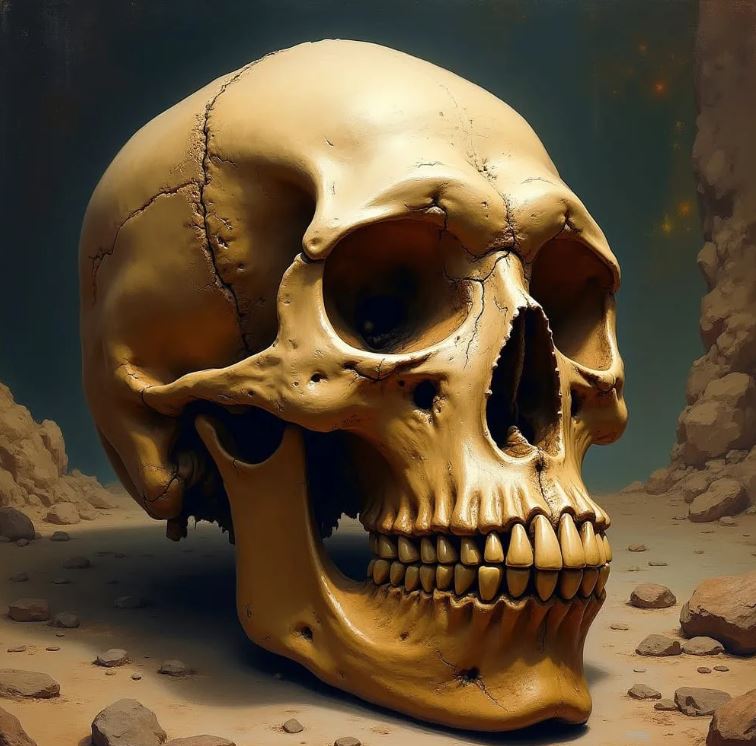
Experts debate if it’s an early Homo sapiens, a late Homo heidelbergensis, or a separate species called Homo helmei. It suggests human evolution was complex, with traits developing at different times across groups. The skull shows signs of illness or injury and possible hyena chewing. Its discovery site is tricky to study due to natural disruptions, leaving some questions unanswered.

Cradle of Humankind: Africa’s Origins
Cradle of Humankind: Africa’s Roots

Imagine a vast, sun-drenched continent, its landscapes stretching from golden savannas to lush river valleys, where the story of humanity began. This is Africa, the cradle of humankind, a place where our earliest ancestors took their first steps, shaped tools, and dreamed under starlit skies. For those who may know little about Africa, here is an invitation to explore its profound role in human history. We’ll journey through the remarkable discoveries at sites like Jebel Irhoud, Omo Kibish, Herto, and Florisbad, which reveal that Africa is not just a continent but the heartbeat of our shared origins. With warmth and clarity, let’s uncover how these ancient fossils and tools tell the story of Homo sapiens—that’s us—and why Africa holds the key to understanding who we are.

Africa: The Birthplace of Humanity

Africa is a continent of breathtaking diversity, home to 54 countries, over 2,000 languages, and cultures as vibrant as its landscapes. But long before modern nations, Africa was where our species, Homo sapiens, emerged. Scientists agree that modern humans evolved in Africa, a conclusion drawn from fossils, tools, and genetic evidence. The term “Cradle of Humankind” often refers to specific regions in Africa where pivotal discoveries have been made, but it also symbolizes the entire continent’s role as humanity’s birthplace. Unlike the old idea of a single “Garden of Eden” in East Africa, new evidence shows our origins were a pan-African story, with early humans living, hunting, and evolving across the continent.

Picture Africa 300,000 years ago: the Sahara was not a desert but a green corridor of grasslands and lakes, connecting North, East, and South Africa. Early Homo sapiens roamed these lands, their faces looking much like ours, though their skulls were slightly different. They hunted gazelles, crafted stone tools, and built fires, leaving traces of their lives in the earth. Sites like Jebel Irhoud in Morocco, Omo Kibish and Herto in Ethiopia, and Florisbad in South Africa have given us glimpses of these ancestors, each discovery pushing back the timeline of our species and deepening our connection to Africa.

Jebel Irhoud: The Oldest Known Homo sapiens

Let’s start in Morocco, at a rocky hill called Jebel Irhoud, about 100 kilometers west of Marrakech. In 1961, miners digging for barite stumbled upon a human skull, initially thought to be a 40,000-year-old Neanderthal. But in 2004, a team led by Jean-Jacques Hublin of the Max Planck Institute began re-excavating the site, uncovering skulls, jawbones, teeth, and tools from at least five individuals, including a child. Using advanced dating techniques, like thermoluminescence on heated flints, they found these remains were 300,000 to 350,000 years old—making them the oldest known Homo sapiens fossils.

The Jebel Irhoud people had faces remarkably like ours: short, flat, and modern-looking. But their braincases were longer and lower, more like earlier humans, suggesting their brains were still evolving toward the rounded shape we have today. They hunted gazelles, made Middle Stone Age tools, and used fire, showing behaviours we associate with modern humans.

These discoveries shattered the idea that Homo sapiens emerged only 200,000 years ago in East Africa. Instead, they point to a complex, continent-wide evolution, with North Africa playing a key role. As Hublin said, “The story of our species is not a simple one, it’s a pan-African process.”

For someone new to Africa, Jebel Irhoud is a reminder that Morocco, often seen as a land of markets and deserts, was once home to our earliest ancestors. Their tools, carried 50 kilometres from distant flint sources, show they were resourceful, planning ahead as they hunted and lived in a greener Sahara.

Omo Kibish: The Rift Valley’s Ancient Elders

Now, let’s travel to Ethiopia, in the Lower Omo Valley, where the Omo River winds through a rugged landscape. Between 1967 and 1974, a team led by Richard Leakey found fossilized bones at Omo Kibish, named Omo I and Omo II. These remains, discovered near the river’s edge, include braincases and fragmented bones from at least three individuals.

Initially dated to 130,000 years old, a 2022 study revised their age to about 233,000 years, making them some of the earliest Homo sapiens fossils. Omo I has a more modern, globular skull, while Omo II’s is longer and more archaic, showing the diversity among early humans even in one place. These people lived near a lake, likely fishing and hunting in a lush environment.

Their fossils, found kilometers apart, suggest a mobile group, perhaps following resources along the river. The Omo Kibish discoveries confirm East Africa’s importance in human evolution, but they also fit into the broader African story, connecting with sites like Jebel Irhoud.

Ethiopia, often called the “roof of Africa” for its highlands, is a land of ancient churches and vibrant markets today. But 233,000 years ago, it was a cradle for our species, where people with faces like ours began shaping the human story. The Omo fossils are a bridge to that past, showing how varied our ancestors were as they evolved.

Herto: A Family from Ethiopia’s Past

Still in Ethiopia, let’s visit Herto, in the Middle Awash region, where a team led by Tim White uncovered fossils in 1997. Dated to 160,000 to 154,000 years ago, the Herto remains include skulls of two adults and a child, about 6 to 7 years old, along with fragments of others. These fossils are more modern than Omo’s, with taller braincases and thinner cheekbones, though they still have some archaic traits.

The Herto people lived near a lake, butchering hippos and other animals with large stone tools, like cleavers, found at the site. Cut marks on animal bones and even on the human skulls suggest complex behaviors, possibly mortuary practices where the dead were honored or defleshed. The presence of snail shells and beach sand hints at a lakeside life, rich with resources.

What’s striking about Herto is the child’s skull, bearing manmade marks, a poignant reminder that these were families, not just fossils. They were named Homo sapiens idaltu (“elder” in the Afar language), though most scientists now see them as early Homo sapiens. For someone new to Africa, Herto shows Ethiopia’s deep human heritage, a place where our ancestors lived, loved, and mourned, much as we do today.

Florisbad: South Africa’s Early Contribution

Now, let’s head south to Florisbad, in South Africa’s Free State Province, where a partial cranium was found in 1932 by T.F. Dreyer. Dated to about 259,000 years ago, the Florisbad skull was once classified as Homo heidelbergensis, an earlier human species. But after the Jebel Irhoud discoveries, scientists like Jean-Jacques Hublin and Chris Stringer reclassified it as an early Homo sapiens, based on its modern traits, like a larger brain (1,400 cubic centimetres, bigger than modern averages).

The Florisbad individual lived in a region of open grasslands, likely hunting alongside Middle Stone Age tools, similar to those at Jebel Irhoud and Omo. Its mosaic of modern and archaic features—modern face, slightly archaic skull—supports the idea that Homo sapiens evolved gradually across Africa, not in one spot. South Africa, known today for its wildlife and cities like Cape Town, was a key player in this story, showing how southern populations contributed to our species’ origins.

African Multiregionalism: A Continent-Wide Story

These sites—Jebel Irhoud, Omo Kibish, Herto, and Florisbad—paint a picture of Homo sapiens emerging across Africa, a theory called “African multiregionalism.” Unlike the old idea of a single East African birthplace, this model suggests our ancestors were part of a large, interbreeding population that spread across the continent when the Sahara was green, 300,000 to 330,000 years ago. Fossils from Morocco to South Africa show a mix of modern and archaic traits, evolving at different rates: faces became modern first, while brains took longer to reach today’s shape.

Think of it like a tapestry woven across Africa. In Morocco, the Jebel Irhoud people had modern faces but archaic skulls. In Ethiopia, Omo I was more modern than Omo II, while Herto’s people were even closer to us. In South Africa, Florisbad’s skull hints at southern populations blending with others. Genetic studies support this, showing high diversity in African populations, with ancient lineages like mitochondrial haplogroups L0 and L1 rooted in the continent.

This pan-African process wasn’t tidy. Some groups, like those in North Africa, may have mixed with Neanderthals, while others in East and South Africa drove our species forward. The Sahara’s green phase allowed these groups to move and mix, creating a diverse, resilient population that eventually left Africa to populate the world.

Why These Discoveries Matter

For someone unfamiliar with Africa, these discoveries do more than rewrite history—they humanize it. The Jebel Irhoud people, hunting gazelles in a cave, were planners, carrying tools from afar. The Omo Kibish group, living by a river, were adaptable, thriving in a changing landscape. The Herto family, with their child’s marked skull, felt loss and ritual, just as we do. The Florisbad individual, with a brain larger than ours, was part of a southern story that shaped us all.

Africa’s role as the Cradle of Humankind challenges outdated views of the continent as “backward.” Long before pyramids or cities, African ancestors were innovating, using fire, and crafting tools that spread across the continent. Sites like Jebel Irhoud show North Africa’s deep human roots, while Omo and Herto highlight East Africa’s diversity. Florisbad proves the south was no backwater but a hub of evolution. Together, they show Africa as a vibrant, connected continent where our species was born.

Connecting to Africa Today

Today, Africa is home to over 1.4 billion people, from Morocco’s bustling souks to Ethiopia’s ancient churches, South Africa’s urban centers to Nigeria’s Nollywood. But its past is ever-present. The Timbuktu Manuscripts, tied to the Mali Empire, echo the intellectual legacy of our ancestors. Modern Africans carry the genetic diversity of those early Homo sapiens, a testament to the continent’s role as humanity’s cradle.

For those new to Africa, visiting its history can start small: read about Mansa Musa’s wealth, watch a documentary on Ethiopia’s rock-hewn churches, or explore South Africa’s fossil sites virtually. Each step connects you to the people of Jebel Irhoud, Omo, Herto, and Florisbad, who looked at the same stars we do, dreaming of a future that became us.

A Warm Invitation

Africa’s story is your story. The fossils of Jebel Irhoud, Omo Kibish, Herto, and Florisbad are your ancestors, their tools and fires the first sparks of human ingenuity. They didn’t live in one corner but roamed a continent, from Morocco’s hills to Ethiopia’s valleys, South Africa’s plains to beyond. Their legacy is Africa’s gift to the world: the dawn of Homo sapiens, woven across a vibrant land.

So, take a moment to feel the warmth of this truth: you are African by origin, tied to a continent of resilience and beauty. Let Jebel Irhoud’s ancient faces, Omo’s river dwellers, Herto’s lakeside family, and Florisbad’s lone skull remind you that we are all part of one human family, born in the heart of Africa, the Cradle of Humankind.

NOVA’s Dawn of Humanity (2015) documents the 2013 discovery of Homo naledi in South Africa’s Rising Star Cave. Lee Berger’s team uncovers 1,550+ fossils, revealing a hominin with ape-human traits. The film explores possible burial behaviour, reshaping human evolution theories.