The Mutapa Empire: Uncovering a 14th-Century African Powerhouse

Mutapa Empire

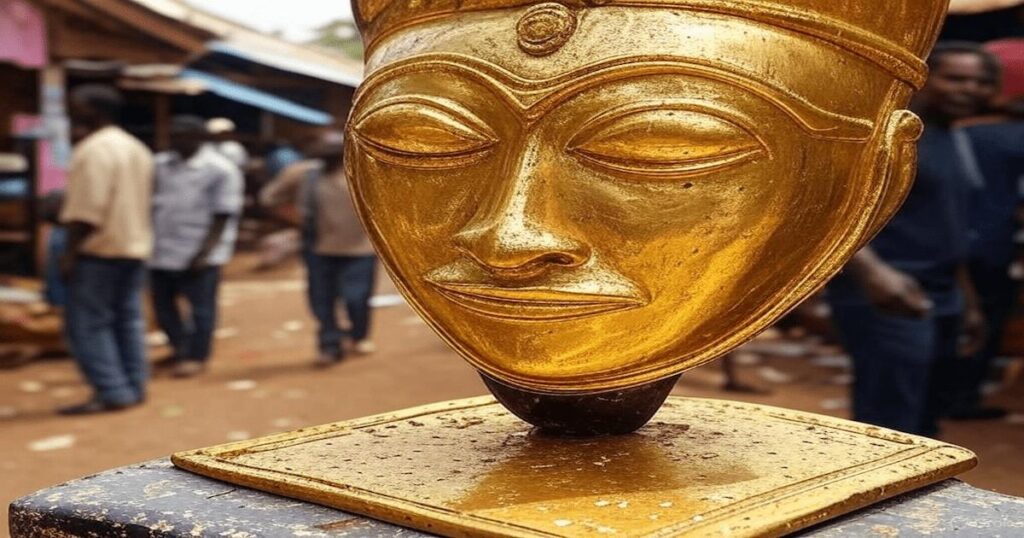
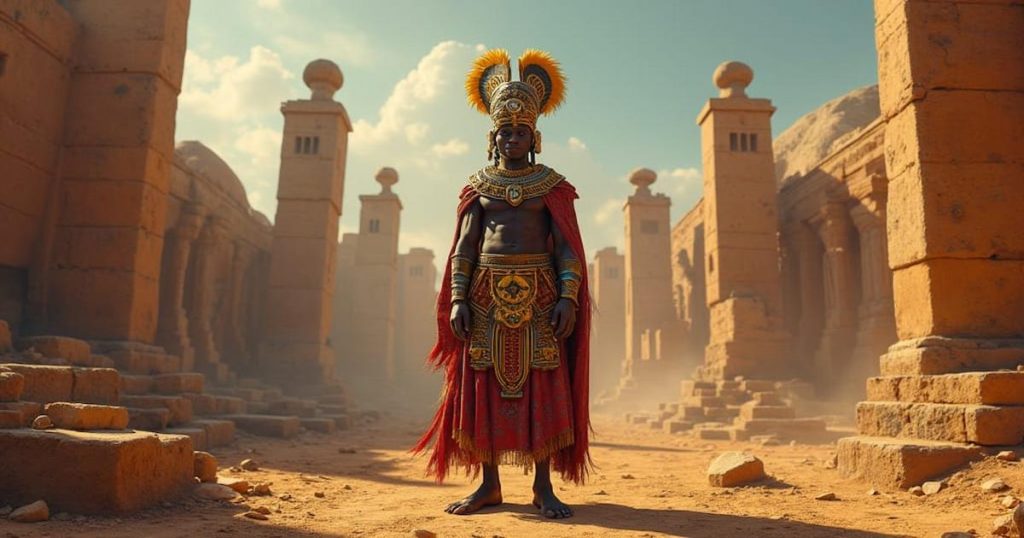
The Mutapa Empire, a 14th-century African powerhouse, thrived in trade, culture, and governance.

The Mutapa Empire: A Beacon of African Civilisation in the 14th Century
In the lush, mineral-rich lands of Southern Africa, where the Zambezi River carves its path through rolling savannas and rugged highlands, a powerful empire rose in the 14th century.

The Mutapa Empire, also known as Mwene Mutapa or Monomotapa, was a sophisticated African state that thrived from the early 1300s into the 18th century. Centred in what is now Zimbabwe and southern Zambia, this empire was a testament to the ingenuity, resilience, and cultural richness of African societies. Its story challenges outdated Western narratives that often portray precolonial Africa as primitive or disconnected from global history.

Instead, the Mutapa Empire reveals a vibrant civilisation that commanded trade networks, mastered metallurgy, and cultivated a complex socio-political system, all while navigating the challenges of its time.

I aim to illuminate the Mutapa Empire’s significance not only as a historical phenomenon but also as a lens through which we can critique and reimagine our understanding of global history. By centring the voices and achievements of the Global South, this blog seeks to honour the Mutapa people’s legacy while offering a constructive critique of how their story has been marginalised in mainstream historical narratives. Through this exploration, we can draw lessons for a more inclusive and equitable future.

Origins and Rise of the Mutapa Empire

The Mutapa Empire emerged around the early 14th century, born from the cultural and economic foundations laid by earlier African states, notably Great Zimbabwe. Great Zimbabwe, flourishing from the 11th to 15th centuries, was a monumental stone city renowned for its architectural prowess and role as a hub of Indian Ocean trade.

By the 1300s, as Great Zimbabwe’s influence waned, possibly due to environmental changes or resource depletion, power shifted northward, giving rise to the Mutapa state.

The Mutapa Empire was founded by a legendary figure, Nyatsimba Mutota, a prince from the declining Great Zimbabwe kingdom. Oral traditions, preserved by the Shona people who formed the empire’s core population, recount Mutota’s quest for new lands rich in salt and game.

He established his capital in the fertile Dande region, near the Zambezi River, where the Mutapa state began to coalesce. The title “Mwene Mutapa,” meaning “Lord of the Conquered Lands,” reflected the ruler’s authority over a vast territory that, at its peak, stretched from the Zambezi to the Limpopo River.

What makes the Mutapa Empire remarkable is its ability to build on the legacy of Great Zimbabwe while forging a distinct identity. The empire’s rise was not an isolated event but part of a broader pattern of state formation across Africa, from the Mali Empire in West Africa to the Kingdom of Aksum in the Horn.

These states demonstrate that African societies were not static but dynamic, capable of adapting to changing circumstances and innovating in governance, trade, and culture.

A Thriving Economy: Gold, Trade, and Global Connections

At the heart of the Mutapa Empire’s success was its economic prowess, driven by gold, agriculture, and strategic trade networks. The empire sat atop some of Africa’s richest goldfields, particularly in the Mazowe and Zambezi valleys. Gold mining was a sophisticated enterprise, with communities using advanced techniques to extract and process the metal.

This gold did not merely serve local needs; it fuelled a vast Indian Ocean trade network that connected the Mutapa Empire to distant lands, including India, China, and the Middle East.

Swahili merchants, operating from coastal city-states such as Kilwa and Sofala, served as intermediaries, transporting Mutapa gold, ivory, and copper to global markets. In return, the empire imported luxury goods, including Chinese porcelain, Persian glassware, and Indian textiles. Archaeological evidence from sites like Ingombe Ilede reveals the presence of these imported goods, underscoring the empire’s integration into global commerce.

This was no peripheral economy but a central node in a mediaeval world system that rivalled European and Asian trade networks.

The Mutapa Empire’s agricultural base was equally impressive.

The Shona people cultivated crops like millet, sorghum, and yams, using sophisticated farming techniques suited to the region’s variable climate. Cattle herding was a cornerstone of wealth and social status, with large herds symbolising power.

The empire’s ability to balance agriculture, mining, and trade created a resilient economy that sustained its population and attracted foreign interest.

Yet, Western historical narratives have often downplayed these achievements, focusing instead on European exploration and colonisation as the catalysts for Africa’s integration into the global economy.

This Eurocentric lens obscures the fact that African states like Mutapa were already global players long before Portuguese ships arrived on the East African coast in the 15th century.

By amplifying the Mutapa Empire’s economic contributions, we challenge the notion that African history only matters when viewed through a Western frame.

Political and Social Organisation: A Complex Society

The Mutapa Empire was not just an economic powerhouse; it was a politically sophisticated state with a centralised yet flexible system of governance.

The Mwene Mutapa, the paramount ruler, held both political and spiritual authority, seen as a divine king whose legitimacy was tied to ancestral traditions. This sacred kingship was common across African states, reflecting a worldview where leadership was inseparable from spiritual responsibility.

The empire’s political structure was hierarchical but decentralised. The Mwene Mutapa appointed provincial governors, often relatives or trusted allies, to oversee regional administration.

These governors managed tribute collection, labour mobilisation, and local justice, ensuring the empire’s cohesion across its diverse territories. The system allowed for local autonomy while maintaining loyalty to the central authority, a balance that enabled the empire to govern effectively over a vast region.

Socially, the Mutapa Empire was stratified yet inclusive. At the top were the royal family and nobility, followed by skilled artisans, farmers, and herders. Women played significant roles, particularly in agriculture and trade, and some held positions of influence as spirit mediums or advisors.

The empire’s religious system, centred on the worship of ancestral spirits and the high god Mwari, fostered social cohesion and provided a framework for resolving disputes and maintaining order.

One of the Mutapa Empire’s most striking features was its ability to integrate diverse ethnic groups, including the Shona, Tonga, and Tavara. This inclusivity was not without tensions, but it reflects a pragmatic approach to governance that prioritised stability and cooperation.

In contrast, Western colonial accounts often portrayed African societies as fragmented and chaotic, a stereotype used to justify conquest. The Mutapa Empire’s governance challenges this narrative, showcasing a model of African statecraft that was both effective and adaptive.


Cultural and Technological Achievements

The Mutapa Empire was a cultural and technological hub, producing art, architecture, and innovations that rivalled those of contemporary societies. The Shona people continued the stone-building tradition of Great Zimbabwe, constructing zimbabwes (stone enclosures) that served as royal residences and administrative centres. These structures, built without mortar, demonstrated advanced engineering and aesthetic sensibility.

Metallurgy was another area of excellence. Mutapa artisans crafted intricate gold and iron objects, from jewellery to tools, using techniques that required precise knowledge of smelting and forging.

These skills were not only practical but also symbolic, as metalwork was often imbued with spiritual significance. The empire’s cultural output, including pottery and textiles, reflected a rich artistic tradition that blended local and imported influences.

Religion and oral traditions were central to Mutapa culture.

Spirit mediums, who communicated with ancestors, played a key role in decision-making and conflict resolution. Oral histories, passed down through generations, preserved the empire’s stories and values, ensuring continuity even as external pressures mounted.

These traditions remind us that African societies had their systems of knowledge production, distinct from but equally valid as those in the West.

Western scholarship has often undervalued these cultural achievements, prioritising written records over oral traditions and stone architecture over ephemeral materials.

This bias reflects a broader failure to recognise the diversity of human civilisation. By celebrating the Mutapa Empire’s cultural legacy, we affirm the Global South’s contributions to the tapestry of world history.

Challenges and Encounters with the Portuguese

The Mutapa Empire’s story is not one of unmitigated triumph. By the late 15th century, the arrival of Portuguese traders and missionaries posed new challenges. Attracted by the empire’s gold wealth, the Portuguese sought to control trade routes and convert the population to Christianity.

Their accounts, such as those of chronicler João de Barros, provide valuable but biased insights into Mutapa society, often exaggerating European influence while downplaying African agency.

The Portuguese presence introduced tensions, including trade disruptions and occasional military conflicts. Some Mutapa rulers, like Gatsi Rusere in the 16th century, skilfully navigated these encounters, using diplomacy to maintain autonomy.

Others faced internal strife, as rival factions exploited Portuguese alliances to challenge the throne. These dynamics highlight the empire’s resilience but also its vulnerability to external pressures.

Critically, the Portuguese engagement with Mutapa was not a one-sided imposition. The empire’s rulers actively shaped these interactions, negotiating terms and leveraging European goods to bolster their authority.

This agency challenges the colonial narrative of African passivity, revealing a complex interplay of power and adaptation.

Legacy and Lessons for Today

The Mutapa Empire declined in the 18th century, weakened by internal divisions, environmental changes, and the intensifying slave trade, which disrupted regional stability.

Yet its legacy endures in the cultural practices, oral traditions, and archaeological sites of modern Zimbabwe and Zambia. The empire’s stone ruins, like those at Great Zimbabwe, stand as a testament to African ingenuity, while its trade networks prefigure the globalised world we inhabit today.

For the Global South, the Mutapa Empire offers a powerful reminder of precolonial African agency and achievement. Its story counters the lingering effects of colonial narratives that dehumanised and marginalised African histories. By reclaiming these narratives, we can inspire pride and confidence in African identity, fostering a sense of global belonging.

For Western society, the Mutapa Empire invites reflection on how history is taught and remembered. The marginalisation of African civilisations in global education systems reflects a broader failure to engage with the Global South as equal partners in human progress.

A more inclusive historiography, one that celebrates the Mutapa Empire alongside Rome or the Han Dynasty, can pave the way for mutual respect and collaboration.

The Mutapa Empire also speaks to contemporary challenges. Its sustainable agricultural practices and resilient trade networks offer lessons for addressing climate change and economic inequality.

Its ability to integrate diverse groups underscores the value of inclusivity in building cohesive societies. By learning from the Mutapa Empire, we can envision a future where the Global South’s voices are not just heard but amplified, driving progress for all.

Conclusion

The Mutapa Empire, rising in the 14th century, was a beacon of African civilisation, economically vibrant, politically sophisticated, and culturally rich. Its story challenges us to rethink global history, centring the contributions of the Global South and questioning the biases that have obscured them.

As we face a world grappling with division and inequality, the Mutapa Empire’s legacy offers hope: a vision of a society that thrived through ingenuity, adaptability, and connection. By honouring this history, we take a step toward a more equitable and interconnected future, where the lessons of the past illuminate the path forward.
The Vibrant Diversity of African Cultures and Languages

Vibrant Diversity

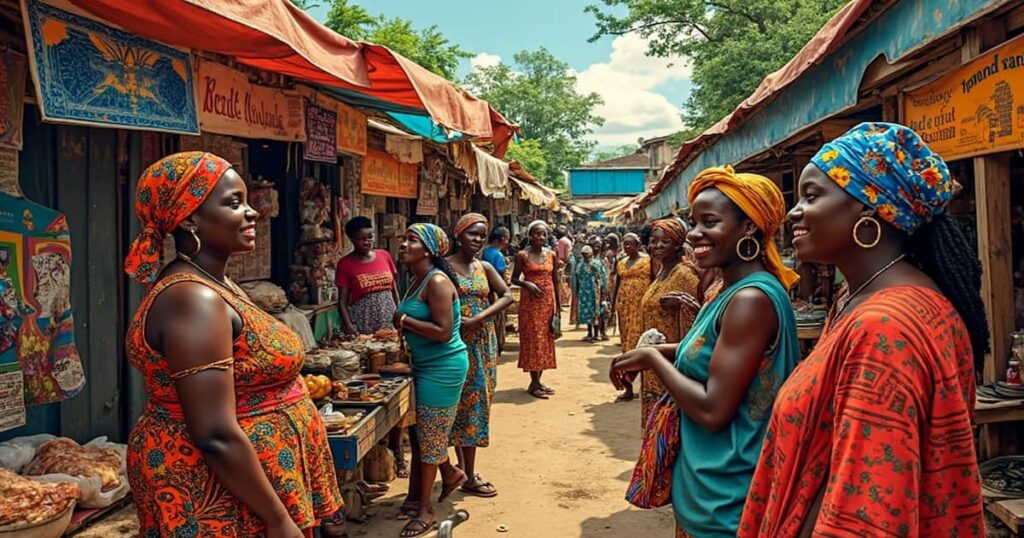
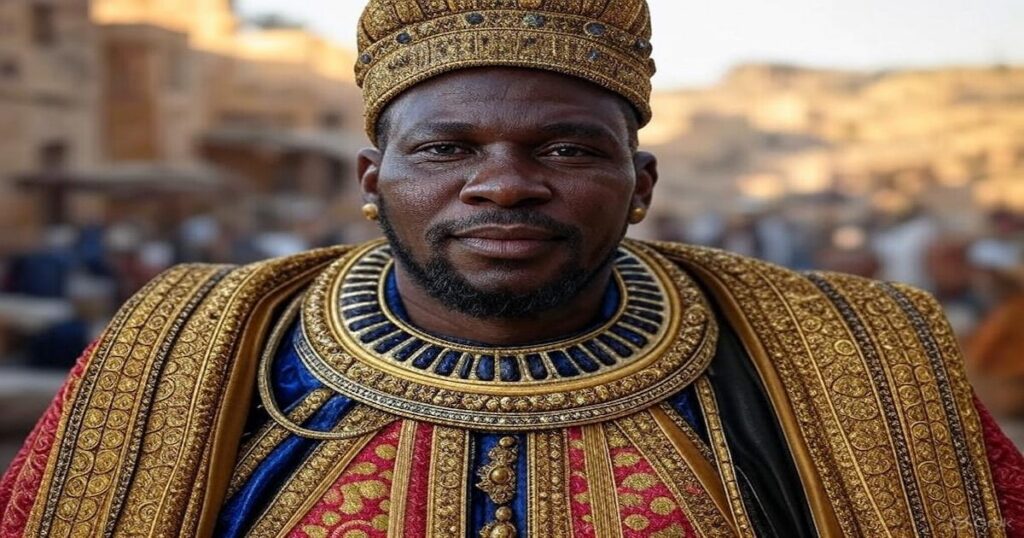
Africa’s diversity is reflected in its 3,000+ ethnic groups and 2,000+ languages, shaped by a rich history.

Africa, often referred to as the “cradle of humanity,” is a continent of unparalleled cultural and linguistic diversity.

Home to over 1.4 billion people across 54 countries, it boasts thousands of ethnic groups, languages, and cultural practices that have evolved over millennia. This diversity is rooted in Africa’s deep history, from ancient civilisations to colonial disruptions and modern nation-building.

By tracing the chronological development of Africa’s cultures and languages, we can better understand its rich tapestry and global influence. This blog explores the evolution of African cultural and linguistic diversity, from prehistoric origins to the present day, highlighting key periods and their impact on the continent’s identity.

Prehistoric Foundations: The Dawn of Diversity (Before 3000 BCE)

Africa’s cultural and linguistic diversity began with the emergence of early human societies. Archaeological evidence, such as fossils found in Ethiopia’s Omo Valley dating back 200,000 years, confirms Africa as the birthplace of Homo sapiens. These early communities, including hunter-gatherer groups like the San in Southern Africa and the Hadza in East Africa, developed distinct ways of life shaped by their environments. The San, for example, created intricate rock art and oral traditions, laying the foundation for cultural diversity.

Linguistic diversity also emerged early. Linguists estimate that proto-languages, ancestors of modern African language families, began forming as communities spread across diverse ecosystems, deserts, savannas, forests, and coasts. The four major language families, Niger-Congo, Afroasiatic, Nilo-Saharan, and Khoisan, likely originated during this period. Khoisan languages, characterised by click consonants, were spoken by Southern African hunter-gatherers, while proto-Niger-Congo languages emerged in West Africa, setting the stage for the Bantu migrations.

These early societies, though small, established unique cultural practices, from storytelling to spiritual beliefs tied to nature, which remain evident in modern African traditions.

Ancient Civilisations and Cultural Flourishing (3000 BCE–1000 CE)

By 3000 BCE, Africa saw the rise of complex societies that enriched its cultural and linguistic landscape. In Northeast Africa, the Kingdom of Aksum (modern-day Ethiopia and Eritrea) developed a sophisticated culture, blending indigenous practices with influences from trade across the Red Sea. Aksumites spoke Ge’ez, an Afroasiatic language, and their script became one of Africa’s earliest writing systems, used in religious texts like the Bible after the kingdom adopted Christianity in the 4th century CE. Aksum’s art, architecture, and coinage reflected a fusion of African, Arabian, and Greco-Roman elements, showcasing early cultural syncretism.

In West Africa, modern Nigeria’s Nok culture (circa 1000 BCE–300 CE) produced intricate terracotta sculptures, indicating advanced artistic traditions. The Nok likely spoke proto-Bantu languages, part of the Niger-Congo family, which spread as Bantu-speaking groups migrated across Central, East, and Southern Africa between 1000 BCE and 500 CE.

These migrations, driven by agricultural advancements like yam and sorghum cultivation, spread languages and cultural practices, such as ironworking and communal governance, across vast regions. By 500 CE, Bantu-speaking communities had established diverse societies, each adapting to local environments, from the Swahili coast to the Great Zimbabwe precursor societies.
North Africa’s ancient civilisations, like the Kingdom of Kemet (Egypt), also contributed to linguistic and cultural diversity. Egyptian hieroglyphs, an Afroasiatic writing system, recorded a rich art, religion, and governance culture.

Meanwhile, Berber-speaking communities in the Maghreb developed distinct pastoral and trading cultures, with Tamazight languages diversifying into dialects still spoken today. These early civilisations laid the groundwork for Africa’s mosaic of ethnic identities, with each group developing unique customs, from Egyptian mummification to Nok pottery.

The Rise of Empires and Trade Networks (1000 CE–1500 CE)

The medieval period saw the emergence of powerful African empires that further diversified cultural and linguistic landscapes through trade, conquest, and cultural exchange. In West Africa, the Ghana Empire (circa 300–1200 CE) thrived on the gold and salt trade, fostering a cosmopolitan culture among Mande-speaking peoples.

The empire’s capital, Kumbi Saleh, was a melting pot where Islamic influences from North Africa blended with indigenous animist beliefs, creating syncretic practices like the use of griots, or historians and musicians who preserved Mande history in song.

The Mali Empire (1235–1600 CE), succeeding Ghana, amplified this cultural fusion. Under rulers like Mansa Musa, Mali became a global learning centre in Timbuktu, where scholars wrote in Arabic and local languages like Songhay and Fulfulde.

The empire’s wealth attracted traders from the Middle East and Europe, spreading Islamic art, architecture, and literacy while reinforcing the Niger-Congo language family’s dominance in West Africa. The Songhai Empire (circa 1400–1591 CE) continued this legacy, with Songhai becoming a primary language alongside Hausa and Wolof.

In East Africa, the Swahili city-states (circa 800–1500 CE) emerged along the coast, blending Bantu languages with Arabic to create Kiswahili, a lingua franca of trade. Swahili culture, characterised by coral-stone architecture and poetry, reflected influences from Persia, India, and Arabia, driven by Indian Ocean trade. Meanwhile, in Southern Africa, the Kingdom of Mapungubwe (circa 1075–1220 CE) showcased advanced goldwork and trade with Asia, with Shona-speaking communities laying cultural foundations for the later Great Zimbabwe.

These empires and trade networks fostered linguistic diversity by spreading languages like Arabic, Kiswahili, and Hausa. At the same time, cultural practices, such as Mali’s epic poetry or Swahili’s dhow-building, reflected local adaptations. However, this period also saw tensions, as ethnic groups competed for resources, shaping distinct identities like the Yoruba in Nigeria or the Akan in Ghana.

Colonial Disruption and Cultural Resilience (1500 CE–1900 CE)

The arrival of European colonial powers in the 15th century profoundly impacted Africa’s cultural and linguistic diversity. The transatlantic slave trade (1500–1800) forcibly removed millions of Africans, primarily from West and Central Africa, disrupting communities and scattering languages like Yoruba, Igbo, and Kongo to the Americas.

This diaspora created new African-influenced cultures abroad, but in Africa, it weakened ethnic groups and eroded oral traditions as communities were decimated.

By the 19th century, colonial partition under the 1884 Berlin Conference carved Africa into arbitrary borders, often splitting ethnic groups and languages. For example, the Ewe people were divided between British-controlled Gold Coast (Ghana) and German-controlled Togoland, complicating cultural cohesion. Colonial powers imposed European languages—English, French, Portuguese, and German—as administrative tools, marginalising indigenous languages. Dutch and British colonisation in South Africa introduced Afrikaans, a creole language, while suppressing Khoisan and Nguni languages like Xhosa and Zulu.

Despite these disruptions, African cultures showed resilience. Secret societies, like the Poro and Sande among the Mende in Sierra Leone, preserved traditional knowledge. Resistance movements, such as the Zulu under Shaka (early 1800s), reinforced cultural pride through military and social organisation.

In West Africa, the Sokoto Caliphate (1804–1903) unified Hausa and Fulani peoples under Islamic governance, promoting Hausa as a literary language while maintaining ethnic diversity. Similarly, the Asante Empire in Ghana preserved Akan culture through oral histories and kente cloth, even under British pressure.

Colonialism also introduced Christianity, which blended with indigenous beliefs to create syncretic religions, like the Aladura churches among the Yoruba. These adaptations ensured that cultural practices, from music to dance, endured, even as colonial languages began reshaping linguistic landscapes.

Post-Colonial Revival and Challenges (1900 CE–2000 CE)

The 20th century marked Africa’s struggle for independence and efforts to reclaim cultural and linguistic identity. As countries gained independence, Ghana in 1957, Nigeria in 1960, and others through the 1960s, leaders like Kwame Nkrumah and Jomo Kenyatta emphasised cultural revival. Pan-Africanism, championed by figures like W.E.B. Du Bois, promoted unity among Africa’s diverse ethnic groups, celebrating shared heritage through festivals like FESMAN (1966) in Senegal.

However, colonial legacies posed challenges. Newly independent nations inherited artificial borders, leading to ethnic conflicts, such as the Nigerian Civil War (1967–1970) between Igbo, Yoruba, and Hausa groups. Linguistic diversity complicated nation-building, as governments often adopted colonial languages—English in Nigeria, French in Senegal—as official languages to unify diverse populations. These marginalised indigenous languages, with only a few, like Kiswahili in Tanzania and Kenya, have gained official status.

Cultural revival efforts flourished despite these challenges. In Nigeria, the Yoruba-language theatre of Hubert Ogunde popularised indigenous storytelling, while in Senegal, Léopold Sédar Senghor’s Négritude movement celebrated African art and identity. Music genres like highlife in Ghana, jùjú in Nigeria, and mbalax in Senegal blended traditional rhythms with modern influences, showcasing cultural dynamism. Meanwhile, languages like Amharic in Ethiopia and Zulu in South Africa were standardised for education, preserving linguistic diversity.

Globalisation introduced new influences, from Hollywood to Nollywood, Nigeria’s booming film industry, which promoted Yoruba, Hausa, and Igbo languages. However, urbanisation and migration threatened smaller languages, like those of the Khoisan, with some facing extinction. By 2000, UNESCO estimated that Africa had over 2,000 languages, but many were endangered due to globalisation and dominant national languages.

Modern Africa: Celebrating and Preserving Diversity (2000 CE–Present)

Today, Africa’s cultural and linguistic diversity is both celebrated and challenged in a globalised world. The continent is home to over 3,000 ethnic groups and an estimated 2,000–3,000 languages, roughly one-third of the world’s total. Nigeria alone has over 500 languages, including Yoruba, Hausa, and Igbo, while Ethiopia’s 80+ ethnic groups speak languages from the Afroasiatic and Nilo-Saharan families. Kiswahili, now an official language of the African Union, is spoken by over 150 million people, reflecting Africa’s linguistic influence.

Cultural festivals, like Nigeria’s Durbar and South Africa’s Reed Dance, showcase ethnic traditions, from Hausa horsemanship to Zulu beadwork. Digital platforms have amplified African voices, with musicians like Burna Boy (Nigeria) and Black Coffee (South Africa) blending Afrobeat and amapiano with global sounds. Nollywood, producing over 2,500 films annually, promotes languages like Yoruba and pidgin English, while social media platforms like X highlight cultural pride, with users sharing traditional recipes or dances.

Yet, challenges persist. Urbanisation and education systems favouring English, French, or Arabic threaten smaller languages, with UNESCO reporting that half of Africa’s languages could vanish by 2100. Efforts like South Africa’s 11 official languages policy, including Xhosa and Sesotho, aim to preserve linguistic diversity, but implementation is uneven. Cultural homogenization, driven by global media, also risks diluting traditions, though initiatives like Ghana’s “Year of Return” (2019) have revitalised diaspora connections to African heritage.

Technology offers hope for preservation. Apps like Twi Teacher (for Ghana’s Akan language) and digital dictionaries for languages like Shona and Wolof support language learning. Organisations like the African Language Materials Archive digitise oral traditions, while universities in Kenya and South Africa develop curricula in indigenous languages. Meanwhile, cultural exchanges, such as Nigeria’s collaboration with Brazil to promote Yoruba culture, highlight Africa’s global influence.

Conclusion: A Tapestry of Resilience

Africa’s cultural and linguistic diversity is a testament to its resilience through millennia of change. From prehistoric hunter-gatherers to ancient empires, medieval trade networks, colonial disruptions, and modern globalisation, the continent has woven a complex tapestry of over 3,000 ethnic groups and 2,000 languages. Each period—marked by innovation, adaptation, and resistance—has enriched this diversity, from Aksum’s Ge’ez script to Nollywood’s cinematic storytelling. While challenges like language loss and cultural homogenization persist, Africa’s commitment to celebrating its heritage through festivals, education, and technology ensures its legacy endures. As the continent navigates the 21st century, its diverse cultures and languages remain a vibrant gift to the world, reflecting a history of unity in diversity.

African Empires: The Untold Story of a Continent’s Greatness

African Empires

When you think of empires, your mind might jump to Rome, Persia, or the sprawling dynasties of China. But Africa, often sidelined in global history, was home to some of the most remarkable, innovative, and powerful empires the world has ever seen. These weren’t just kingdoms with a few villages; they were sophisticated societies with complex economies, vibrant cultures, and influence that stretched far beyond their borders.

We will be focusing on the Kingdom of Aksum, the Mali Empire, the Songhai Empire, and Great Zimbabwe to show you a side of Africa that’s rarely spoken about in mainstream media.

Those who are new to African history or not used to diving into heavy books, this is a journey through a continent that shaped the world in ways you might not expect.

Why African Empires Matter

Africa’s history is often misunderstood, reduced to stereotypes of poverty or tribalism, or viewed through the lens of colonialism. But long before European ships arrived, African empires were thriving hubs of trade, learning, and culture.

These societies weren’t isolated; they connected with Europe, Asia, and the Middle East, trading gold, salt, and ideas. Their cities rivaled those of medieval Europe, and their rulers wielded power that commanded respect across continents.

Understanding these empires isn’t just about correcting the record, it’s about recognizing Africa’s role as a global player, then and now. Let’s explore four empires that showcase Africa’s diversity and strength: Aksum in East Africa, Mali and Songhai in West Africa, and Great Zimbabwe in Southern Africa. Each tells a unique story of innovation, resilience, and legacy.

The Kingdom of Aksum (100–940 CE): The Crossroads of the World

Imagine a kingdom in what’s now Ethiopia and Eritrea, perched on the Horn of Africa, where trade routes from Rome, Persia, and India converged. That was Aksum, a powerhouse from roughly 100 to 940 CE. Aksum wasn’t just a middleman in global trade; it was a cultural and economic force that left a mark still visible today.

A Trading Giant: Aksum’s location by the Red Sea made it a linchpin in ancient trade. Its ports buzzed with merchants trading ivory, gold, and frankincense for silk, spices, and glass from as far as China.

Aksum even minted its gold coins, a rarity in the ancient world, stamped with the faces of its kings. These coins have been found as far away as India, proof of Aksum’s far-reaching influence.

Cultural and Religious Pioneer: Aksum wasn’t just about wealth; it was a cradle of ideas. Around 330 CE, King Ezana converted to Christianity, making Aksum one of the first Christian states in the world, long before most of Europe.

Massive stone obelisks, some over 100 feet tall, still stand in Aksum today, carved with intricate designs to honor kings and gods. The kingdom also developed Ge’ez, one of Africa’s first written languages, which is still used in Ethiopian churches.

Why It Fell: By the 10th century, Aksum’s power waned. Climate change may have hurt agriculture, and the rise of Islamic trade routes shifted commerce away from the Red Sea.

But Aksum’s legacy endures in Ethiopia’s Christian traditions and its role as a symbol of African sophistication. Aksum shows us an Africa that was globally connected, not isolated. It wasn’t a backwater; it was a beacon of trade and faith.

The Mali Empire (1235–1600 CE): The Land of Gold and Learning

Fast-forward to West Africa, where the Mali Empire rose in the 13th century, becoming one of the richest and most intellectually vibrant empires in history. Stretching across modern-day Mali, Senegal, Guinea, and Mauritania, Mali was a land of gold, scholars, and cities that awed travelers from afar.

The Golden King: Mali’s fame peaked under Mansa Musa, who ruled from 1312 to 1337 and is often called the richest person in history. Mali’s gold mines supplied half the world’s gold in the Middle Ages, and Musa’s wealth was legendary.

In 1324, he made a pilgrimage to Mecca, carrying so much gold that he crashed Egypt’s economy by giving it away. His journey wasn’t just a flex; it put Mali on the map, drawing scholars and traders to his empire.

Timbuktu: The World’s University: Mali’s city of Timbuktu was a global center of learning. It’s Sankore University attracted scholars from across Africa, the Middle East, and Europe, who studied math, astronomy, and Islamic law.

Libraries held thousands of manuscripts, some of which survive today, covering everything from poetry to medicine. Timbuktu wasn’t just a city; it was a symbol of African intellectual might.

A Sophisticated Society: Mali’s rulers, or mansas, governed a vast empire with a complex bureaucracy. They taxed trade routes that carried gold, salt, and slaves across the Sahara, ensuring stability and wealth. Griots, oral historians, preserved the empire’s stories, blending history with art in a tradition still alive in West Africa.

Decline and Legacy: By the 1600s, internal power struggles and invasions weakened Mali, paving the way for its successor, the Songhai Empire. But Mali’s legacy lives on in West Africa’s cultural traditions and the enduring fame of Timbuktu.

Mansa Musa’s name still echoes as a symbol of African wealth and wisdom. Mali teaches us that Africa wasn’t just rich in resources but in knowledge, challenging the idea that the continent lagged behind the world.

The Songhai Empire (1464–1591 CE): The Military and Cultural Titan

If Mali was the scholar, Songhai was the warrior. Rising in the 15th century in what’s now Niger, Nigeria, and Mali, Songhai became West Africa’s largest empire, blending military might with cultural brilliance.

A Military Machine: Songhai’s rise began under Sunni Ali, a brilliant general who ruled from 1464 to 1492. He conquered Timbuktu and Djenné, building an empire that stretched from the Atlantic to the Niger River.

His navy patrolled the Niger, and his cavalry dominated the savanna. Songhai’s army wasn’t just big; it was disciplined, with a chain of command that rivaled modern militaries.

Askia the Great: After Sunni Ali, Askia Muhammad (r. 1493–1528) took Songhai to new heights. A devout Muslim, he standardized weights and measures, boosted trade, and made Timbuktu a cultural hub again.

His pilgrimage to Mecca, less extravagant than Musa’s but equally impactful, strengthened ties with the Islamic world. Askia’s reforms made Songhai a model of governance, with provinces ruled by loyal governors.

Cultural Flourishing: Songhai’s cities were cosmopolitan, blending African traditions with Islamic influences. Djenné’s Great Mosque, a masterpiece of mud-brick architecture, still stands as a testament to the empire’s artistry. Scholars in Timbuktu wrote treatises on law and science, while traders connected Songhai to North Africa and beyond.

The Fall: Songhai’s end came in 1591, when Moroccan invaders, armed with guns, defeated its army at the Battle of Tondibi. The empire fractured, but its influence lingered in West Africa’s political and cultural traditions.

Songhai shows us an Africa that balanced strength and sophistication, proving the continent could produce empires as organized as any in Europe or Asia.

Great Zimbabwe (1100–1450 CE): The Stone City of the South

In Southern Africa, Great Zimbabwe stood as a testament to African ingenuity. Centered in modern-day Zimbabwe and southern Mozambique, this empire thrived from the 11th to 15th centuries, building stone cities that stunned later explorers.

A City of Stone: Great Zimbabwe’s capital, also called Great Zimbabwe, was a marvel. Its massive stone walls, built without mortar, enclosed palaces, markets, and homes.

The Great Enclosure, a circular complex, and the Conical Tower remain iconic symbols of African architecture. This wasn’t a small settlement; it housed up to 18,000 people, rivaling medieval London.

Trade and Wealth: Great Zimbabwe sat on gold and ivory trade routes linking Africa’s interior to the Indian Ocean. Merchants traded with Persia, India, and China, exchanging gold for porcelain and beads.

Archaeological finds, like Chinese ceramics, show the empire’s global reach. Cattle herding also fueled its economy, with wealth measured in herds.

Mystery and Misconception: Great Zimbabwe’s decline, likely due to overgrazing or trade shifts, left its ruins abandoned by the 15th century.

When Europeans found them in the 19th century, some refused to believe Africans built them, spinning myths of foreign origins. But archaeology confirms Great Zimbabwe was an African creation, tied to the Shona people’s traditions.

Legacy: Great Zimbabwe’s name lives on in the modern nation of Zimbabwe, and its ruins are a UNESCO World Heritage Site. It proves Southern Africa’s precolonial greatness, challenging narratives that downplay the region’s history.

Great Zimbabwe reminds us that Africa’s brilliance wasn’t confined to one region—it spanned the continent, from stone cities to golden empires.

What These Empires Teach Us

These four empires—Aksum, Mali, Songhai, and Great Zimbabwe—depict a dynamic, connected, and powerful Africa. They traded with the world, built monumental architecture, and fostered learning and culture.

Their rulers weren’t just warlords; they were administrators, diplomats, and patrons of the arts. Their cities, from Timbuktu to Great Zimbabwe, were as impressive as any in medieval Europe or Asia.

But their stories also challenge us to rethink Africa’s place in history. Why are these empires less known than Rome or the Mongols? Colonialism played a role, erasing or sidelining African achievements to justify exploitation.

Even today, stereotypes persist, painting Africa as a continent of chaos rather than creativity. These empires prove otherwise, showing a continent that shaped global trade, religion, and knowledge for centuries.

Why This Matters Today

The legacy of African empires isn’t just in ruins or manuscripts—it’s in the resilience of African cultures. The griots of Mali still sing of Mansa Musa.

Ethiopia’s churches trace their roots to Aksum. The Shona people honor Great Zimbabwe’s heritage. These empires remind us that Africa’s story is one of innovation and strength, not just struggle.

For those new to African history, this is an invitation to dig deeper. Visit Ethiopia’s obelisks, explore Timbuktu’s manuscripts online, or read about

Mansa Musa’s pilgrimage. Africa’s past isn’t a footnote; it’s a foundation of world history. By learning about these empires, you’re not just discovering Africa, you’re uncovering a richer, truer story of humanity.

The Golden Thread: Africa’s Gold Trade and Its Timeless Allure

Gold Trade

In the heart of Africa, where the sun kisses the earth with a fiery glow, gold has long been more than a metal, It’s a story, a dream, a pulse of power and prestige. From the ancient kingdoms of the Sahel to the bustling ports of the Swahili Coast, the gold trade wove a glittering tapestry across the continent, connecting distant lands and shaping civilisations.

For those new to Africa’s past, this is not just a tale of commerce but a saga of ambition, ingenuity, and resilience that spanned over two millennia, from roughly 1000 BCE to the 19th century CE. Let us embark on a journey through time, tracing the rise, zenith, and transformation of Africa’s gold trade, with a storyteller’s heart to captivate and enchant.

The Dawn of Gold: Ancient Beginnings

Gold, that radiant symbol of wealth, has sparkled in Africa’s story since time immemorial. The continent’s geological bounty, rich with gold deposits, lay scattered across its landscapes, from the highlands of Zimbabwe to the riverbeds of West Africa.

As early as 1000 BCE, African communities were mining this treasure, not with industrial machines but with skillful hands, using pans, picks, and communal labor. Gold was revered, not just for its lustre but for its spiritual weight, often associated with divine favour and royal authority.

In ancient Nubia, along the Nile in modern-day Sudan, the Kingdom of Kush (c. 1070 BCE–350 CE) was among the first to harness gold’s power. The Kushites, master traders and artisans, extracted gold from the Nubian Desert, crafting it into jewellery and offerings for their gods.

Their gold flowed north to Egypt, adorning pharaohs’ tombs and temples. Imagine the sight: Nubian caravans, laden with shimmering nuggets, crossing the desert under starlit skies, their wealth fuelling an empire that rivalled Egypt’s grandeur.

Yet, it was in West Africa, centuries later, that the precious metal trade truly blossomed. The region’s savannas and forests, crisscrossed by rivers like the Niger and Senegal, hid vast goldfields.

By the 4th century CE, local communities in modern-day Ghana, Mali, and Senegal were mining gold, trading it with neighbours, and forging connections that would reshape the world. This was the seed of Africa’s golden age, a time when empires would rise on the strength of this precious metal.

The Rise of Empires: Ghana and the Trans-Saharan Trade

The precious metal trade’s first great chapter unfolded in West Africa with the rise of the Ghana Empire (c. 300–1200 CE). Centred in what is now south-eastern Mauritania and western Mali, Ghana was a land of legend, its capital, Kumbi Saleh, a bustling hub of commerce.

The empire’s wealth stemmed from its control of goldfields in the Bambuk and Bure regions, where miners, often women, sifted rivers for alluvial gold. This wasn’t just labor, it was an art, a communal dance of skill and tradition.

Ghana’s genius lay in its mastery of the trans-Saharan trade. By the 8th century CE, Arab and Berber traders, riding camels across the Sahara’s dunes, linked West Africa to North Africa and beyond.

The precious metal was the star of this trade, carried north in camel caravans alongside ivory, salt, and slaves. In return, Ghana received horses, textiles, and knowledge, Islamic scholarship, writing, and architecture. The empire’s kings, known as the Wagadu, taxed this trade, amassing wealth so vast that Arab chroniclers like Al-Bakri marvelled at their courts, where precious metal adorned everything from sceptres to horse bridles.

Picture the scene: a Ghanaian king, resplendent in gold-embroidered robes, presiding over a market where merchants haggled in a dozen tongues. The air hums with the clink of precious metal nuggets, the scent of spices, and the rhythm of griots singing royal praises.

Ghana’s precious metal didn’t just enrich its rulers; it fuelled a cultural renaissance, blending African traditions with Islamic influences. Mosques rose alongside ancestral shrines, and Timbuktu, though not yet famous, began its ascent as a scholarly beacon.

The Golden Zenith: Mali and Songhai

Ghana’s fall around 1200 CE, weakened by invasions and drought, only set the stage for a greater empire: Mali (c. 1230–1600 CE). Mali was the gold trade’s crescendo, a kingdom whose name still evokes awe.

Founded by Sundiata Keita, a warrior-king of mythic stature, Mali stretched from the Atlantic to the Niger River, encompassing goldfields in Bambuk, Bure, and Akan. Its capital, Niani, was a cosmopolitan crossroads, but it was Timbuktu that became the world’s precious metal standard for learning and wealth.

Mali’s precious metal trade was a marvel of organisation. Miners, traders, and royal officials worked in harmony, with the Mansa (king) overseeing the flow of precious metal. The Akan goldfields, in modern-day Ghana, became a major source, with their forest communities supplying gold to Mali’s markets.

Caravans, sometimes thousands of camels strong, carried gold north to cities like Sijilmasa and Tunis, where it entered the Mediterranean and Middle Eastern economies. By the 14th century, Mali’s precious metal underpinned global trade, stabilising currencies from Cairo to Cordoba.

The most iconic moment came in 1324, when Mansa Musa, Mali’s greatest ruler, embarked on a pilgrimage to Mecca. His caravan, laden with 18 tons of precious metal, dazzled the Islamic world.

In Cairo, Musa’s generosity, handing out precious metal to scholars, merchants, and the poor, caused inflation that lingered for years. His journey wasn’t just a display of wealth but a diplomatic masterstroke, putting Mali on the world map. European cartographers, awed by tales of a golden king, began depicting Mali on maps like the Catalan Atlas, with Musa holding a gold nugget.

Mali’s precious metal fuelled a cultural golden age. Timbuktu’s Sankore University drew scholars from across the Islamic world, its libraries brimming with manuscripts on astronomy, law, and poetry.

Griots, the oral historians, wove tales of Mali’s glory, their voices echoing in mud-brick mosques. Precious metal wasn’t just currency; it was the lifeblood of a civilisation that married wealth with wisdom.

By the 15th century, the Songhai Empire (c. 1464–1591 CE) inherited Mali’s mantle. Centred in Gao, Songhai expanded the precious metal trade, controlling the same trans-Saharan routes. Askia Muhammad, its greatest ruler, streamlined trade and pilgrimage routes, ensuring precious metal flowed smoothly to North Africa.

Songhai’s markets glittered with gold dust, weighed on delicate scales, as traders from Venice and Constantinople vied for a share. Yet, Songhai’s reliance on precious metals made it vulnerable. When Moroccan invaders, armed with gunpowder, sacked Gao in 1591, the empire crumbled, signalling the end of West Africa’s golden empires.

The East African Gold Trade: Great Zimbabwe and the Swahili Coast

While West Africa’s precious metal dazzled the Sahara, East Africa’s precious metal trade sparkled along the Indian Ocean. The Kingdom of Great Zimbabwe (c. 1100–1450 CE), in modern-day Zimbabwe and southern Mozambique, was a powerhouse built on precious metal.

Its goldfields, nestled in the Zambezi and Limpopo valleys, supplied the Swahili Coast’s ports, Kilwa, Sofala, and Mombasa, where African, Arab, and Indian traders met.

Great Zimbabwe was a marvel of engineering, its stone palaces, like the Great Enclosure, built without mortar. Precious metal was mined by local Shona communities, smelted into ingots, and traded for Chinese porcelain, Persian glass, and Indian textiles.

Kilwa, described by traveller Ibn Battuta as “one of the finest cities,” was the hub of this trade, its sultans amassing fortunes. By the 13th century, East African gold reached as far as China and India, carried by monsoon-driven dhows.

Imagine the Swahili Coast: coral-stone mosques gleaming against turquoise waters, merchants bartering gold for silk under palm-fringed skies. This was a cosmopolitan world where African ingenuity met global ambition.

Great Zimbabwe’s decline, likely due to environmental strain, didn’t dim the coast’s lustre. Ports like Mombasa thrived into the 16th century, until Portuguese colonisers disrupted the trade, redirecting gold to Europe.

The Twilight and Transformation: Colonial Shadows

By the 16th century, Africa’s gold trade faced new challenges. European powers, Portuguese, Dutch, and British, sought to control the continent’s wealth. In West Africa, the Akan states, like Asante (c. 1701–1901), rose to prominence, their goldfields fuelling a powerful empire.

Asante’s kings, adorned in gold regalia, resisted European encroachment, but the Atlantic slave trade, peaking in the 17th–19th centuries, shifted focus from gold to human cargo. Gold still flowed, but its prominence waned as colonial powers plundered Africa’s resources.

The 19th century brought industrial mining, with Europeans exploiting South Africa’s Witwatersrand goldfields, discovered in 1886.

Traditional African mining, once a communal art, was overshadowed by colonial enterprises. Yet, Africa’s gold trade never truly ended; it transformed, feeding global markets while leaving a legacy of resilience.

Africa’s Gold

Africa’s gold trade is a saga of human spirit, a thread that stitched empires to the world. From Kush’s desert caravans to Mali’s scholarly cities, Great Zimbabwe’s stone palaces, and Kilwa’s coral ports, gold was more than wealth; it was a catalyst for culture, connection, and creativity.

For those new to Africa, this story dispels myths of a “dark continent,” revealing a land of light, where gold illuminated paths to greatness.

Stand on the banks of the Niger, where miners still pan for gold, or gaze at Great Zimbabwe’s ruins, where stones whisper of ancient wealth.

Feel the pulse of Timbuktu, where manuscripts preserve a golden age. Africa’s gold trade is not just history, it’s a legacy reminder that this continent, with its radiant heart, has always shaped the world’s dreams.