The Kingdom of Kush: A Tapestry of Triumph and Timeless Glory

Kingdom of Kush

In the cradle of the Nile, where the river’s azure veins weave through the sun-scorched sands of modern-day Sudan, there thrived a civilisation that pulsed with power, artistry, and ambition: the Kingdom of Kush. For those unfamiliar with Africa’s ancient wonders, Kush is not merely a footnote in history but a radiant chapter that rivals the grandeur of Egypt, its northern neighbour.

With a history spanning over a millennium, from roughly 1070 BCE to 350 CE, Kush was a beacon of resilience, innovation, and cultural splendour. Let us embark on a journey through time, tracing the rise, reign, and eventual twilight of this extraordinary kingdom, with a storyteller’s heart to captivate and enlighten.

The Dawn of Kush: Roots in Nubia

To understand Kush, we must first meet Nubia, the land that birthed it. Stretching along the Nile from Aswan in southern Egypt to Khartoum in Sudan, Nubia was a corridor of commerce and culture, blessed by the river’s fertile embrace. The people of Nubia, dark-skinned and proud, were master traders, artisans, and warriors, whose lives intertwined with Egypt’s as early as 3000 BCE. Gold, ivory, ebony, and incense flowed from Nubia’s heart, making it a coveted prize for Egyptian pharaohs.

By the 16th century BCE, Egypt’s New Kingdom had subjugated Nubia, imposing governors and extracting tribute. Yet, far from being mere vassals, the Nubians absorbed Egyptian customs—gods like Amun, hieroglyphic writing, and pyramid-building, while preserving their identity. This cultural dance set the stage for Kush’s emergence. When Egypt’s power waned around 1070 BCE, fragmented by internal strife, Nubia seized its moment. From the city of Napata, nestled at the foot of the sacred Jebel Barkal mountain, a new power arose: the Kingdom of Kush.

The Rise of Napata: Kings and Conquerors

Napata was no ordinary city. Its towering sandstone cliffs and the looming presence of Jebel Barkal, believed to be the dwelling place of the god Amun, imbued it with divine significance. Here, a line of ambitious rulers forged a kingdom that would not only reclaim Nubian pride but also etch its name in the annals of history. The first great king we know of is Alara, a shadowy figure from the 8th century BCE, credited with unifying Nubian tribes and laying the foundations of Kushite power. His successors, however, would shine even brighter.

Enter Kashta, the “Kushite,” whose reign around 760 BCE marked a turning point. With charisma and cunning, Kashta extended Kush’s influence northward, infiltrating Egypt’s southern city of Thebes. He married his daughter Amenirdis to a high priest of Amun, weaving Kushite blood into Egypt’s sacred elite. But it was his son, Piye, who would elevate Kush to dazzling heights.

Piye, ruling around 747–716 BCE, was a warrior-king with a poet’s soul. His reign is immortalised in the Victory Stele, a granite monument that sings of his conquests with lyrical pride. When Egypt’s fragmented city-states, ruled by petty kings, descended into chaos, Piye saw his chance. Marching north with a disciplined army, he swept through Egypt like a desert storm, capturing Memphis and uniting the land under his rule.

Yet Piye was no mere conqueror; he was a restorer. Devoutly worshipping Amun, he saw himself as Egypt’s rightful guardian, reviving its ancient traditions. He built temples, adorned pyramids, and ruled as the first pharaoh of Egypt’s 25th Dynasty, the “Kushite Dynasty.”

Imagine the sight: a Nubian king, crowned with the double cobra of Upper and Lower Egypt, presiding over a civilisation that had once enslaved his ancestors. This was Kush’s triumph, not just of arms, but of spirit. Piye’s successors, Shabaka, Shebitku, and Taharqa, continued his legacy, ruling Egypt and Nubia as a dual empire. Taharqa, in particular, was a titan. Reigning from 690–664 BCE, he oversaw a cultural renaissance, erecting temples at Karnak and restoring Nubia’s sacred sites. His colossal statues, with their serene faces and muscular forms, still whisper of his grandeur.

The Golden Age: Meroë and the Heart of Kush

But empires are fickle, and by 671 BCE, the Assyrian juggernaut, armed with iron weapons, invaded Egypt. Taharqa fought valiantly, but the Assyrians expelled the Kushites from Egypt by 664 BCE. Far from broken, Kush retreated to its Nubian heartland, where it would write its most enduring chapter. The capital shifted from Napata to Meroë, a city south of the Sixth Cataract, around 590 BCE. Meroë was Kush’s crown jewel, a metropolis of innovation and resilience that would sustain the kingdom for centuries.

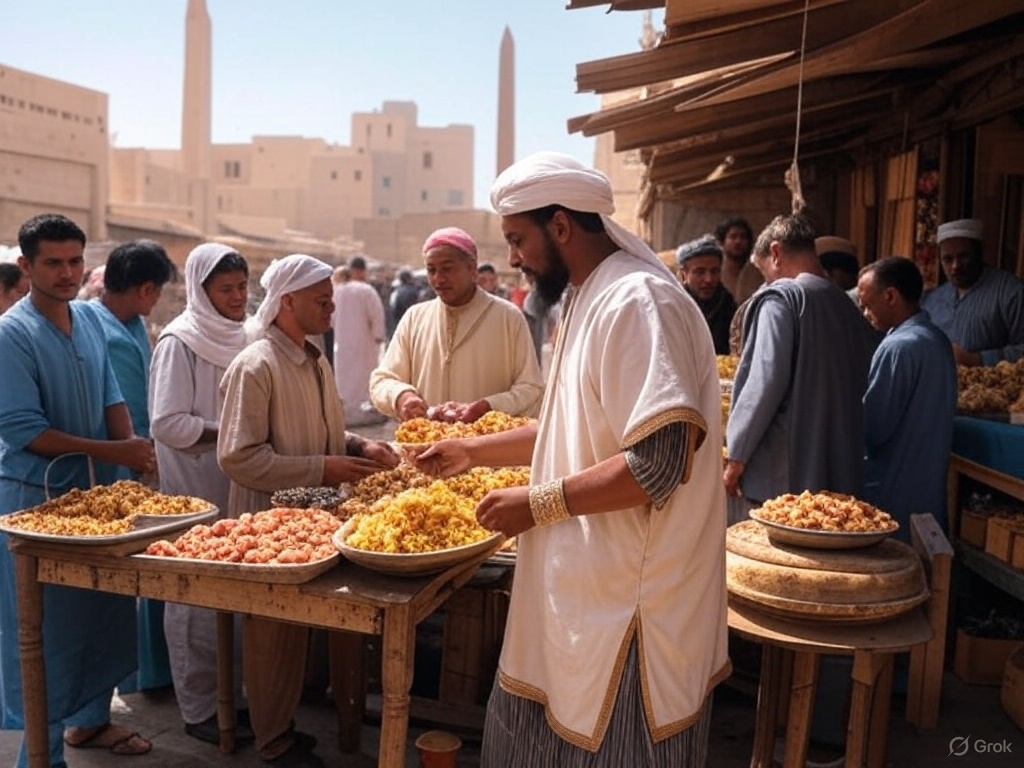
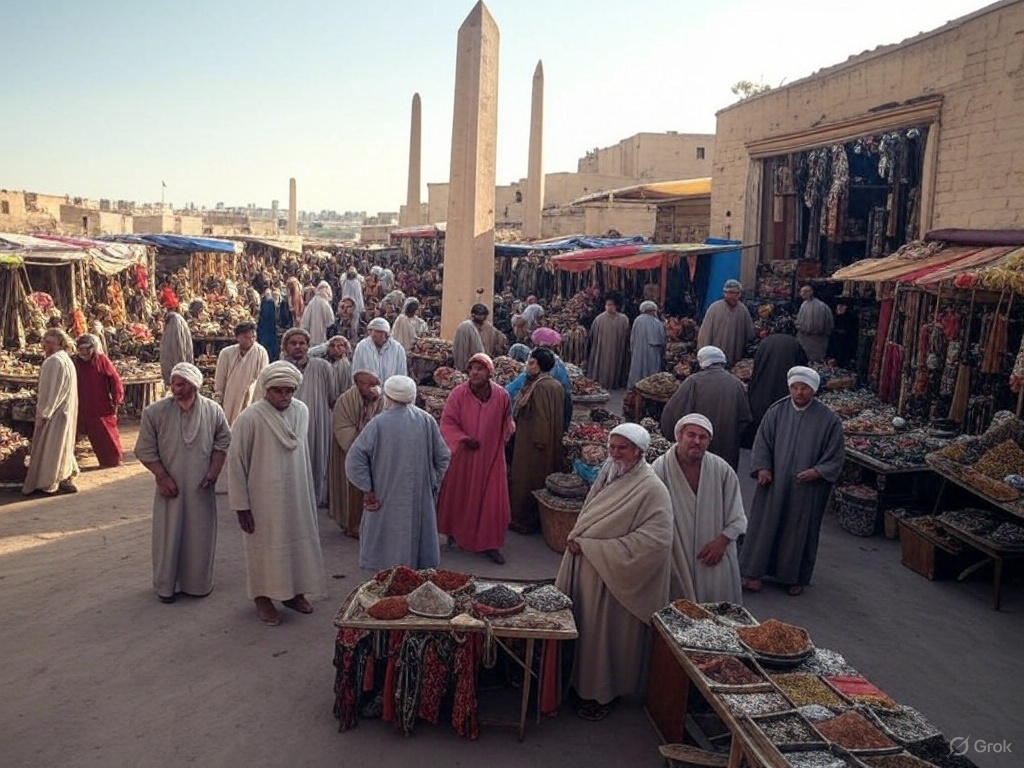
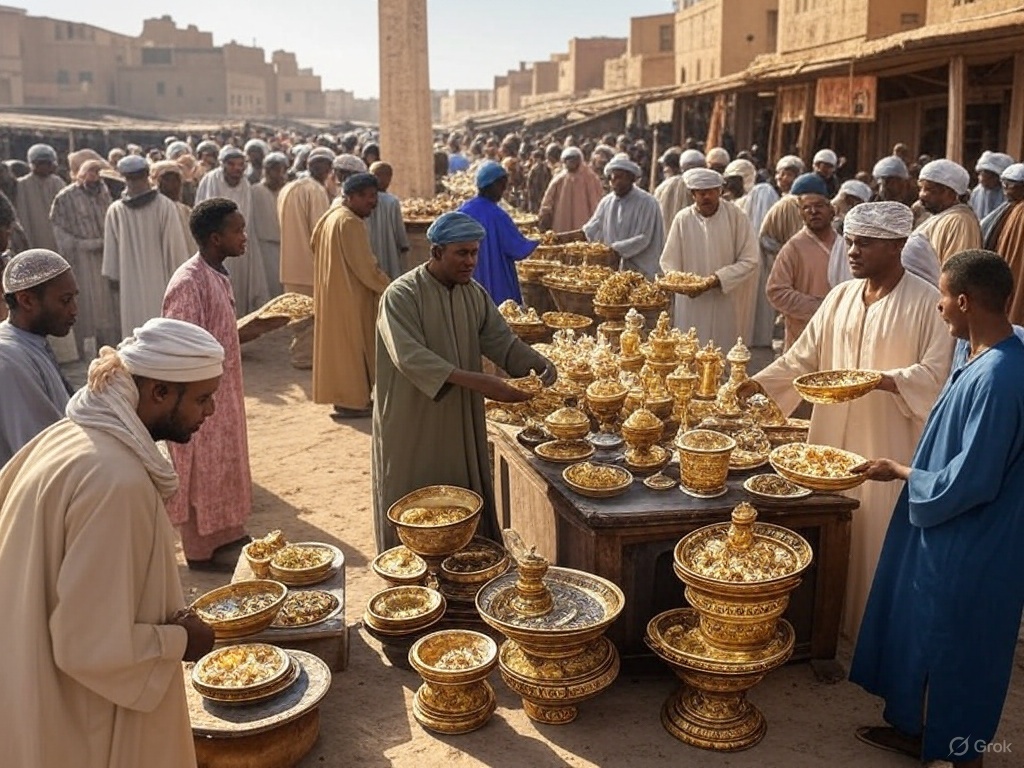
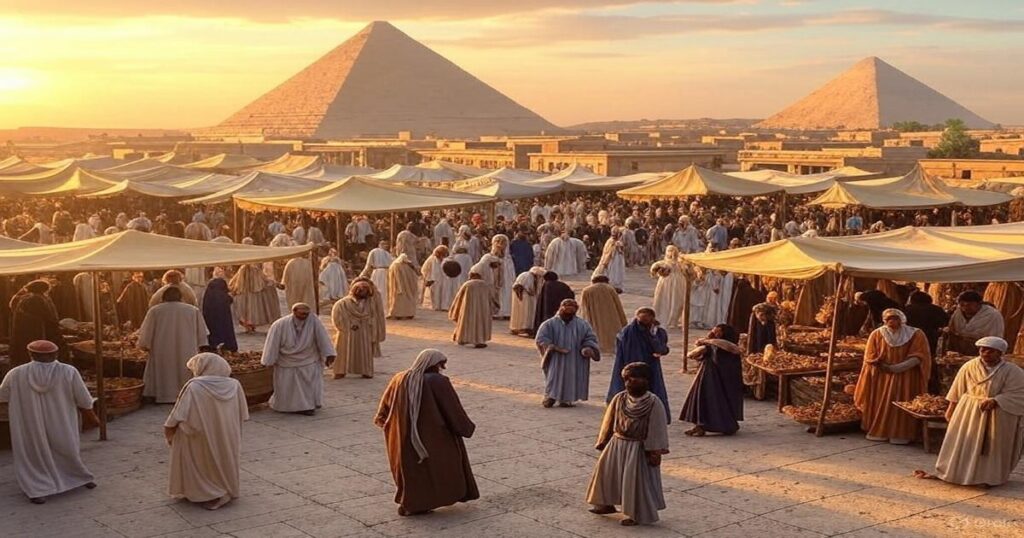
Meroë was a marvel. Surrounded by fertile plains and rich iron deposits, it became a hub of industry and trade. The Kushites, now masters of iron smelting, crafted tools and weapons that rivalled those of their foes. Their markets buzzed with goods from Central Africa, Arabia, and India—ostrich feathers, leopard skins, and gold that glittered like the desert sun. Meroë’s skyline was studded with pyramids, smaller but more numerous than Egypt’s, their sharp angles piercing the heavens. Over 200 pyramids still stand in Sudan’s deserts, a testament to Kush’s devotion to its kings and queens.

Yes, queens! The Kandakes, or queen mothers, were among Kush’s most captivating figures. These women were not mere consorts but warriors and rulers in their own right. Amanirenas, ruling around 40–10 BCE, is a legend. When the Romans, fresh from annexing Egypt, encroached on Kush, she led a daring resistance. With one eye lost to battle, she struck at Roman garrisons, even hauling off a bronze statue of Augustus as a trophy. Her treaty with Rome secured Kush’s borders, proving her as a diplomat as fierce as she was on the battlefield. The Kandakes, with their intricate jewellery and commanding presence, embodied Kush’s indomitable spirit.

Meroë was also a cradle of culture. The Kushites developed their script, the Meroitic alphabet, a flowing cursive that remains only partially deciphered, guarding its secrets like a coy lover. Their art blended Egyptian motifs with African flair, lions, elephants, and giraffes danced across their pottery and reliefs. Religion flourished, with Amun joined by local deities like Apedemak, the lion-headed war god, whose temples roared with divine ferocity.

The Twilight of Kush: Decline and Legacy

Yet, even the mightiest kingdoms bow to time. By the 3rd century CE, Kush faced mounting pressures. The rise of Aksum, a powerful kingdom in modern-day Ethiopia, disrupted Meroë’s trade routes. Environmental changes, perhaps overgrazing or deforestation, strained the land’s fertility. Internal strife and invasions by nomadic Blemmyes weakened the kingdom’s core. Around 350 CE, Aksum’s king Ezana dealt the final blow, sacking Meroë and ending Kush’s reign. The city’s ruins faded into the sands, its pyramids standing as silent sentinels.

But Kush’s story does not end in defeat. Its legacy ripples through history like the Nile’s eternal flow. The Kushites were not just conquerors or imitators of Egypt; they were innovators who reshaped the Nile Valley’s cultural landscape. Their ironworking techniques spread across Africa, fuelling technological advances. Their pyramids, though less famous than Giza’s, are a UNESCO World Heritage Site, drawing adventurers to Sudan’s deserts. The Kandakes inspire modern feminists and African diaspora movements, their courage a beacon across centuries.

For those new to Africa’s past, Kush is a gateway to a continent too often misunderstood. It challenges the notion that Africa’s history began with European contact or that its civilisations were mere shadows of others. Kush was a star in its own right, burning bright with ambition, faith, and creativity. Its people, who turned deserts into empires, remind us of humanity’s boundless potential.

A Love Letter to Kush

As we stand at the edge of Meroë’s ruins, with the wind whispering through ancient stones, we feel Kush’s heartbeat. This was a kingdom of dreamers and doers, of kings who conquered empires and queens who defied Rome. It was a land where iron was forged, pyramids touched the sky, and the Nile sang of eternity. To know Kush is to love it, to marvel at its triumphs, mourn its fall, and celebrate its enduring spirit.

For the curious, the uninitiated, the seekers of wonder: let Kush be your guide. Explore its story in Sudan’s museums, where artefacts gleam with history. Read the Victory Stele’s poetry, where Piye’s voice still rings. And when you hear of Africa, think not only of wildlife or modernity but of Kush, a kingdom that danced with gods, defied empires, and left a legacy as timeless as the Nile itself.
The Ghanaian Empire: A Journey Through the Land of Gold

Ghana Empire

Welcome, dear reader, to a story of wealth, power, and resilience—a tale of the Ghanaian Empire, one of West Africa’s greatest medieval kingdoms. Known as Wagadou to its people, this empire shone brightly from around the 3rd to the 13th century, earning fame as the “Land of Gold.” Its story is not just about riches but about the ingenuity, strength, and spirit of the Soninke people who built a legacy that echoes today. Let’s embark on this journey together, exploring the crucial moments that made Ghana an empire, from its humble beginnings to its eventual decline. Whether you’re new to history or a seasoned explorer, I’ll guide you gently through this vibrant chapter of the past.

The Seeds of an Empire: Origins of Ghana (c. 3rd Century CE)

Imagine a vast, sun-drenched savannah in West Africa, where the Senegal and Niger rivers carve paths through grasslands. This is where the Ghanaian Empire, or Wagadou, began, in what is now southeastern Mauritania, western Mali, and eastern Senegal. The Soninke people, a Mande-speaking group, were the heart of this land. They were farmers, herders, and skilled ironworkers, living in a region blessed with fertile soil and abundant resources.

The name “Ghana” didn’t refer to the modern country of Ghana but came from the Soninke word for “warrior king.” The empire’s true name, Wagadou, meant “Land of Herds,” reflecting the Soninke’s pastoral roots. According to oral traditions, the empire’s story began with a legendary figure, Dinga Cisse, a warrior who united Soninke clans around the 3rd century CE. While the exact date is uncertain, archaeological evidence suggests complex societies thrived here as early as 1600 BCE, with ironworking and trade laying the groundwork for what would become an empire.

A crucial moment came with the introduction of the camel to the western Sahara around the 3rd century CE. Camels revolutionised trade, allowing goods to cross the harsh desert more efficiently. The Soninke, strategically positioned between the Sahara to the north and gold-rich forests to the south, seized this opportunity. They began trading gold, ivory, and salt with North African merchants, setting the stage for Ghana’s rise. This early mastery of trade was the first spark that would ignite the empire’s greatness.

The Rise of a Trading Power (c. 6th–8th Century)

By the 6th century, Ghana was no longer just a collection of villages—it was becoming a centralised state. The Soninke united under strong leaders, forming a kingdom that controlled key trade routes. This was a pivotal moment: the shift from local chiefdoms to a structured monarchy. The king, or “Ghana,” held both political and spiritual power, seen as a divine ruler who ensured prosperity.

The empire’s wealth grew from its control of the trans-Saharan trade. Gold, mined in southern forests by independent kingdoms, flowed through Ghana’s markets. The kings cleverly monopolised gold nuggets, leaving gold dust for traders, which ensured their wealth while keeping trade vibrant. Salt, vital for preserving food, came from the Sahara, and Ghana’s position made it the perfect middleman. Ivory, kola nuts, and even enslaved people were also traded, linking West Africa to North Africa, the Middle East, and Europe.

Another key moment was the establishment of Koumbi Saleh as the capital, likely by the 8th century. This bustling city, located about 200 miles north of modern Bamako, Mali, was a marvel. It had two towns: one for Muslim traders with mosques and scholars, and another for the king and his court. Al-Bakri, an 11th-century Arab geographer, described Koumbi Saleh as a thriving hub with wells, irrigated fields, and a population possibly exceeding 20,000. The city’s dual structure welcomed diverse cultures, fostering trade and ideas. This cosmopolitan spirit was a cornerstone of Ghana’s power.

The Golden Age: Prosperity and Power (8th–11th Century)

The 8th to 11th centuries were Ghana’s golden age, a time when the empire shone brightest. This period was marked by economic prosperity, military strength, and political sophistication, cementing Ghana’s status as a true empire. Let’s explore the crucial moments that defined this era.

Control of Trans-Saharan Trade

The trans-Saharan trade was the lifeblood of Ghana’s wealth. Caravans of camels, carrying gold and salt across the Sahara, made the empire a vital link between sub-Saharan Africa and the Mediterranean world. The kings imposed taxes on every load passing through their territory, filling royal coffers. They also controlled key markets like Awdaghust, a northern trade hub, ensuring their dominance.

A significant moment came in the 8th century when Arab geographers, like Ibrahim al-Fazari, began calling Ghana the “Land of Gold.” This reputation spread, drawing more traders and boosting the empire’s influence. The kings’ monopoly on gold nuggets ensured they amassed immense wealth, with legends claiming their dogs wore golden collars and their horses slept on plush carpets. While these tales may be exaggerated, they reflect Ghana’s extraordinary prosperity.

Sophisticated Governance

Ghana’s political system was another key to its success. The king ruled as an absolute monarch, supported by a council of advisors, including military leaders and religious figures. Provinces were governed by local rulers who paid tribute to the king, blending centralised control with local autonomy. This system allowed Ghana to manage a vast territory, from the Sahara’s edge to the forests of the south.

The empire’s administration was remarkably advanced. Officials collected taxes, enforced laws, and maintained order. The king’s court was a centre of justice, where disputes were settled, and loyalty was rewarded. This governance structure, described by Al-Bakri, showed Ghana’s ability to unite diverse peoples under one rule, a hallmark of a great empire.

Military Might

A powerful military was essential for protecting trade routes and expanding territory. Al-Bakri claimed the king could field an army of 200,000, including elite cavalry armed with iron weapons. While this number may be inflated, it highlights Ghana’s military strength. The cavalry, with swift horses, allowed rapid responses to threats and conquests of neighbouring states.

A crucial moment was Ghana’s annexation of smaller polities, creating a confederated empire. Tributary states paid taxes and provided soldiers, strengthening Ghana’s reach. The military also defended against nomadic raiders, like the Sanhaja Berbers, ensuring trade routes remained open. This combination of economic control, governance, and military power made Ghana a dominant force in West Africa.

Cultural and Religious Harmony

Ghana’s rulers followed traditional Soninke beliefs, centred on ancestor worship and spiritual rituals. However, the empire welcomed Muslim traders from North Africa, who brought Islam and new ideas. By the 8th century, Islam began influencing the elite, though the kings never fully converted. Koumbi Saleh’s Muslim town, with its mosques and scholars, coexisted peacefully with the royal town, creating a cultural melting pot.

This religious tolerance was a defining moment. It fostered trade with Muslim North Africa and attracted scholars who spread knowledge. The empire’s ability to balance traditional beliefs with Islamic influences strengthened its diplomatic ties and enriched its culture, making it a beacon of learning and commerce.

Challenges on the Horizon (Late 11th Century)

Even at its peak, Ghana faced challenges that foreshadowed its decline. The late 11th century brought external pressures and internal strains, testing the empire’s resilience. Let’s look at the pivotal moments that marked the beginning of Ghana’s struggles.

The Almoravid Invasion (1076 CE)

In 1076, the Almoravids, a Muslim Berber confederation from North Africa, launched a holy war against Ghana. Led by Abu Bakr, they sought to spread Islam and control trade routes. They captured Awdaghust in 1054 and sacked Koumbi Saleh in 1076, disrupting the empire’s heart. This invasion was a turning point, weakening Ghana’s grip on trade and shaking its prestige.

The Almoravids’ rule over Ghana was brief, but their impact was lasting. Their flocks overgrazed farmlands, contributing to desertification, and their interference disrupted trade networks. The invasion exposed Ghana’s vulnerability to external forces, planting seeds of decline.

Environmental and Economic Shifts

The environment also played a role. The Sahel region, where Ghana thrived, was prone to droughts. By the late 11th century, reduced rainfall strained agriculture, which supported the empire’s population. Overgrazing by nomadic herders, including the Almoravids, worsened land degradation, making it harder to sustain Koumbi Saleh’s large population.

At the same time, new trade routes began bypassing Ghana. The rise of eastern routes, controlled by emerging powers like the Sosso, diverted commerce away from Koumbi Saleh. These economic shifts eroded Ghana’s wealth, challenging its dominance.

The Decline of Ghana (12th–13th Century)

The 12th century saw Ghana’s gradual decline, as internal divisions and external pressures took their toll. The empire, once a towering giant, began to crumble. Here are the crucial moments that marked its fall.

Internal Conflicts and Rebellions

The Almoravid invasion weakened Ghana’s unity, encouraging subject peoples to rebel. The Susu, a group under Ghana’s rule, broke free in the late 12th century, seizing Koumbi Saleh in 1203 under their leader Sumanguru. This rebellion was a devastating blow, as the capital was the empire’s political and economic heart.

Internal rivalries among the Soninke elite also fractured the empire. Power struggles over succession and resources weakened centralised control, making it harder to govern distant provinces. Without unity, Ghana struggled to respond to external threats.

The Rise of the Sosso and Mali

Sumanguru’s Sosso Kingdom briefly dominated the region, moulding Ghana’s provinces into a short-lived empire. His harsh rule, however, sparked resentment. In 1240, Sundiata Keita, a Mande leader, defeated Sumanguru at the Battle of Kirina, founding the Mali Empire. Sundiata incorporated what remained of Ghana into his new empire, ending its independence.

This moment was the final curtain for Ghana. The Mali Empire, building on Ghana’s trade networks and administrative traditions, became West Africa’s new powerhouse. Ghana’s legacy lived on, but its days as an empire were over.

The Legacy of the Ghanaian Empire

Though the Ghanaian Empire fell, its impact endures. It laid the foundation for West Africa’s great empires, like Mali and Songhai, which inherited its trade routes and governance systems. The empire’s role in spreading Islam and fostering cultural exchange shaped the region’s identity.

Ghana’s story also inspired modern Africa. When the Gold Coast gained independence in 1957, it took the name Ghana, honouring the ancient empire’s legacy of strength and unity. Today, the empire’s history reminds us of Africa’s rich past, challenging stereotypes and celebrating its contributions to global civilisation.

Crucial Moments That Made Ghana an Empire

Let’s reflect on the key moments that transformed Ghana into an empire:

Camel-Driven Trade (3rd Century CE): The introduction of camels revolutionised trans-Saharan trade, positioning the Soninke as key intermediaries in the gold and salt trade.

Centralised Monarchy (6th Century): The unification of Soninke clans under a strong king created a structured state, laying the empire’s foundation.

Koumbi Saleh as Capital (8th Century): The establishment of a cosmopolitan capital fostered trade, culture, and governance, making Ghana a regional hub.

Trans-Saharan Trade Dominance (8th–11th Century): Control of the gold and salt trade brought immense wealth, earning Ghana fame as the “Land of Gold.”

Sophisticated Governance and Military (8th–11th Century): A centralised administration and powerful army enabled Ghana to govern a vast territory and protect its interests.

Cultural Harmony (8th–11th Century): Balancing traditional beliefs with Islamic influences strengthened trade ties and enriched Ghana’s culture.

Almoravid Invasion (1076 CE): The sacking of Koumbi Saleh marked the beginning of decline, exposing Ghana’s vulnerabilities.

Susu Rebellion and Sosso Rise (1203): The loss of Koumbi Saleh to the Susu weakened Ghana, paving the way for its fall.

Incorporation into Mali (1240): Sundiata’s victory ended Ghana’s independence, but its legacy shaped the Mali Empire.

A Warm Farewell to Ghana’s Story

As we close this journey, I hope you’ve felt the pulse of the Ghanaian Empire, its triumphs, struggles, and enduring spirit. From a cluster of Soninke villages to a dazzling empire, Ghana’s story is one of human ingenuity and resilience. Its kings, traders, and warriors built a world where gold flowed, cultures mingled, and power thrived. Even in its fall, Ghana left a legacy that inspires pride and wonder.

Thank you for walking this path with me. If you’re curious to learn more about West Africa’s empires or want to share your thoughts, I’m here to listen. Let’s keep celebrating the stories that make this continent so beautifully connected.

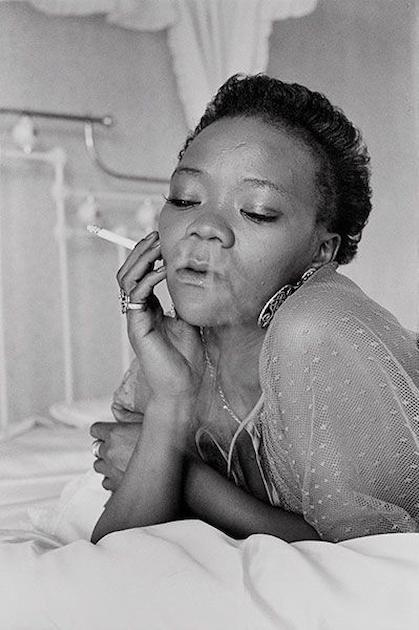
Brenda Fassie: Queen of African Pop

“Life is too short to waste on negativity; surround yourself with positive energy.”

Imagine a voice so powerful it could pierce through the chaos of a township street, a melody so infectious it could bring a wedding to its feet, and a spirit so bold it challenged an oppressive regime. This was Brenda Fassie, South Africa’s “Queen of African Pop,” a singer, songwriter, dancer, and activist whose music became the heartbeat of a nation during its darkest and most hopeful times.

Known affectionately as “MaBrrr” to her fans, Fassie was a whirlwind of talent and controversy, a woman whose life was as vibrant and turbulent as the songs she sang. For those unfamiliar with African music, Brenda Fassie’s story offers a vivid entry point into the soul of South African pop, a genre shaped by struggle, resilience, and celebration.

Early Life: A Star Born in Langa

Brenda Nokuzola Fassie was born on November 3, 1964, in Langa, a township near Cape Town, South Africa. The youngest of nine children, she grew up in a working-class family steeped in music. Her mother, Sarah, was an amateur pianist, and her father, a singer, filled their home with harmony until his death when Brenda was just two years old.

Named after American country singer Brenda Lee, young Brenda seemed destined for the stage. By age four, she was already performing, forming a vocal group called the Tiny Tots and singing for tourists who paid to hear her precocious voice. Her mother’s piano accompanied her, and the township’s dusty streets became her first stage.

Langa, like many black townships under apartheid, was a place of hardship and vibrancy. Apartheid, South Africa’s system of racial segregation, confined black families to overcrowded, under-resourced areas, yet these communities pulsed with culture.

Music was everywhere, church choirs, street performers, and radio hits blending African rhythms with Western pop. Brenda absorbed it all, her voice maturing far beyond her years. By her teens, she was a local celebrity, her performances drawing crowds who marvelled at her raw talent.

Brenda Fassie

The Big Break: From Langa to Soweto

In 1981, at just 16, Brenda’s life changed forever. Renowned music producer Hendrick “Koloi” Lebona heard of her talent and visited her family’s home in Langa. “There was something special about her voice,” he later recalled. “I knew it was the voice of the future.”

Brenda, with her characteristic boldness, asked, “So when are we going to Joburg?” Lebona agreed to take her to Soweto, Johannesburg’s sprawling black township, to pursue her dreams, promising she could finish her education while living with his family.

Soweto was the epicentre of South Africa’s urban black culture, a place where music and politics collided. The 1976 Soweto Uprising, where students protested against apartheid education policies, had left a deep mark, and the township was alive with resistance.

Brenda arrived in this charged atmosphere, joining the vocal trio Joy before becoming the lead singer of Brenda and the Big Dudes, a township pop group.

In 1983, they released “Weekend Special,” a disco-flavoured track about a woman refusing to be a part-time lover. The song was an instant hit, selling over 200,000 copies and becoming the fastest-selling record in South Africa at the time. Its catchy beat and relatable lyrics resonated not just locally but internationally, leading to tours in the United States, Europe, Australia, and Brazil.

“Weekend Special” was a product of “bubblegum” pop, a genre that defined South African music in the 1980s. Bubblegum blended African rhythms, jazz, and disco with slick production, creating upbeat, danceable tracks that masked deeper social commentary.

For black South Africans, music was a form of escape and resistance, a way to assert joy and identity under apartheid’s oppression. Brenda’s voice bold, emotive, and unmistakably African, made her the genre’s brightest star.

Rise to Stardom: The Queen of African Pop

By the late 1980s, Brenda was a household name, her fame cemented by a string of hits and her electrifying stage presence. She left the Big Dudes to pursue a solo career, partnering with producer Sello “Chicco” Twala to create the 1989 album Too Late for Mama. The album, which went platinum, included “Black President,” a tribute to the imprisoned Nelson Mandela.

Banned by the apartheid government, the song became an anthem of hope, envisioning a future where Mandela would lead a free South Africa.

Brenda’s willingness to sing in Zulu, Xhosa, and Sotho, rather than English, was a powerful statement of African pride, resonating with township audiences who saw her as their voice. Brenda’s music was deeply rooted in the township experience. Songs like “Too Late for Mama” told stories of everyday struggles—poverty, love, and loss—while tracks like “Vulindlela” (1997) celebrated life’s joys, becoming a staple at weddings and parties across Africa. Her ability to blend kwaito (a post-apartheid genre mixing house, hip-hop, and African rhythms) with bubblegum pop kept her relevant as musical tastes evolved.

Her 1998 album Memeza was South Africa’s best-selling release that year, with “Vulindlela” earning Song of the Year at the South African Music Awards (SAMAs).

The album’s success, selling over 50,000 copies on its first day, showcased her enduring appeal. Brenda’s performances were legendary. She danced with abandon, her outfits, metallic bras, spandex, and knee-length boots, pushing boundaries in a conservative society.

At the 2001 KORA All Africa Music Awards, she captivated audiences by handing Nelson Mandela a banana mid-performance, a playful act that underscored her fearless charisma.

Time Magazine dubbed her the “Madonna of the Townships” in 2001, a nod to her provocative style and cultural impact. But unlike Madonna, Brenda’s music was inseparable from South Africa’s political struggle, giving voice to the disenfranchised and inspiring a generation.

Personal Struggles: The Cost of Fame

Brenda’s life offstage was as dramatic as her performances. Fame brought wealth, but also chaos. She spent lavishly on cars, houses, and parties, often giving away her earnings to friends and fans, sometimes leaving herself broke.

Her personal life was a tabloid fixture: a brief marriage to Nhlanhla Mbambo (1989–1991) ended in divorce, and her relationship with her son, Bongani, born in 1985 to Big Dudes musician Dumisani Ngubeni, was strained by her hectic lifestyle. Bongani later followed in her footsteps, performing “I’m So Sorry” on the Tsotsi soundtrack and pursuing a hip-hop career.

Brenda’s struggles with addiction cast a long shadow. By the early 1990s, cocaine had taken hold, derailing her career. She checked in and out of rehab, her erratic behaviour fuelling media scrutiny.

In 1995, she was found in a hotel with the body of her lover, Poppie Sihlahla, who had died of an overdose, a tragedy that pushed Brenda into rehab again. Her openness about her bisexuality, she later had a long-term relationship with Gloria Chaka, shocked conservatives but inspired others, paving the way for black South African celebrities to come out.

Despite these challenges, Brenda’s resilience shone through. Her 1996 comeback album Now Is the Time, featuring duets with Congolese legend Papa Wemba, marked a triumphant return. Albums like Nomakanjani (1999) and Amadlozi (2000) went multi-platinum, proving her ability to reinvent herself. She toured Africa and America, her music uniting diverse audiences. Yet addiction remained a constant battle, and her health began to falter.

The Final Chapter: A Tragic End

On April 26, 2004, Brenda collapsed at her home in Buccleuch, Gauteng. Initially reported as an asthma attack, a post-mortem revealed she had overdosed on cocaine, slipping into a coma that caused brain damage from lack of oxygen.

Hospitalised in Sunninghill, she was visited by Nelson Mandela, Winnie Mandela, and Thabo Mbeki, a testament to her cultural significance. Her condition dominated headlines, but on May 9, 2004, at age 39, Brenda passed away after her life support was turned off. Her family, including Bongani and Gloria Chaka, was by her side.

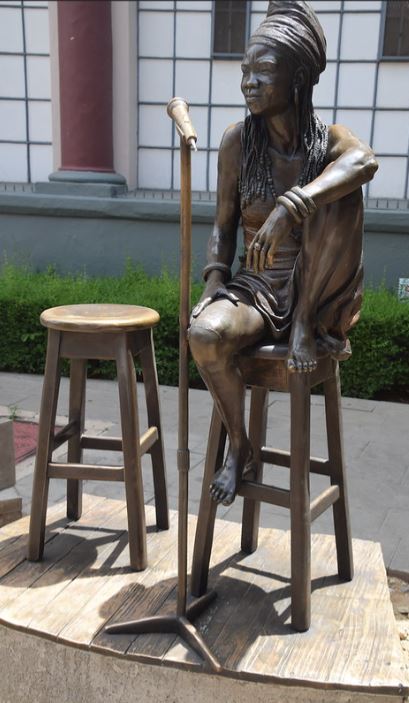
The nation mourned. Tributes poured in, and a life-size bronze sculpture of Brenda was unveiled in Johannesburg in 2006, capturing her mid-performance. Her death was a stark reminder of the toll fame and addiction could take, but it did not diminish her legacy.

Legacy: The Spirit of MaBrrr

Brenda Fassie’s music was more than entertainment; it was a lifeline for black South Africans during apartheid and a celebration of their resilience in its aftermath.

Her discography, over 22 albums, 19 singles, and 17 compilations, spans bubblegum pop, kwaito, and Afropop, reflecting the evolution of South African music. Hits like “Weekend Special,” “Vulindlela,” and “Black President” remain cultural touchstones, played at parties, protests, and memorials.

Her influence endures in artists like Zahara and Busiswa, who draw on her fearless energy, and in global stars like Burna Boy, whose Afrobeats echo her blend of local and universal sounds.

Brenda’s activism, her outspokenness against apartheid, her township visits, and her unapologetic identity. made her a symbol of freedom. She showed young black South Africans, especially women, that they could be bold, flawed, and extraordinary.

For those new to African music, Brenda Fassie’s story is a gateway to understanding its power. It’s music born of struggle, infused with joy, and carried by voices that refuse to be silenced. Brenda was South Africa’s first black pop star, a “shocker” who lived fiercely and loved deeply. Her voice still echoes, inviting you to dance, to feel and to fight for what matters.

Bronze sculpture of Brenda (MaBrrr)

A Moment with MaBrrr

In Newtown’s bustling heart, outside the Bassline club, Brenda Fassie sits in bronze, forever frozen in song. Unveiled on March 9, 2006, as part of the Sunday Times Heritage Project, Angus Taylor’s life-size sculpture captures the “Queen of African Pop” on a barstool, microphone poised, her spirit electric. An empty stool beside her invites you to sit, to “chill” with MaBrrr. Here, amid Johannesburg’s pulse, her legacy sings, bold, unapologetic, eternal. A rebel, a diva, a voice for the ages, Brenda’s bronze gaze sparks joy, urging all to live fiercely and love freely.

The Kingdom of Aksum: Africa’s Ancient Powerhouse of Trade and Prosperity

The Kingdom of Aksum

Picture a bustling port on the Red Sea, where ships laden with gold, ivory, and frankincense sail to distant empires, while caravans wind through fertile highlands carrying grains and exotic goods.

This is the Kingdom of Aksum, an ancient African civilisation that thrived from the 1st to 7th centuries CE in what is now northern Ethiopia and Eritrea. I’m proud to share the story of Aksum, a beacon of our continent’s ingenuity, resilience, and global influence.

For those new to African history, you will learn about Aksum’s geographic and economic power, painting a vivid picture of its vibrant markets, lush fields, and bustling trade routes. We’ll celebrate Africa’s cultural richness while acknowledging the challenges faced.

Aksum’s Geographic Advantage: A Crossroads of Continents

Imagine standing in the highlands of northern Ethiopia, where rolling green hills meet the azure waters of the Red Sea. This was Aksum’s heartland, centred around its capital, Aksum, a city of stone palaces and towering obelisks.

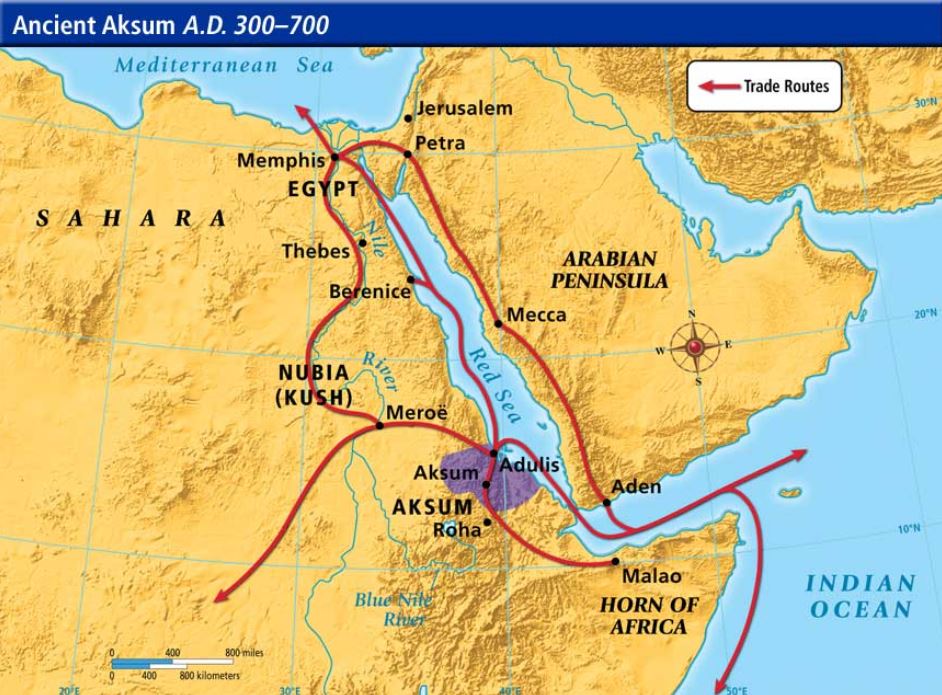
Its location was a geographic masterpiece, nestled in fertile plateaus yet close to the port of Adulis, a gateway to the world. The Red Sea connected Aksum to Arabia, Egypt, and the Mediterranean, while overland routes stretched to Sudan and beyond.

At its peak, Aksum’s territory spanned modern-day Eritrea, northern Ethiopia, western Yemen, southern Saudi Arabia, and parts of Sudan, making it a transcontinental power.

This strategic position made Aksum a crossroads of ancient trade. The Red Sea was a bustling highway for ships, especially after the 1st century CE, when sailors mastered monsoon winds to sail directly from Egypt to India.

Adulis, just 150 miles from Aksum, became a vibrant hub where African, Arabian, and Indian merchants mingled. Caravans from the interior brought goods to the port, while ships carried Aksum’s treasures to Rome, Persia, and China.

The highlands provided fertile soil and a temperate climate, unlike the arid deserts nearby, supporting a thriving agricultural base that fuelled this trade empire.

Aksum’s geography wasn’t just about location, it was a shield and a sword. The highlands offered natural defences against invaders, while control of coastal routes allowed Aksum to dominate maritime trade.

By outmanoeuvring rivals like the Kushite kingdom of Meroë, Aksum redirected trade from the Nile to the Red Sea, cementing its economic supremacy. This geographic edge, paired with visionary leadership, made Aksum one of the ancient world’s four great powers, as noted by the 3rd-century prophet Mani alongside Rome, Persia, and China.

Africa’s Ancient Powerhouse

Agricultural Foundations: The Breadbasket of Aksum

At the heart of Aksum’s wealth was its land, a patchwork of fertile fields that sustained its people and trade. The highlands, blessed with rich volcanic soil and reliable rainfall, produced bountiful harvests of wheat, barley, and teff, a tiny grain that remains Ethiopia’s staple today.

Farmers grew finger millet, sorghum, lentils, chickpeas, and oil crops like linseed and Guizotia abyssinica, ensuring food security and surplus for trade. Livestock, cattle, sheep, goats, grazed the hills, providing meat, milk, and leather, while oxen powered ploughs.

Aksumite farmers were innovators. They built terraces to prevent soil erosion, dug irrigation channels, and constructed dams to capture rainwater, turning rugged slopes into productive farmland.

These techniques, honed over centuries, allowed multiple harvests annually, supporting a growing population and urban centres like Aksum and Adulis. The surplus grains and livestock were traded locally and exported through Adulis, fetching luxury goods like silk and spices from India and Rome.

This agricultural prowess was more than economic, it was cultural pride. Markets buzzed with farmers bartering teff for salt, or herders trading cattle for imported wine. Festivals celebrated harvests, with communities dancing to drumbeats under acacia trees. Yet, Aksum’s prosperity rested on the labor of its people, many toiling under a feudal system where elites controlled land. This inequality, a shadow of Africa’s past, reminds us that even great kingdoms faced internal struggles.

Trade and Prosperity

Economic Power: The Trade Empire of Adulis

Aksum’s economy was a marvel, driven by its control of global trade routes. Adulis was the engine, a cosmopolitan port where merchants haggled in Greek, Arabic, and Ge’ez, Aksum’s language.

Ships docked with Indian spices, Chinese silk, and Roman glassware, while Aksum exported Africa’s treasures: ivory from elephants, gold from Nubian mines, frankincense and myrrh from aromatic trees, and emeralds prized by Roman elites. Exotic animals, elephants, rhinos, even leopards, were shipped for Rome’s arenas, and tortoise shells became luxury inlays.

The kingdom’s trade networks were vast, stretching from Spain to China. Aksumite merchants sailed to Sri Lanka, bartered in Yemen, and supplied Rome’s insatiable demand for incense used in temples. In return, Aksum imported iron for tools, wine for elites, and textiles for fashion. This exchange wasn’t just economic, it was cultural, bringing Buddhist art, Christian ideas, and Persian styles to Aksum’s courts, enriching its cosmopolitan identity.

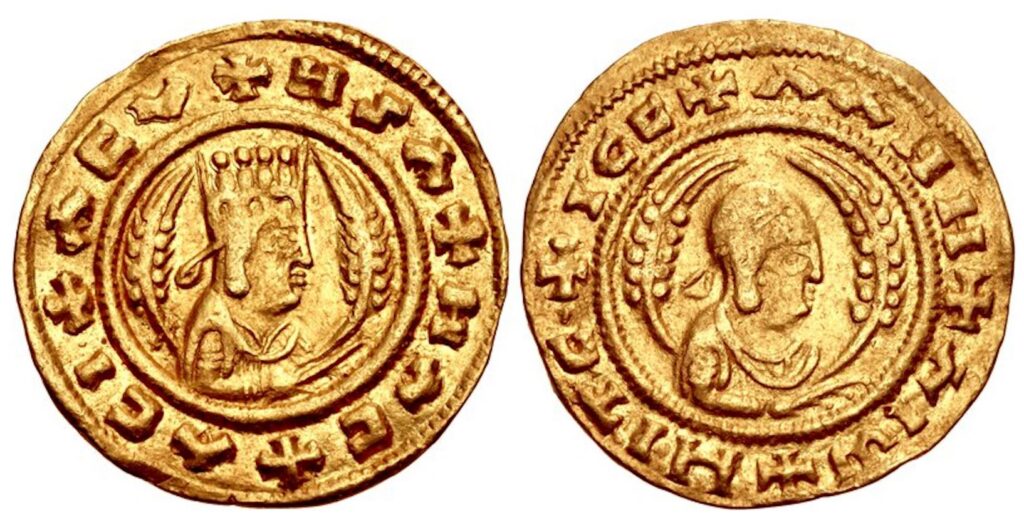
king-endubis-coins

Aksum’s economic sophistication shone in its currency. Around the 3rd century CE, King Endubis introduced gold, silver, and bronze coins, inscribed in Ge’ez and Greek, a rarity in ancient Africa.

These coins, stamped with crosses after Aksum adopted Christianity in the 4th century, facilitated trade and projected power. A gold coin in a Roman market was a symbol of Aksum’s wealth, rivaling imperial mints. This market economy, blending barter and coinage, supported bustling bazaars where traders swapped stories as often as goods.

 Ancient Aksum trading map

Strategies for Trade Dominance

Aksum’s rulers were master strategists, ensuring their trade routes thrived. A strong navy patrolled the Red Sea, fending off pirates and rival powers like Himyar in Yemen.

This naval might protected merchants sailing to India or Egypt, ensuring goods flowed safely. Aksum expanded into Kush’s former territories, securing overland routes to gold and ivory sources in Sudan. Inland, kings invested in roads and caravansaries, easing the flow of goods from remote villages to Adulis.

Economic policies were shrewd. Aksum levied tariffs on goods passing through Adulis, filling royal coffers. Trade agreements with Rome and Persia fostered mutual prosperity, while diplomatic missions, like King Kaleb’s campaigns in Yemen, secured strategic ports.

The kingdom’s adoption of Christianity under King Ezana (circa 330 CE) strengthened ties with the Byzantine Empire, opening new markets. These strategies made Aksum a linchpin in global commerce, its ports and markets alive with the chatter of a dozen languages.

Yet, maintaining this empire wasn’t easy. Aksum faced invasions from Beja nomads in Sudan, disrupting overland routes. The rise of Persian and later Islamic powers in the 7th century shifted trade routes, bypassing Aksum’s ports.

Environmental challenges, soil erosion and climate shifts, strained agriculture, and reducing surpluses. These struggles, common across Africa’s history, highlight the resilience of Aksum’s people, who adapted until the kingdom’s gradual decline by the 8th century.

Cultural and Social Impact of Wealth

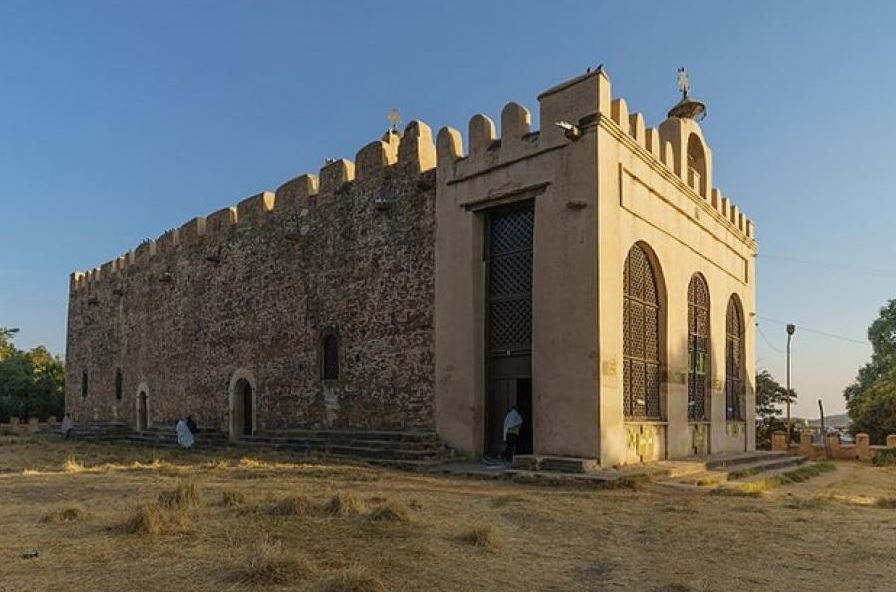
Aksum’s economic power shaped its culture, reflecting Africa’s spirit of community and creativity. Wealth funded grand architecture, stone palaces, churches like Debre Damo, and stelae (obelisks) reaching 100 feet, symbols of royal might.

Artisans crafted gold jewellery, pottery, and crosses, blending African, Christian, and Hellenistic styles. Markets were social hubs, where farmers, traders, and priests shared stories over injera and honey wine, strengthening communal bonds.

This prosperity fostered education and religion. Aksum’s script, Ge’ez, preserved trade records and biblical texts, making it one of Africa’s earliest written languages.

Christianity, adopted in the 4th century, unified the kingdom, with monasteries training scholars who corresponded with Jerusalem. Yet, Aksum’s inclusivity shone, Jewish and pagan communities thrived alongside Christians, reflecting Africa’s tradition of coexistence.

However, wealth is concentrated among elites, leaving farmers and labourers with less. This inequality, a challenge across ancient empires, sparked tensions, yet Aksum’s festivals and shared faith mitigated divides. The kingdom’s legacy of unity and innovation inspires Africans today, reminding us of our ancestors’ ability to build greatness amid hardship.

Aksum in 2025: A Legacy of Pride

The ruins of Aksum

Geʽez: እግዚአብሔር አምላኬ በእርሱ አሸንፌ ነኝ
Transliteration: ʾEgziʾabhēr ʾamlākē bāʾrsu ʾashenfē nāñ
Translation: “By the Lord my God, I have triumphed.”

In 2025, Aksum’s legacy endures, a testament to Africa’s global influence. The ruins of Aksum, a UNESCO World Heritage Site, draw tourists to Ethiopia, where stelae and churches tell stories of ancient glory.

Ge’ez remains the liturgical language of the Ethiopian Orthodox Church, linking modern Africans to their past. Ethiopia’s coffee trade, rooted in Aksum’s agricultural prowess, fuels global markets, while cultural festivals like Timkat echo ancient celebrations.

Aksum’s story counters outdated narratives of Africa as “backwards.” It was a peer of Rome, trading gold for silk, minting coins, and shaping world religions.

Yet, its decline, due to environmental stress and geopolitical shifts, mirrors Africa’s colonial and post-colonial struggles. Today, as Africa rises through tech, art, and music, Aksum reminds us of our resilience, from ancient traders to modern entrepreneurs.

Africa’s Global Gift

For those new to African history, Aksum is an inviting entry point. Its bustling ports and fertile fields feel like a marketplace today, alive with diversity and ambition.

The rhythm of its trade, ivory for spices, faith for ideas, echoes Africa’s role in global exchange, from ancient times to now. Aksum’s story, like a griot’s tale, celebrates our prosperity while honouring the labor and struggles of our ancestors.

I see Aksum as our heritage of excellence. Its coins, churches, and trade routes show a continent that led the world, despite challenges. In 2025, as Africa’s youth innovate and our cultures shine, Aksum’s legacy urges us to tell our stories proudly. So, imagine holding an Aksumite coin, its cross gleaming, and feel the pulse of a kingdom that connected Africa to the world, a pulse that beats in us still.

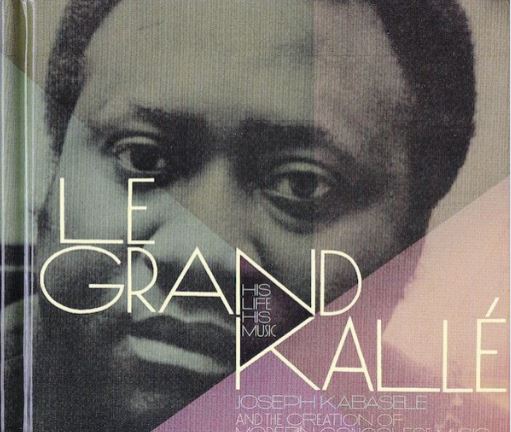
Joseph Kabasele: Le Grand Kallé and the Soulful Anthem of African Independence

Joseph Athanase Tshamala Kabasele, known as Le Grand Kallé, the “father of Congolese music” and a beacon of Africa’s cultural spirit. Born on December 16, 1930, in Matadi, Kabasele’s music, through his band African Jazz and the iconic “Independence Cha Cha”, wove Congo’s dreams, struggles, and triumphs into a sound that resonated across the continent.

Imagine the streets of Léopoldville in 1960, alive with the rhythm of guitars, the pulse of congas, and voices singing in Lingala, celebrating a nation’s rebirth.

For those unfamiliar with African music, we guide you on a journey through Kabasele’s life, immersing you in the vibrant atmosphere of Congolese rumba and showcasing Africa’s resilience, unity, and love for community. While celebrating the continent’s talent and prosperity, we’ll also honour the pain of its colonial past, promoting Africa’s brilliance in 2025 with pride and hope.

Early Life: Matadi’s Melodic Roots (1930–1950)


Joseph Kabasele was born in Matadi, a bustling port city in the Belgian Congo, where the Congo River carried trade and culture. Growing up in a Kongo family, he was steeped in traditional music, marimba, drums, and call-and-response chants that echoed community life. His mother, a choir leader, introduced him to hymns, blending Christian melodies with Congolese rhythms. Matadi’s markets buzzed with maringa, a local dance music, and Cuban records brought by sailors, sparking Kabasele’s love for syncopated grooves.

The Belgian Congo was a land of beauty but also oppression. Colonial rule stripped Africans of rights, forcing labor and cultural suppression. Young Kabasele witnessed this injustice, yet found solace in music.

He sang in church choirs and taught himself guitar, dreaming of a stage where Congo’s voice could shine. By his teens, he moved to Kinshasa (then Léopoldville), a cosmopolitan hub where jazz, Cuban son, and African rhythms mingled. This vibrant city, despite colonial constraints, set the stage for his musical revolution.

The Birth of African Jazz: A New Sound Emerges (1950–1959)

In the early 1950s, Kabasele formed African Jazz, a band that would redefine African music. Kinshasa’s nightlife was electric, with shebeens and dancehalls hosting bands that fused Congolese maringa with Cuban son.

Kabasele, with his soulful voice and sharp songwriting, assembled a supergroup, including guitarist Docteur Nico, vocalist Tabu Ley Rochereau, and saxophonist Manu Dibango. Their sound, Congolese rumba, was a revelation, blending African percussion, Cuban guitar riffs, and jazzy horns into a danceable, emotive groove.

African Jazz’s early gigs at Kinshasa’s bars drew crowds eager to escape colonial hardships. Songs like “Para Fifi” celebrated love and community, their repetitive melodies and sébène (guitar-driven instrumental breaks) keeping dancers moving for hours.

Kabasele’s lyrics, sung in Lingala and French, spoke to everyday life, romance, struggle, and pride, making his music a mirror for Congolese aspirations. His charisma and polished arrangements earned him the nickname “Le Grand Kallé,” the great chief of Congo’s sound.

Kabasele’s vision extended beyond performance. In 1957, he founded Surboum African Jazz, Congo’s first African-owned record label. This bold move challenged colonial dominance over music production, allowing high-quality recordings that rivalled European standards.

By striking deals with Belgian labels, Kabasele ensured his music reached Francophone Africa and Europe, planting seeds for global influence.

Independence and “Independence Cha Cha” (1960)

The year 1960 was a turning point for Congo and Kabasele. As African nations fought for independence, Congo’s leaders negotiated freedom at the Brussels Round Table Conference. Kabasele, invited to perform, seized the moment.

He composed “Independence Cha Cha,” a jubilant anthem celebrating Congo’s liberation from Belgium. Released in June 1960, as Congo gained independence, the song’s lyrics, “Independence, cha-cha, we’ve won it”, listed key figures like Patrice Lumumba and political groups, uniting a diverse nation.

The song’s upbeat rhythm, with twinkling guitars and infectious horns, filled Kinshasa’s streets on June 30, 1960. Crowds danced, sang, and wept, their joy palpable after decades of colonial rule.

“Independence Cha Cha” wasn’t just Congo’s anthem; it became Africa’s, adopted by nations like Ghana and Algeria in their independence celebrations. Its Lingala verses and French phrases spoke to a continent breaking free, fostering pan-African solidarity. For Congolese, it was a call to unity, bridging ethnic and political divides in a fragile new nation.

Kabasele’s role in Brussels wasn’t just musical. Accompanying politicians, he embodied Congo’s cultural pride, showing the world that Africa’s talent rivalled its colonisers’.

African Jazz toured Europe, their polished suits and electrifying performances challenging stereotypes of African “primitiveness.” Kabasele’s music became a symbol of modernity, proving that Congo could lead on global stages.

The Golden Era: African Jazz’s Influence (1960–1970)

The 1960s were African Jazz’s zenith. Kabasele mentored stars like Rochereau and Dibango, launching careers that shaped African music. Songs like “Africa Mokili Mobimba” celebrated pan-African dreams, while romantic ballads like “Merenge Presidente” kept dancefloors packed.

The sébène, with Nico’s virtuosic guitar solos, became a rumba hallmark, inspiring bands across Africa. Kabasele’s arrangements, electric guitars, saxophones, and congas, modernised Congolese music, blending tradition with urban sophistication.

Kinshasa’s nightlife thrived, with African Jazz and rivals like O.K. Jazz defining a golden era. Congolese rumba influenced fashion, tailored suits and vibrant dresses, and dance, with couples swaying to rumba’s groove.

Kabasele’s Surboum label recorded both his band and competitors, fostering a vibrant industry. His music crossed borders, reaching East Africa, West Africa, and the Caribbean, where Cuban artists embraced their African roots.

Yet, Congo’s post-independence struggles, political instability, Lumumba’s assassination in 1961, and ethnic tensions cast shadows. Kabasele’s songs subtly addressed these challenges, advocating unity and resilience.

His praise-song tradition, honouring leaders and events, reinforced social cohesion, a practice later commercialised as “mabanga.” Through music, Kabasele held a fractured nation together, his voice a beacon of hope.

Global Reach and Industry Leadership (1970–1980)

In the 1970s, Kabasele’s influence grew. African Jazz toured Europe and the U.S., their performances at festivals like Paris’s Olympia showcasing Congo’s cultural wealth.

Kabasele collaborated with international labels, recording in Belgium for superior sound quality. His entrepreneurship through Surboum modernised Congo’s music industry, inspiring artists like Franco Luambo to follow suit. By mentoring talents like Rochereau, who formed Afrisa International, Kabasele ensured rumba’s evolution.

His music remained a cultural force. Songs like “Table Ronde” reflected Congo’s political journey, while romantic tracks like “Tika Kondima” captured universal emotions.

Kabasele’s vocal style, soulful, harmonised, and call-and-response, set a standard, dubbed the “African Jazz school.” His lyrics, blending Lingala’s poetry with French elegance, spoke to both rural and urban Congolese, uniting classes and regions.

Congo’s challenges persisted: Mobutu’s dictatorship, economic woes, and social divides, but Kabasele’s music offered solace. Rumba became Congo’s identity, played at weddings, funerals, and protests.

Kabasele’s cosmopolitan sound influenced African genres like Kenya’s benga and Nigeria’s highlife, proving Congo’s cultural leadership despite its pain.

Final Years and Legacy (1980–1983)

By the early 1980s, Kabasele’s health declined, but his passion endured. He performed sparingly, focusing, focusing on studio work and mentoring. On February 11, 1983, Kabasele passed away in Kinshasa at 52, leaving a void in African music.

Tributes poured in, with Kinshasa’s streets filled with mourners singing “Independence Cha Cha.” His funeral was a national event, reflecting his status as a cultural hero.

Kabasele’s legacy is monumental. Congolese rumba, his creation, remains Congo’s heartbeat, influencing soukous, ndombolo, and global genres like salsa.

African Jazz alumni like Rochereau and Dibango carried his torch, spreading rumba worldwide. “Independence Cha Cha” is still sung at Congo’s independence celebrations, a reminder of 1960’s hope amid ongoing challenges like conflict and poverty.

Kabasele in 2025: Africa’s Shining Star

In 2025, Kabasele’s spirit thrives. Kinshasa’s clubs pulse with his songs, and festivals like Fête de la Musique honour him. Documentaries like Rumba Rules (2024) and exhibits at Kinshasa’s National Museum celebrate his life. Artists like Fally Ipupa and Koffi Olomide cite him as inspiration, blending rumba with modern sounds.

Africa shines through Kabasele’s legacy. His music showcases the continent’s talent, resilience, and love for community. Rumba’s danceable joy reflects African prosperity, families gathering, markets bustling, and youth dreaming big.

Yet, his work acknowledges pain, colonial scars, political strife, and economic struggles, reminding us of Africa’s fight for dignity. Kabasele’s pan-African vision unites nations, from Congo to Kenya, Nigeria to South Africa, proving music can heal and inspire.

For those new to African music, Kabasele’s rumba is a gateway. Its swaying rhythms, soulful vocals, and guitar solos feel like a warm embrace, inviting you to dance and dream.

Picture a Kinshasa wedding, where “Independence Cha Cha” sparks laughter and tears, that’s Africa’s spirit. Rumba shares DNA with Afrobeat, makossa, and amapiano, all rooted in community and rhythm. Kabasele’s songs, from love ballads to anthems, speak to universal hopes, making them accessible yet profound.

Kabasele represents Africa’s heart, its talent, unity, and resilience. His music celebrates prosperity while honouring struggle, showing a continent that thrives despite adversity. In 2025, as Africa rises, through tech hubs, fashion, and global artists, Kabasele’s legacy reminds us of its cultural wealth. So, play “Independence Cha Cha,” sway to its cha-cha beat, and join Africa’s dance of pride, pain, and unbreakable spirit.

Le Grand Kallé

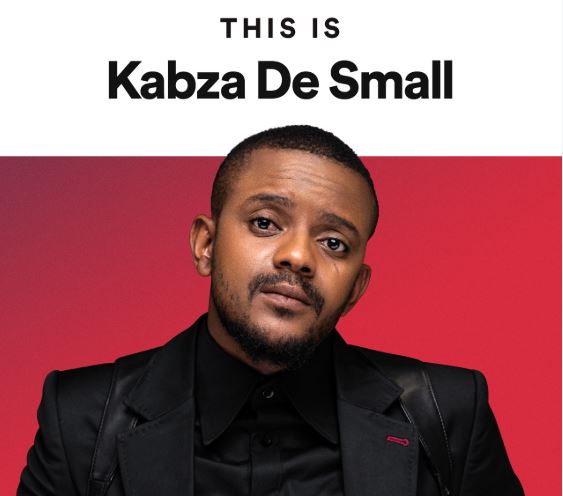
Kabza De Small: The King of Amapiano and the Soul of South Africa’s Townships

Step into the heart of a Pretoria township, where the night hums with the thump of log drums, the shimmer of jazzy piano chords, and the laughter of a crowd swaying under streetlights. This is the world of amapiano, a genre that’s taken South Africa and the globe by storm, and at its helm is Kabza De Small, the “King of Amapiano.”

Born Kabelo Petrus Motha on November 27, 1992, Kabza transformed from a plumber spinning tracks in his spare time to a global music icon, blending African rhythms with electronic beats to create a sound that’s as soulful as it is infectious.

For those new to African music, allow us to guide you through Kabza’s life, immersing you in the vibrant atmosphere of amapiano and its cultural significance in 2025. Get ready to feel the groove and discover why Kabza’s music is a celebration of township life and creative freedom.

Early Life: Pretoria’s Township Pulse (1992–2009)

Kabelo Motha was born in Mpumalanga but moved to Pretoria as a child, a city that would shape his musical destiny. Pretoria’s townships, like Alexandra and Atteridgeville, buzzed with a rich musical culture, jazz records spinning in shebeens, kwaito anthems blaring from taxis, and house music pulsing through house parties.

Kabza’s father, a DJ, introduced him to this world, playing records that mixed soulful melodies with driving beats. Young Kabelo soaked it up, tinkering with a piano and dreaming of creating his own sound.

Growing up in post-apartheid South Africa, Kabza witnessed a nation reborn but still grappling with inequality and township struggles. Music was a refuge and a rebellion, a way to express joy and resilience. By his teens, he was fascinated by electronic dance music (EDM) and Afrobeat, inspired by artists like Black Coffee and Oskido.

But life wasn’t easy, Kabza worked odd jobs, from plumbing to maintenance, to support himself. Yet, the township’s energy, its dancers, DJs, and dreamers, kept his passion alive, setting the stage for his musical journey.

The DJ Years: From Odd Jobs to Underground Fame (2009–2016)

In 2009, at 17, Kabza began DJing at local gigs, spinning deep house remixes at township parties and small clubs. Pretoria was a hotbed for musical experimentation, and Kabza dove in, blending house with jazz, kwaito, and Afrobeat.

His early sets were raw but captivating, with syncopated drums and soulful chords that made crowds move. Word spread through Pretoria’s underground scene, and Kabza’s name became synonymous with fresh, genre-bending sounds.

Balancing DJing with manual labor wasn’t glamorous, but it fueled Kabza’s hustle. He’d fix pipes by day and craft beats by night, teaching himself production on basic software. His persistence paid off in 2016 with his debut album, Avenue Sounds.

The album was a game-changer, introducing amapiano’s signature mix of melodic piano lines, deep bass, and jazzy harmonies. Tracks like “Ngifuna Wena” captured the township’s pulse, warm, inviting, and impossible to resist. Avenue Sounds moved amapiano from Pretoria’s shebeens to Johannesburg’s clubs, earning Kabza a growing fanbase and the attention of industry heavyweights.

The Birth of Amapiano: “Umshove” and Mainstream Breakthrough (2016–2018)

By 2016, amapiano was still an underground movement, but Kabza was shaping its identity. His production style, layered percussion, punchy log drum basslines, and soulful chords set the genre apart from its kwaito and house roots.

Amapiano, meaning “the pianos” in Zulu, was accessible, requiring only a laptop and creativity, making it a voice for township youth. Kabza’s gigs at house parties and local events spread the sound via social media, with fans sharing grainy videos of his sets.

In 2018, Kabza’s single “Umshove,” featuring vocalist Leehleza, exploded. Its hypnotic log drum beat and catchy chant, “Umshove, umshove!”, lit up South African dancefloors and crossed borders to Nigeria, the UK, and beyond.

The track’s success marked amapiano’s mainstream arrival, with Kabza as its poster child. “Umshove” wasn’t just a song; it was a cultural moment, evoking sweaty township nights where strangers danced as one. Kabza’s star was rising, and he was about to find a partner to amplify his vision.

Scorpion Kings: The Game-Changing Collaboration (2018–2019)

In 2018, DJ Maphorisa, a South African music mogul, heard “Umshove” and booked Kabza for a Soweto show. Their chemistry was instant; Maphorisa’s knack for vocals and songwriting meshed perfectly with Kabza’s production wizardry.

They began collaborating, naming themselves the Scorpion Kings after their shared Scorpio zodiac sign and the desert-like vibe of their beats, evoking ancient Egypt’s mystique.

Their first single, “Koko,” dropped in 2019, followed by the album Scorpion Kings in July. The project was a sensation, blending amapiano’s groove with pop sensibilities. Tracks like “Vula Vala” and “Amantombazane” dominated radio and streaming platforms, their jazzy chords and infectious rhythms filling clubs from Cape Town to London.

Fans praised the duo’s seamless synergy, and Scorpion Kings cemented amapiano’s place in the mainstream. Kabza’s meticulous production, layering shakers, congas, and reverb-soaked pads, gave the album a polished yet soulful feel, like a township party elevated to global stages.

The King of Amapiano: Global Stardom and I Am the King (2019–2020)

Kabza’s solo career soared alongside his Scorpion Kings success. In 2019, he released Pretty Girls Love Amapiano and Piano Hub, albums that showcased his versatility and cemented his nickname, the “King of Amapiano.” Tracks like “Nana Thula” and “Sponono” wove live guitar melodies and vocal collaborations, adding warmth to his electronic sound. His music was everywhere, taxi ranks, festivals, and international playlists, spreading amapiano’s gospel.

In 2020, Kabza dropped I Am the King of Amapiano: Sweet & Dust, a double platinum-certified masterpiece. The album, with 27 tracks, was a love letter to the genre, blending introspective ballads like “Sthandwa” with bangers like “Tender Love.

Its lush production, featuring layered keys, filtered effects, and live instruments, felt like a journey through Pretoria’s streets, from quiet dawn to electric nights. The album earned Kabza multiple South African Music Awards (SAMAs) and a spot on the Forbes Africa 30 Under 30 list, ranking him at number 18.

Kabza’s global impact was undeniable. Amapiano lit up clubs in London, Lagos, and New York, with artists like Drake and Wizkid embracing its sound. Kabza collaborated with international stars like Burna Boy and local heroes like Samthing Soweto, bridging the African and global music scenes. His PianoHub label nurtured talents like Young Stunna, ensuring amapiano’s future.

Cultural Impact: Amapiano’s Township Soul (2020–2023)

Amapiano isn’t just music, it’s a lifestyle. Kabza’s tracks, with their repetitive grooves and township slang, capture the joy and resilience of South African communities.

Songs like “Abalele” (2021) evoke communal celebrations, where dancers in sneakers and bucket hats move in sync under starry skies. Amapiano’s fashion, baggy tees, colourful sneakers, and African-inspired prints, owes much to its township roots, with Kabza as a style icon.

The genre also carries political weight. While less explicit than kwaito’s anti-apartheid anthems, amapiano reflects post-apartheid realities, unemployment, inequality, and the hustle of township life.

Kabza’s music celebrates survival and creativity, offering hope amid struggle. His 2022 album KOA II Part 1 addressed these themes subtly, with tracks like “Khuluma Imali” nodding to economic aspirations.

Kabza’s accolades piled up. By 2023, he’d won 13 SAMAs, including Best Amapiano Album, and performed at global festivals like Coachella and Afro Nation. His streams on Spotify and Apple Music made him one of South Africa’s most streamed artists, with “Umshove” surpassing 100 million plays. Yet, Kabza stayed grounded, emphasising amapiano’s township origins in interviews, crediting Pretoria’s shebeens for his sound.

Controversies and Resilience (2023–2025)

Unlike some peers, Kabza has largely avoided scandal, focusing on his craft. However, the amapiano scene hasn’t been without drama. In 2023, debates over song credits and royalties surfaced, with some artists claiming producers like Kabza underpaid vocalists. Kabza addressed these concerns indirectly, emphasising fair collaboration through PianoHub. His transparency and work ethic kept his reputation intact.

The pressures of fame also tested Kabza. In a 2024 interview, he spoke candidly about burnout, balancing relentless touring with studio time. Yet, his passion for music prevailed. He released KOA II Part 2 in 2024, a critically acclaimed follow-up that blended amapiano with gospel and R&B, showcasing his evolution. Tracks like “Imithandazo” resonated with fans, its spiritual lyrics and soaring melodies offering solace in tough times.

Kabza in 2025: A Global Legacy

In 2025, at 32, Kabza De Small remains amapiano’s heartbeat. His recent single “Dust” with Scorpion Kings and Focalistic is a club banger, its log drum pulse and jazzy chords dominating airwaves.

He’s headlining global festivals, from Tomorrowland to South Africa’s Oppikoppi, and collaborating with artists like Tems and Major Lazer. PianoHub continues to thrive, signing rising stars like Kelvin Momo, ensuring amapiano’s legacy.

Amapiano’s global reach is staggering. In 2025, the genre influences pop, hip-hop, and EDM, with Beyoncé and Chris Brown sampling its sound. Documentaries like Amapiano: The Sound of Freedom (2025) and exhibits at Johannesburg’s Museum Africa celebrate Kabza’s role. His music streams billions annually, and Pretoria’s townships host amapiano festivals, drawing tourists worldwide.

Kabza’s cultural impact endures. Amapiano fosters unity, bridging racial and economic divides in South Africa. While it hasn’t boosted voter turnout, youth participation in the 2024 elections was low, it raises awareness of social issues through subtle lyricism. It’s fashion and dance, from sgubhu moves to colourful streetwear, that define global trends, with Kabza as a cultural ambassador.

A Gateway to African Music

For those new to African music, amapiano is an inviting entry point. Its repetitive beats, soulful melodies, and danceable grooves echo EDM and hip-hop, but its township slang and jazzy chords tell a uniquely South African story.

Picture a Pretoria shebeen, where “Umshove” blasts, and strangers dance as friends, that’s amapiano’s magic. Kabza’s music, from “Sponono” to “Abalele,” invites you to move and feel, blending celebration with the resilience of township life.

Amapiano shares DNA with African genres like Nigeria’s Afrobeat and Cameroon’s makossa, all rooted in community and rhythm. Kabza’s production, layered percussion, log drums, and live guitars create a sound that’s universal yet deeply local. His tracks are perfect for a club night or a reflective moment, making them accessible to all.

The King’s Unstoppable Groove

Kabza De Small’s journey, from a Pretoria plumber to the “King of Amapiano”, is a testament to music’s power to transcend hardship and unite cultures. His hits, from “Umshove” to “Imithandazo,” capture the joy, struggle, and creativity of South Africa’s townships, spreading amapiano’s gospel worldwide.

In 2025, as the genre shapes global music and fashion, Kabza remains at its heart, crafting beats that make the world dance. For newcomers, his music is an invitation to explore African music’s vibrancy, where every chord tells a story of resilience and celebration. So, plug in your headphones, play “Abalele,” and let Kabza De Small take you to the soul of Pretoria’s streets, where the music never stops.

Kabza De Small

Arthur Mafokate: The King of Kwaito and the Pulse of Post-Apartheid South Africa

“The music industry is a survival-of-the-fittest game which needs sharp skills and a good understanding of how things are done.”

Picture a vibrant township street in Soweto, where the air hums with percussive beats, infectious chants, and the swagger of youth dressed in baggy jeans and bucket hats. This is the world of kwaito, a genre that became the soundtrack of post-apartheid South Africa, and at its heart stands Arthur Mafokate, the “King of Kwaito.”

Born on July 10, 1969, Mafokate transformed South African music with his bold lyrics, danceable rhythms, and unapologetic celebration of township life. His journey, from a dancer to a pioneering musician, producer, and cultural icon, is a story of creativity, controversy, and resilience.

For those new to African music, we will guide you through Mafokate’s life, bringing the electric atmosphere of kwaito to life while exploring its cultural and political significance in 2025.

Early Life: Soweto Roots and a Musical Spark (1969–1990)

Arthur Mafokate was born in Soweto, a sprawling township near Johannesburg, during the dark days of apartheid. His father, Enos Mafokate, made history as South Africa’s first Black Olympic equestrian, instilling in Arthur a sense of determination and pride.

Growing up in a segregated society, Arthur witnessed the struggles of township life, poverty, racial oppression, and limited opportunities, but also its vibrant culture, where music and dance were acts of resistance and joy.

As a child, Arthur took piano lessons, nurturing a love for music that complemented his passion for dance. Soweto’s streets pulsed with traditional genres like mbaqanga, a jazzy, rhythmic style, and the emerging sounds of American hip-hop and house music, smuggled in despite apartheid’s censorship.

By his teens, Arthur was captivated by performance, joining dance crews and soaking up the energy of township gatherings. His early exposure to music and movement laid the foundation for what would become kwaito, a genre that would give voice to a generation.

From Dancer to Dreamer: The Early Career (1990–1994)

In his early 20s, Arthur’s charisma and talent shone through. In 1992, he won the “Mr Soweto” modelling competition, a testament to his charm and stage presence.

But dancing was his true calling. He worked as a backing dancer for South African music legends like Brenda Fassie, whose fiery performances inspired him, and Monwa & Son and Johnny Mokhali.

These gigs gave Arthur a front-row seat to the music industry, teaching him how to command a crowd and harness the stage’s electric atmosphere. Dancing wasn’t just a job, it was a stepping stone.

Arthur studied the interplay of rhythm and movement, learning how music could move bodies and souls. Inspired by Fassie’s bold lyrics and the raw energy of township life, he began experimenting with music production.

The end of apartheid in 1994 brought a wave of freedom and possibility, and Arthur saw an opportunity to create something new, a sound that would capture the optimism and struggles of Black South African youth.

The Birth of Kwaito: Windy Windy and “Kaffir” (1994–1995)

In 1994, Arthur released his debut album, Windy Windy, under his newly founded 999 Music Label. The album introduced kwaito, a genre that fused mbaqanga’s soulful rhythms with hip-hop’s beats, house music’s electronic pulse, and township slang. The track “Amagents Ayaphanda” became a hit, its catchy hooks and danceable groove resonating with Soweto’s youth. Kwaito was accessible, requiring minimal equipment and formal training, making it a powerful tool for township artists to express themselves.

But it was 1995’s “Kaffir” that catapulted Arthur to fame and cemented his title as the “King of Kwaito.” The song, with its pounding bass and provocative lyrics, confronted the racial slur head-on, reclaiming it as a defiant anthem of post-apartheid identity.

Selling over 500,000 copies, “Kaffir” sparked heated debate and faced censorship attempts, but its raw honesty struck a chord. For many, it was a declaration of freedom, reflecting the pain of apartheid’s legacy and the hope of a new era. Arthur’s use of township slang and call-and-response chants made the song feel like a community rallying cry.

The King of Kwaito: Hits and Cultural Impact (1996–2000)

Through the late 1990s, Arthur solidified his reign with a string of hits. His 1998 single “Oyi Oyi” won Song of the Year at the South African Music Awards, its infectious rhythm and playful vibe filling dancefloors. Tracks like “Mnike,” “Twalatsa,” and “Zombo” showcased his signature style: heavy basslines, repetitive hooks, and lyrics that mixed celebration with social commentary. Arthur also introduced dance styles like twalatsa and qopetsa, energetic moves that became synonymous with kwaito’s street culture.

Kwaito wasn’t just music, it was a lifestyle. Arthur’s influence extended to fashion, with fans emulating his baggy jeans, Dickies tracksuits, bucket hats, and vibrant African-inspired patterns.

The pantsula dance style, with its sharp, coordinated steps, became a visual extension of kwaito, blending tradition with urban flair. Through his 999 Music Label, Arthur nurtured talents like Hip Hop Pantsula and Lira, shaping the next generation of South African artists.

Kwaito’s rise mirrored South Africa’s transition. The genre gave Black youth a voice to address poverty, inequality, and the HIV/AIDS crisis, while celebrating their newfound freedom. Songs often wove in anti-apartheid chants, connecting the music to the struggle. Arthur’s bold lyrics, like those in “Kaffir,” sparked public discourse, challenging social norms and amplifying township realities.

Beyond Music: A Multifaceted Career (2000–2010)

As kwaito evolved, Arthur diversified his career. He ventured into television presenting, leveraging his charisma to connect with audiences. His modelling background and industry connections made him a sought-after figure in South Africa’s growing entertainment scene. Meanwhile, his label continued to thrive, signing artists who carried kwaito’s torch into the 2000s.

Arthur’s music remained a cultural force. Tracks like “Koti Koti,” “Poppe Dans,” and “Seven Phezulu” kept him relevant, blending kwaito with emerging genres like amapiano and Afro-house.

His ability to adapt while staying true to kwaito’s roots earned him respect as a pioneer. In 2004, he released Sika Lekhekhe, a hit that showcased his knack for crafting anthems that resonated across generations.

Offstage, Arthur advocated for artists’ rights, though not without controversy. His involvement with the Southern African Music Rights Organisation (SAMRO) highlighted his commitment to fair royalties, but it also drew scrutiny, as we’ll explore later. His influence on youth culture was undeniable, fostering a sense of pride and identity in a nation healing from division.

Controversies and Challenges (2010–2023)

Arthur’s career hasn’t been without turbulence. In 2017, singer Cici, his then-partner and 999 Music signee, accused him of physical abuse, leading to his arrest and hospitalisation for her injuries.

The case gripped headlines, but Arthur was acquitted in 2019 by the Midrand Magistrate Court. The controversy tarnished his image, though his supporters stood by him.
In 2018, Arthur faced legal issues at SAMRO, where he served on the board. He and other members were sued for unlawful enrichment, accused of overpaying themselves by R1.6 million, with Arthur allegedly receiving R84,000.

The scandal, coupled with SAMRO’s underpayment of artist royalties, fueled criticism. Arthur also faced allegations of payola (bribery for radio play), though he publicly decried such practices.

In 2023, Arthur was implicated in a high-profile scandal involving R56 million in misappropriated National Lotteries Commission funds meant for community development.

Authorities froze properties linked to the case, including one tied to Arthur. He denied receiving R10 million from the National Arts Council, clarifying that his companies’ applications didn’t yield the alleged sums.

Rumours of a relationship with singer Kelly Khumalo also sparked social media buzz, adding to his public scrutiny. Despite these challenges, Arthur’s resilience shone through.

He continued to produce music and mentor artists, proving his staying power in a fickle industry.

Kwaito’s Legacy and Arthur’s Recent Work (2023–2025)

In 2025, Arthur Mafokate remains a towering figure in South African music. His recent collaboration with Kelly Khumalo on the Afro-soul track “Ngeke” shows his versatility, blending kwaito’s roots with soulful melodies.

At 55, he continues to perform, produce, and inspire, with his 999 Music Label nurturing new talent. Kwaito’s influence endures, shaping genres like amapiano, a global phenomenon with its log-drum beats and jazzy chords.

Documentaries like Kwaito: The Sound of Freedom (2024) and retrospectives at events like the Soweto Music Festival celebrate his contributions. His 2016 Lifetime Achievement Award at the Metro FM Music Awards underscores his lasting impact.

Kwaito’s cultural legacy is profound. While it didn’t directly boost voter turnout, youth participation in the 2024 elections remained low, kwaito raised political awareness. Songs like “Kaffir” sparked debates on race and identity, while the genre’s use of local languages fostered pride and unity. It’s fashion, baggy jeans, tracksuits, and bucket hats, remain iconic, influencing South African streetwear today.

Why Kwaito Matters: A Window into African Music

For those unfamiliar with African music, kwaito offers an accessible entry point. Its repetitive beats, catchy hooks, and danceable rhythms echo the universal appeal of hip-hop and EDM, while its lyrics tell uniquely South African stories. Imagine a club where the DJ drops “Oyi Oyi,” and the crowd erupts, moving to a beat that carries the weight of history and the joy of freedom. That’s kwaito’s magic.

Arthur Mafokate’s music reflects the township’s pulse, its struggles, dreams, and unbreakable spirit. Tracks like “Twalatsa” and “Mnike” invite you to dance, while “Kaffir” challenges you to think. His fusion of mbaqanga, hip-hop, and house mirrors the diversity of African music, from Nigeria’s Afrobeat to Cameroon’s makossa. Kwaito’s emphasis on self-expression and community resonates with anyone who’s ever found solace in a song.

The King’s Enduring Reign

Arthur Mafokate’s journey, from a Soweto dancer to the “King of Kwaito”, is a testament to music’s power to transform and unite. His hits, from “Kaffir” to “Ngeke,” capture the highs and lows of post-apartheid South Africa, blending celebration with social critique.

Despite controversies, his influence on music, fashion, and youth culture remains unmatched. In 2025, as kwaito’s legacy thrives in amapiano and beyond, Arthur stands as a pioneer who gave voice to a generation.

For newcomers to African music, his work is an invitation to explore a sound that’s as vibrant and resilient as the people who created it. So, put on “Oyi Oyi,” feel the beat, and step into the world of kwaito, where the township’s heart still beats loud.

Arthur Mafokate

Youssou N’Dour: The Voice of Senegal and Architect of Mbalax

“People need to see that, far from being an obstacle, the world’s diversity of languages, religions and traditions is a great treasure, affording us precious opportunities to recognise ourselves in others.”

If you’re new to African music, Youssou N’Dour is the perfect gateway to its vibrant rhythms, soulful storytelling, and cultural depth. Born in Dakar, Senegal, in 1959, N’Dour is a global music icon, celebrated for his powerful tenor voice and for pioneering mbalax, a genre that blends traditional Senegalese sounds with international influences.

Known as the “King of Mbalax,” he has shaped African music, championed social change, and brought Senegal’s cultural heritage to the world. We introduce Youssou N’Dour through his music, life, and legacy, crafted for newcomers.

Who Is Youssou N’Dour?

Youssou N’Dour is one of Africa’s most influential musicians, a modern griot whose music bridges Senegalese tradition and global innovation. Born into a family of griots, West African storytellers and musicians, N’Dour began performing as a child in Dakar’s vibrant music scene.

His arresting voice, described by Rolling Stone as “prophetic,” and his ability to fuse Wolof rhythms with jazz, soul, and pop have earned him Grammy Awards, the Polar Music Prize, and a place among the world’s greatest singers.

Beyond music, N’Dour is a cultural ambassador, activist, and former Senegalese Minister of Culture and Tourism, using his platform to advocate for democracy, human rights, and African pride.

The Music of Youssou N’Dour: Crafting Mbalax

Youssou N’Dour’s signature contribution is mbalax, a genre rooted in Senegalese sabar drumming and griot traditions, infused with global sounds like Cuban rumba, jazz, rock, and hip hop.

His music is both a celebration of African identity and a call for social change, delivered through intricate rhythms, multilingual lyrics (Wolof, French, English), and a dynamic stage presence. Here’s how his sound evolved:

Early Years: Dakar’s Rising Star (1970s)

N’Dour’s musical journey began in his teens with the Star Band, a leading Dakar ensemble. By the late 1970s, he led Étoile de Dakar, which became Le Super Étoile de Dakar, laying the foundation for mbalax.

His early music featured sabar drums, the tama (talking drum), and ornamented vocals, with lyrics celebrating Senegalese life and heritage. Songs like “Birima” showcased his ability to blend cultural storytelling with infectious dance rhythms, captivating local audiences.

N’Dour’s global rise came in the 1980s through collaborations with international stars like Peter Gabriel (“In Your Eyes”) and Neneh Cherry.

His duet “7 Seconds” with Cherry became a worldwide hit, amassing over 127 million Spotify streams and introducing mbalax to new audiences. Albums like Immigrés (1984) and The Lion (1989) fused traditional rhythms with electric guitars, keyboards, and Western pop structures, creating a genre-defying sound. The song “Set” (“Clean”) sparked a youth movement in Senegal for civic responsibility, urging communities to take action for transparency and cleanliness.

N’Dour’s performances, known for their high-energy dance rhythms, invited audience participation, embodying mbalax’s communal spirit. His work with artists like Paul Simon, Sting, and Bruce Springsteen further amplified his reach, cementing his role in the “world music” movement.

Key Songs:

Later Career: A Voice for Change (2000s–Present)

N’Dour’s later albums, such as Egypt (2004), which won a Grammy, and History (2019), reflect his continued innovation, blending mbalax with spiritual and global influences.

Egypt explores Sufi themes, showcasing his Muslim faith, while History bridges generations by reinterpreting classics with younger artists. His lyrics address human rights, women’s rights, public health (e.g., malaria and Ebola campaigns), and African unity, reinforcing his role as a social commentator.

With over 40 albums, N’Dour’s discography is a testament to his versatility and commitment to cultural preservation. His performances at events like Amnesty International’s Human Rights Now! Tour and his work with the United Nations highlight his global influence.

Key Albums:

The Man Behind the Music

Youssou N’Dour is more than a musician, he’s a modern griot, cultural advocate, and political figure whose life reflects his commitment to Senegal and Africa. Here are key facets of his identity:

A Modern Griot
As a griot, N’Dour sees himself as a custodian of African history and wisdom. His music preserves Senegalese traditions while adapting them for contemporary audiences. By singing in Wolof and celebrating local heroes like Mame Bamba, he keeps cultural narratives alive, bridging past and present.

N’Dour’s lyrics tackle pressing issues: democracy, good governance, human rights, and gender equality. “Set” inspired grassroots activism, while his opposition to authoritarianism led him to run for Senegal’s presidency in 2012.

As Minister of Culture and Tourism, he promoted African arts and heritage, and his work with UNICEF and anti-malaria campaigns underscores his commitment to social welfare.

N’Dour’s music celebrates Africa’s linguistic, religious, and cultural diversity, promoting solidarity. Songs like “New Africa” emphasize the continent’s resilience and potential, while his support for projects like museums of black civilizations amplifies African voices globally.

Through international tours and collaborations, N’Dour has reshaped perceptions of African music. His work with Peter Gabriel, Wyclef Jean, and others has brought mbalax to diverse audiences, while his Polar Music Prize (2013) recognises his contributions to global culture. His film contributions, including soundtracks for Kirikou and the Sorceress, further showcase his versatility.

Why Youssou N’Dour Matters Today

Youssou N’Dour’s influence extends far beyond Senegal. His modernisation of mbalax paved the way for genres like Afrobeats, inspiring artists like Burna Boy and Wizkid. By blending traditional rhythms with global sounds, he proved African music could compete on the world stage without losing its cultural essence. His multilingual lyrics and universal themes, love, justice, and unity, make his music accessible to all.

N’Dour’s activism remains relevant, addressing issues like migration, youth unemployment, and gender equality that resonate in Africa and beyond. His music offers a window into Senegalese culture, from the rhythmic pulse of sabar drums to the spiritual depth of griot storytelling. For newcomers, his songs are an invitation to explore Africa’s rich musical heritage.

How to Explore Youssou N’Dour’s Music

Key Songs:

A Living Legend

Youssou N’Dour is more than a musician; he’s a cultural bridge, connecting Senegal’s past with its future and sharing African stories with the world. His music, a vibrant blend of mbalax and global influences, invites listeners to dance, reflect, and engage with issues that matter. Whether you’re moved by the rhythms of “7 Seconds” or inspired by the activism of “Set,” N’Dour’s work is a celebration of African resilience and creativity.

Take a moment to stream The Lion or watch a live performance. Let Youssou N’Dour’s voice transport you to the bustling streets of Dakar and the heart of Senegalese culture.

Youssou N’Dour

Manu Dibango: The Soul of Makossa and a Global Musical Legacy

“Back home, people considered me European, and Europe treated me as an American. For Uncle Sam, I was an African making African music.”
― Manu Dibango, Three Kilos of Coffee: An Autobiography

Imagine a sound that pulses with the vibrant rhythms of Cameroon, weaves through the smoky improvisations of jazz, and grooves with the infectious energy of funk and soul.

This is the world of Manu Dibango, a Cameroonian saxophonist, composer, and bandleader whose music built bridges between continents and genres. Known as “Pappy Grove,” Dibango’s life was a six-decade odyssey of innovation, collaboration, and cultural fusion, leaving an indelible mark on global music.

From his 1972 hit “Soul Makossa” to his tireless advocacy for artists’ rights, Dibango’s story is one of rhythm, resilience, and a relentless curiosity that brought African music to the world stage. Let’s journey through his life, exploring the atmosphere of his music and the legacy he left behind.

Early Life: Roots in Douala, Cameroon (1933–1950)

Born Emmanuel N’Djoké Dibango on December 12, 1933, in Douala, Cameroon, Manu grew up in a culturally rich environment that shaped his musical soul. His father, a Yabassi civil servant, and his mother, a Duala choir leader, exposed him to a blend of ethnic traditions, languages, and sounds.

Douala, a bustling port city, hummed with local rhythms like makossa a danceable genre rooted in syncopated beats and call-and-response vocals, and the influences of Congolese rumba and Western jazz.

Manu’s mother’s church choir introduced him to harmonious melodies, while street performances and local festivities immersed him in Cameroon’s percussive grooves.

As a child, Manu absorbed these sounds like a sponge, unaware that they would form the bedrock of his future innovations. His early exposure to makossa, with its lively basslines and communal energy, instilled a sense of rhythm and cultural pride.

By his teens, Cameroon was under French colonial rule, and Manu’s parents sent him to France in 1949 for education, hoping to secure his future. Little did they know, this move would set him on a path to musical stardom.

France and the Seeds of Jazz (1950–1956)

At 15, Manu arrived in Saint-Calais, France, carrying a suitcase and a curiosity for the world. While studying in Chartres and later Reims, he discovered Western music through records by Duke Ellington and Louis Armstrong.

The saxophone, with its soulful wail, captivated him, and he began teaching himself to play. France’s post-war jazz scene was thriving, and Manu soaked up its improvisational spirit, blending it with the Cameroonian melodies still vivid in his memory.

In 1956, Manu moved to Brussels, Belgium, a pivotal moment in his musical evolution. At 22, he joined the vibrant African and European music scene, learning the vibraphone and honing his saxophone skills.

As bandleader at Les Anges Noires jazz club, he jammed with Belgian musicians and African expatriates, encountering styles like highlife and Congolese rumba.

It was here that Manu met Joseph Kabasele, known as Grand Kallé, leader of African Jazz. Kabasele’s fusion of Congolese rhythms with jazz resonated deeply, sparking Manu’s lifelong passion for cross-cultural experimentation.

African Jazz and the Congolese Crucible (1960–1963)

In 1960, Manu joined African Jazz, a move that plunged him into the heart of African popular music. The band toured Europe before relocating to Léopoldville (now Kinshasa) in the newly independent Democratic Republic of the Congo.

The Congo was a musical hotbed, with Congolese rumba, a blend of African percussion, Cuban influences, and jazz, electrifying the continent. Working with Kabasele, Manu played saxophone and piano, contributed to arrangements, and co-produced tracks like “Indépendance Cha Cha,” an anthem celebrating African liberation.

This period was transformative. Manu absorbed the rhythmic complexity of rumba, sharpened his compositional skills, and embraced a pan-African perspective, collaborating with musicians from across the continent.

The Congo’s cosmopolitan energy inspired him to dream bigger, envisioning a sound that could unite African traditions with global genres. By 1963, after three years with African Jazz, Manu returned to Cameroon, brimming with ideas and ready to carve his path.

Paris and the Birth of a Signature Sound (1963–1972)

Back in Cameroon, Manu opened a club in Douala, blending local makossa with jazz and soul. But political instability and limited opportunities pushed him to Paris in the mid-1960s.

Paris, a hub for African and Caribbean musicians, offered creative freedom. Manu gigged relentlessly, experimenting with makossa’s syncopated rhythms, jazz improvisation, and the emerging sounds of funk and soul. His saxophone wove Cameroonian melodies with Western grooves, while his vibraphone added a shimmering, jazzy texture.

In 1972, Manu recorded Soul Makossa, a track that would change his life and the course of global music. Originally a B-side for an anthem commissioned for the Africa Cup of Nations, the song was a vibrant fusion of makossa’s danceable beat, funky basslines, and Manu’s soulful saxophone.

Its infectious chant, “ma-mako, ma-ma-sa, mako-mako-ssa”, meant “dance” in Duala, his mother’s language. Discovered by DJ David Mancuso at New York’s Loft parties, Soul Makossa exploded in the U.S. disco scene, becoming a global hit.

Its rhythm and refrain were later sampled by Michael Jackson in “Wanna Be Startin’ Somethin’” and Rihanna in “Don’t Stop the Music,” cementing its influence on pop, disco, and hip-hop.

Global Stardom and Collaborations (1972–1990)

Soul Makossa catapulted Manu to international fame, earning a Grammy nomination in 1974 and establishing him as a pioneer of world music.

Throughout the 1970s and 1980s, he released albums like Africadelic (1975) and Gone Clear (1980), blending makossa with reggae, disco, and Afro-funk. His music was a celebration of cultural fusion, featuring grooving horn sections, intricate percussion, and lyrics in Duala, French, and English. Manu’s concerts were electrifying, with audiences swaying to his infectious rhythms and improvisational flair.

Manu’s collaborative spirit shone brightly. He worked with Nigerian Afrobeat legend Fela Kuti, jazz icon Herbie Hancock, South African group Ladysmith Black Mambazo, and Cuban musician Eliades Ochoa.

These partnerships enriched his sound, weaving in Afrobeat’s polyrhythms, jazz’s harmonic complexity, and Latin grooves. His 1985 album Electric Africa embraced electronic production, showcasing his willingness to evolve with the times.

Beyond performing, Manu championed musicians’ rights. As the first chairman of the Cameroon Music Corporation, he advocated for fair royalties and recognition for African artists. His global outlook and commitment to cultural exchange earned him a UNESCO Artist for Peace designation in 2004.

Later Years and Enduring Legacy (1990–2020)

In the 1990s and 2000s, Manu continued to innovate. His 1994 album Wakafrika reimagined African classics with artists like Youssou N’Dour and King Sunny Adé, while CubAfrica (1998) fused makossa with Cuban son. At 60, he showed no signs of slowing down, touring globally and mentoring young musicians. His music remained a joyful dialogue between Africa and the world, grounded in Cameroon’s rhythms but open to new influences.

Manu’s later years were marked by reflection and recognition. He published an autobiography, Three Kilos of Coffee, detailing his journey from Douala to global stages. In 2019, he celebrated his 85th birthday with a concert in Paris, his saxophone still commanding the stage. Tragically, Manu contracted COVID-19 and passed away on March 24, 2020, in Paris at 86. Tributes poured in from artists and fans worldwide, celebrating his warmth, generosity, and musical genius.

Manu Dibango’s Legacy in 2025

Today, in 2025, Manu Dibango’s influence reverberates across genres and generations. Soul Makossa remains a cornerstone of dance music, sampled in countless tracks and played in clubs from Lagos to Los Angeles.

His fusion of makossa with jazz, funk, and soul laid the groundwork for the world music genre, inspiring artists like Burna Boy, Angelique Kidjo, and Vampire Weekend. His use of indigenous languages and instruments highlighted Africa’s cultural richness, encouraging a new generation to embrace their heritage.

Manu’s advocacy for artists’ rights continues to resonate, with organisations like the Cameroon Music Corporation building on his efforts to protect musicians’ livelihoods.

Documentaries and retrospectives, such as the 2023 film Manu Dibango: Soul Makossa Man, celebrate his life, while festivals like Cameroon’s Douala Music Festival honour his contributions to makossa.

Conclusion: A Bridge of Rhythm and Soul

Manu Dibango’s life was a testament to the power of music to transcend borders and unite cultures. From the church choirs of Douala to the jazz clubs of Brussels, the rumba-filled streets of Kinshasa, and the global stages of Paris and New York, he carried Cameroon’s rhythms to the world.

His music, alive with makossa’s pulse, jazz’s spontaneity, and funk’s groove, invites listeners to dance, reflect, and connect. For those new to African music, Manu’s work is an accessible entry point, offering a sound that’s both universal and deeply rooted in his Cameroonian heritage. As we listen to his saxophone soar in 2025, we’re reminded that Manu Dibango didn’t just play music, he built a bridge that continues to inspire and unite us all.

King Sunny Adé: Juju Music Icon Who Brought Yoruba Rhythms to the World Stage

Appreciation

“Music is a spiritual thing… You don’t play with music. If you play with music, you will die young.”

If you’ve never heard of King Sunny Adé, prepare to embark on a musical journey through the vibrant rhythms, soulful melodies, and cultural richness of Nigerian juju music. Known as the “King of Juju,” Sunday Adeniyi Adegeye, born on September 22, 1946, in Osogbo, Nigeria, is a global icon whose innovative sound and charismatic presence have shaped African music for over five decades. This blog dives into the life, music, and legacy of King Sunny Adé, offering an engaging introduction for newcomers to ensure his story reaches a wide audience.

Who Is King Sunny Adé?

King Sunny Adé is a Nigerian musician, cultural ambassador, and pioneer of juju music, a Yoruba urban genre blending traditional percussion, call-and-response vocals, and Western influences. Born into a royal Yoruba family in Ondo State, Adé carries the title of Omoba (prince). His father, a church organist, and his mother, a trader from the Adesida dynasty, nurtured his early connection to music. Adé’s journey from a small-town boy to an international star is a testament to his talent, innovation, and dedication to preserving and evolving Yoruba musical traditions.

Adé’s music is more than entertainment, it’s a storytelling medium, weaving tales of Yoruba culture, social commentary, and universal human experiences. His influence extends beyond Nigeria, inspiring artists worldwide and earning him Grammy nominations, a first for any African musician.

The Evolution of King Sunny Adé’s Music

King Sunny Adé’s discography is a masterclass in musical evolution, blending tradition with innovation. His career, spanning over 50 years, reflects his ability to adapt while staying true to his Yoruba roots. Here’s a look at how his sound developed:

Early Years: Laying the Foundation (1960s–1970s)

In the 1960s, Adé began his career with Moses Olaiya’s Federal Rhythm Dandies, a highlife band, before forming The Green Spots in 1967.

His early music was rooted in traditional juju, featuring talking drums (gangan), poetic lyrics (ewi), and call-and-response vocals.

Influenced by juju pioneer Tunde Nightingale, Adé’s band, later renamed African Beats and then Golden Mercury, focused on folk and social themes, resonating deeply with Nigerian audiences.

Innovation and Global Appeal (1980s)

The 1980s marked Adé’s international breakthrough after signing with Island Records. His albums Juju Music (1982) and Synchro System (1983) introduced juju to global audiences, featuring shorter, radio-friendly tracks tailored for Western listeners.

Adé incorporated electric guitars, pedal steel guitars, synthesisers, and vibraphones, creating a fusion of African rhythms and Western pop, rock, and reggae influences. Producers added dub effects and reverb, giving his music a polished, layered sound.

The album Juju Music (1982) is often credited with popularising world music, earning Adé his first Grammy nomination. Synchro System (1983) and Aura (1984), featuring guest artist Stevie Wonder, further showcased his versatility, blending juju with reggae, country, and early hip-hop elements.

Key Albums:

  • Juju Music (1982, Mango)
  • Synchro System (1983, Mango)
  • Aura (1984, Mango)
  • Vintage King Sunny Adé (1984, Nigeria release)

Juju Music album, Synchro System, Island Records, world music
Continued Experimentation and Legacy (1990s–Present)

Adé’s later career saw him experimenting with live recordings, traditional Yoruba songs, and new technologies. His 1998 album Odu, a collection of Yoruba folk songs, earned a second Grammy nomination, making him the first African artist nominated twice.

Albums like Seven Degrees North (2000) and Bábá Mo Túndé (2010) reflect his ongoing commitment to innovation while preserving juju’s rhythmic complexity and cultural storytelling.

Adé’s music remains a bridge between tradition and modernity, influencing genres like Afrobeats and inspiring artists such as Wizkid and Lagbaja. His ability to evolve with global trends while staying rooted in Yoruba identity has cemented his status as a musical pioneer.

Key Albums:

  • Odu (1998, Atlantic/Mesa)
  • Seven Degrees North (2000, SMC Records)
  • Bábá Mo Túndé (2010, Bluemoon Recordings)

The Man Behind the Music

Beyond his musical achievements, King Sunny Adé is a cultural icon, educator, and advocate. His personality, warm, humble, and deeply connected to his roots, shines through in his music and public life. Here are some facets of the man behind the legend:

Adé’s music is steeped in Yoruba traditions, from praise singing to storytelling. His lyrics often celebrate Yoruba history, values, and social unity, making him a cultural ambassador for Nigeria. He founded the King Sunny Adé Foundation, which supports young musicians through a performing arts centre, recording studio, and housing.

Advocate for Musicians’ Rights

As board chairman and honorary president of the Musical Copyright Society of Nigeria, Adé has championed fair treatment and royalties for musicians. His advocacy has strengthened Nigeria’s music industry, ensuring artists receive due recognition and compensation.

Adé served as a visiting lecturer at Obafemi Awolowo University in Ile-Ife, sharing his expertise with the next generation. His mentorship extended to young artists, many of whom credit him as a key influence.

Recognition and Honours

Adé’s contributions earned him numerous accolades, including the Member of the Order of the Federal Republic (MFR) in Nigeria, induction into the Afropop Hall of Fame (2009), and an award for outstanding contribution to world music at the International Reggae and World Music Awards (2008). His film appearances, such as in Breathless (1983) and Alakada: Bad and Boujee (2024), further showcase his cultural impact.

Why King Sunny Adé Matters Today

King Sunny Adé’s influence on modern music cannot be overstated. His innovative blending of traditional juju with Western instruments paved the way for the global rise of Afrobeats and other African genres.

Artists like Wizkid, Burna Boy, and Davido owe a debt to Adé’s trailblazing efforts, which proved African music could resonate worldwide without losing its cultural essence.

Adé’s music is also a gateway to understanding Yoruba culture. His lyrics, often in Yoruba, celebrate community, resilience, and joy, offering listeners a window into Nigeria’s rich heritage. For newcomers, albums like Juju Music and Synchro System are accessible entry points, available on streaming platforms like Spotify and Apple Music.

Ready to dive into King Sunny Adé’s world? Here’s a beginner’s guide to his music:
Start with Juju Music (1982): This album is a perfect introduction, blending traditional juju with Western influences. Tracks like “Ja Funmi” showcase his intricate guitar work and infectious rhythms.

Explore Synchro System (1983): Known for its polished production, this album highlights Adé’s global appeal with songs like “Synchro System” and “Mo Beru Agba.
Discover Odu (1998): For a deeper dive into Yoruba traditions, this album offers soulful renditions of folk songs.

Watch Live Performances: Adé’s energy shines in live shows. Check out his Live at Montreux (1982)

King Sunny Adé is more than a musician; he’s a cultural bridge, connecting Nigeria’s past with its future and sharing Yoruba heritage with the world. His music, a joyful blend of tradition and innovation, invites listeners to dance, reflect, and celebrate. Whether you’re new to juju music or a long-time fan, exploring Adé’s discography is a rewarding experience that reveals the heart of Nigerian culture.